
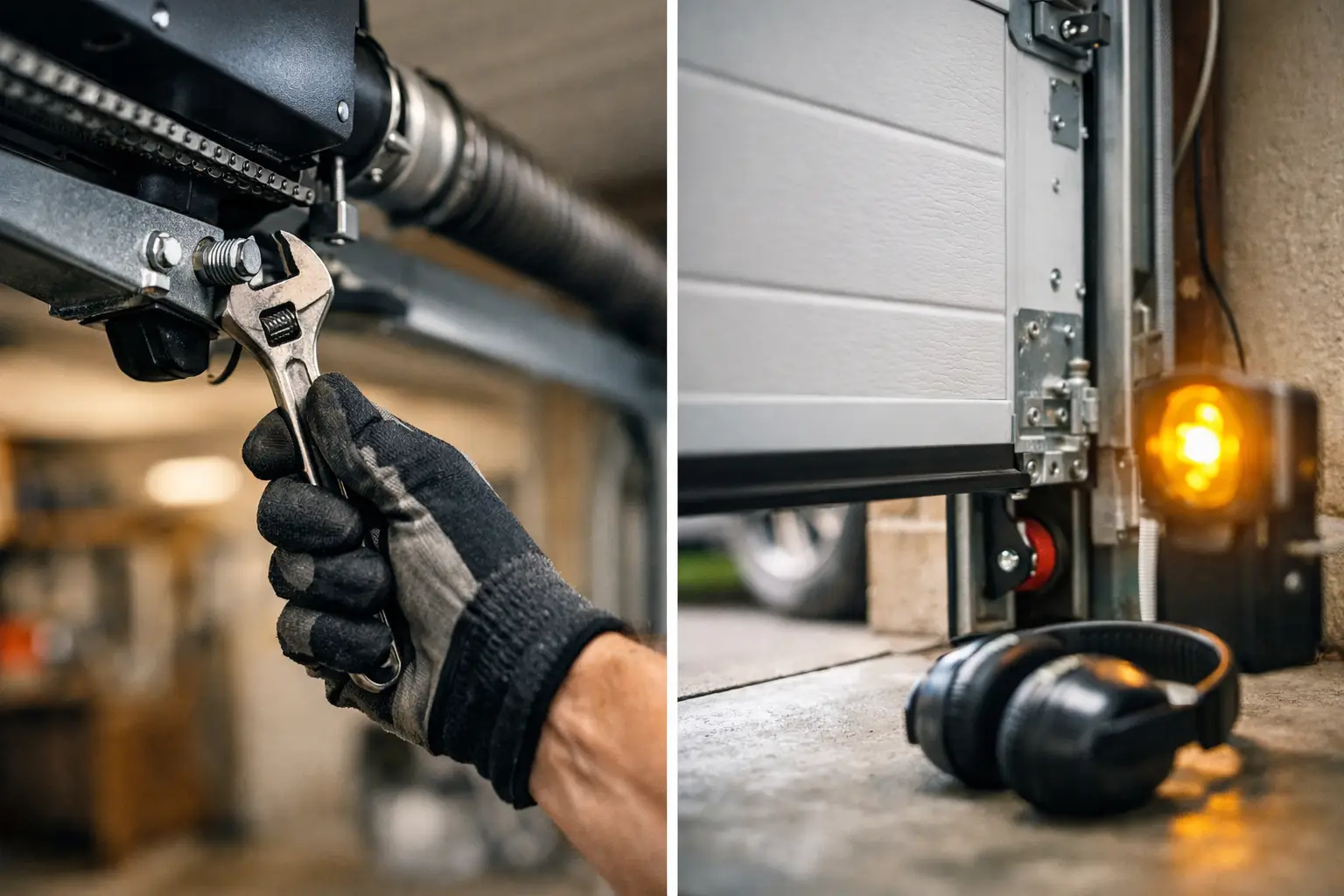
A garage door that suddenly starts grinding, squealing, or banging usually does not stay a small problem for long. If you are asking why is garage door noisy, the sound is often your first warning that a part is wearing out, out of alignment, or under too much strain.
Some noise is normal. Most garage doors are not silent, especially older steel doors or doors with chain-drive openers. But sharp changes in sound matter. A door that used to run with a steady hum and now rattles the whole garage is telling you something has changed. The key is figuring out whether it is a maintenance issue, a failing part, or a safety risk.
Why is garage door noisy all of a sudden?
When a garage door gets louder without much warning, the cause is usually mechanical wear, loose hardware, poor lubrication, or opener trouble. In some cases, weather plays a role too. Cold temperatures can stiffen lubricants, contract metal parts, and make rollers or hinges more vocal than usual.
That said, not every noise points to the same fix. A squeak is different from a pop. A grinding sound means something different than a vibrating rattle. The sound itself gives useful clues.
Squeaking and screeching
This is often the easiest issue to solve. Squeaks usually come from metal-on-metal friction at the hinges, rollers, bearings, or springs. If those moving parts have dried out, they can start making high-pitched sounds every time the door opens or closes.
Sometimes lubrication is all that is needed. Sometimes the sound keeps coming back because the rollers are worn or the hinges have started to loosen and shift. If the door is older and has metal rollers instead of nylon ones, some extra noise is expected, but persistent screeching still deserves attention.
Grinding noises
Grinding is more serious. It can point to worn rollers, damaged bearings, opener gear issues, or track problems. If the opener is straining while the door moves unevenly, you may hear a rough grinding or chattering sound.
This is not a sound to ignore. Grinding usually means parts are rubbing in a way they should not, and continued use can accelerate damage.
Rattling and vibrating
Garage doors move a lot of weight through repeated cycles, so bolts, brackets, hinges, and track supports can loosen over time. When that happens, the whole system may start rattling. You might hear it most when the opener starts or stops, or when the door passes a certain point along the track.
Sometimes the issue is not the door panels themselves, but the opener mounting hardware. A motor unit that has loosened from the ceiling supports can make a surprising amount of noise.
Banging or popping
A loud bang can be a major warning sign, especially if it happens suddenly. In many cases, that sound comes from a spring breaking. Torsion springs store a lot of tension, so when one snaps, it can sound like something heavy hit the wall.
Popping can also happen when sections of the door are binding in the track or when hardware shifts under load. Either way, this type of noise should be treated as a safety concern until the system is checked.
The most common reasons a garage door gets noisy
The most common answer to why is garage door noisy is simple wear and tear. Garage doors have many moving parts, and even a well-built system needs maintenance over time.
Worn rollers
Rollers help the door travel smoothly along the track. When they wear down, crack, or lose their bearings, movement becomes rougher and louder. Steel rollers tend to be noisier than nylon, and older rollers often create a noticeable rattling or grinding sound.
If the noise seems to come from the sides of the door as it moves, rollers are a likely suspect.
Dry or aging hinges
Each time the door bends and straightens through its travel, the hinges flex. Dry hinges can squeak, chirp, or creak. Loose hinges can add vibration too. If ignored, that extra movement can affect door alignment.
Loose hardware
Garage door systems include many nuts, bolts, brackets, and fasteners. Over hundreds of cycles, vibration can loosen them. That is one reason a door may sound fine one month and much louder the next.
Loose hardware is one of the more common causes of rattling, and it is also one of the more common issues found during routine maintenance.
Bent or misaligned tracks
Tracks guide the door, but they need to stay properly aligned. If a track gets bumped, bends slightly, or shifts out of position, the rollers may not move cleanly. That can lead to scraping, binding, or a jerky path that creates extra noise.
Tracks should not be adjusted casually. Small changes can affect balance and safe operation.
Spring problems
Springs do the heavy lifting. When they begin to wear out, the opener has to work harder and the whole system can get louder. You might notice straining, uneven movement, or a heavier feel if you try to lift the door manually.
A broken spring is more than a noise issue. It can make the door unsafe to operate.
Opener issues
Sometimes the noise is not from the door at all. It comes from the opener. Chain-drive openers are naturally louder than belt-drive units, but excessive clanking, humming, or grinding can signal internal wear, loose mounting, or a motor problem.
If the door itself seems to move normally but the motor sounds rough, the opener deserves a closer look.
What you can check safely
There are a few things homeowners can look at without taking on unnecessary risk. Start by standing inside the garage and watching one full opening and closing cycle. Listen carefully to where the noise is loudest. Is it near the opener, the tracks, the springs, or one side of the door?
Look for obvious loose bolts on hinges and brackets, worn rollers, and any visible shaking in the track supports. If the moving parts look dry, using a garage-door-specific lubricant on hinges, rollers, and springs may help reduce squeaking. Avoid heavy grease, which can attract dirt and create more buildup.
You can also check the opener mount and the door balance in a limited way. With the opener disconnected, the door should lift smoothly and stay reasonably balanced when raised halfway. If it drops quickly, feels unusually heavy, or binds, stop there. That points to a spring or balance issue that should be handled by a trained technician.
When not to DIY the noise
Some garage door sounds are not worth experimenting with. Springs, cables, bottom brackets, and track realignment carry real risk. These parts are under tension or directly affect the safe movement of a heavy door.
If the noise is accompanied by crooked movement, a door that will not open fully, a snapped spring, frayed cables, or a loud bang, do not keep cycling the opener. That can make the damage worse and increase the chance of injury.
This is especially important for busy households and commercial properties where the garage door gets used multiple times a day. A small mechanical problem can become a same-day breakdown very quickly.
Why quick repairs usually cost less
Noise is often an early-stage symptom. A dry roller is cheaper to deal with than a worn track. A loose bracket is simpler than a bent panel caused by repeated strain. A struggling opener may survive if the root cause is fixed early, but not if it keeps forcing an unbalanced door open and closed.
That is why prompt service matters. For homeowners and businesses in the Seattle area, changing weather and daily use can speed up wear, especially on older systems. Catching the issue while it is still a noise problem can save you from a much bigger repair later.
How a professional diagnoses a noisy garage door
A proper inspection does more than identify the loudest part. It checks the full system – springs, rollers, tracks, hinges, cables, panels, and opener – because garage door noise often has more than one cause.
For example, replacing rollers may quiet the door, but if the track is slightly out of alignment or the spring tension is off, the sound may return. Honest service means fixing the cause, not just masking the symptom. That is the approach Summit Garage Doors takes when responding to noisy door calls: diagnose the full issue, explain what is urgent and what can wait, and recommend the most practical next step.
If your garage door has become noticeably louder, trust the change. Doors rarely get noisy for no reason. A little attention now can protect your opener, prevent a bigger breakdown, and keep the door operating safely when you need it most.

