
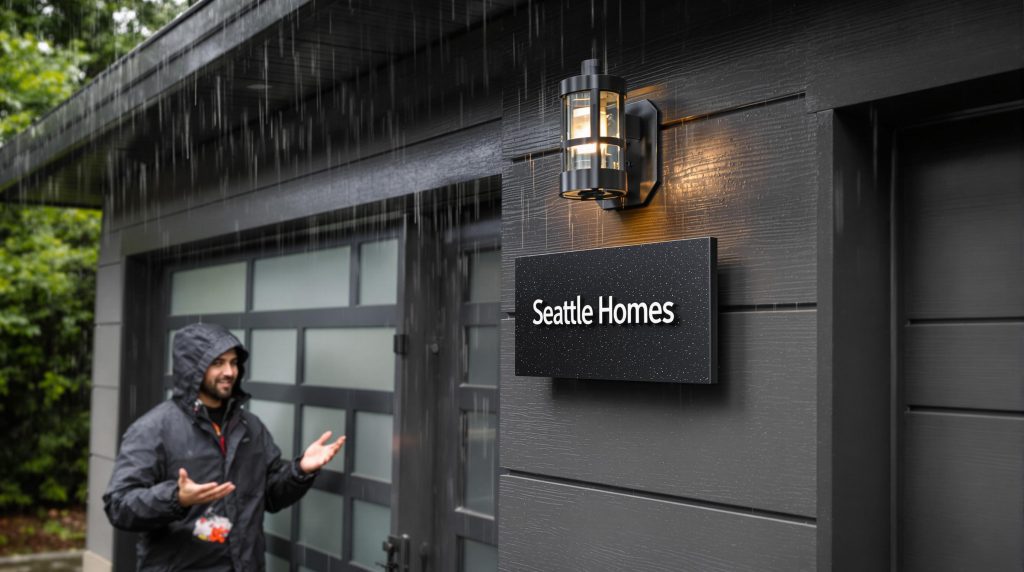
Seattle homeowners are facing a garage door dilemma as constant rain, temperature swings, and relentless moisture threaten to turn every new installation into a costly headache. Yet surprisingly, picking the priciest model is not a guaranteed fix. What really sets a garage door apart in Seattle is insulation power, with R-value ratings between R-12 and R-18 proven to slash energy loss and quiet outside noise by up to 20 decibels. The secret to a hassle-free, long-lasting garage door has less to do with looks and more with strategy—and the numbers reveal why.
Table of Contents
- Choosing The Right Garage Door For Seattle
- Step-By-Step Garage Door Installation Process
- Common Installation Mistakes And How To Avoid Them
- Seattle Area Garage Door Maintenance And Repair Tips
Quick Summary
| Takeaway | Explanation |
|---|---|
| Select Durable Materials | Choose garage doors made of moisture-resistant materials like steel with powder coating or composite options to withstand Seattle’s wet climate and minimize maintenance. |
| Prioritize Insulation | Opt for insulated garage doors with R-values between R-12 to R-18 to improve energy efficiency, regulate indoor temperatures, and reduce noise. |
| Ensure Professional Installation | Engage professional installers to avoid critical mistakes related to measurements, spring tensions, and safety mechanisms, which can compromise functionality and safety. |
| Adopt Seasonal Maintenance | Implement a seasonal maintenance routine, including inspecting weatherstripping and lubrication, to protect against moisture damage and extend the lifespan of your garage door. |
| Conduct Regular Safety Checks | Perform monthly safety checks on features like the auto-reverse mechanism and spring tension to ensure your garage door operates safely and effectively. |
Choosing the Right Garage Door for Seattle
Selecting the perfect garage door for your Seattle home involves more than just aesthetic considerations. The unique Pacific Northwest climate demands a strategic approach to materials, insulation, and design that can withstand moisture, temperature variations, and potential environmental challenges.
Climate-Adaptive Material Selection
Seattle’s wet and cool climate requires garage door materials that offer exceptional durability and moisture resistance. Steel doors with powder-coated finishes provide the best protection against corrosion and rust. According to Building Science Corporation, powder coating increases a door’s resistance to environmental degradation by up to 40% compared to standard paint finishes.
Composite materials emerge as an outstanding option for Seattle homeowners. These innovative doors combine the aesthetic warmth of wood with advanced synthetic technologies that resist warping, rotting, and moisture absorption. National Association of Home Builders recommends composite materials for regions with high humidity and frequent precipitation.
Wood doors remain a classic choice but require meticulous maintenance in Seattle’s environment. Homeowners choosing wooden garage doors must commit to regular sealing and treatment to prevent moisture damage. Professional maintenance from local experts can help extend the lifespan of these traditional options.
Insulation and Energy Efficiency Considerations
Proper insulation transforms a garage door from a simple entry point to an energy-management solution. In Seattle’s variable climate, an insulated garage door helps regulate indoor temperatures, reducing heat loss during chilly winters and minimizing heat gain during occasional warm summers.
Polyurethane foam insulation offers superior thermal performance compared to traditional polystyrene alternatives. This high-density material provides better R-value ratings, meaning more effective temperature control and potential energy savings. The typical R-value for garage doors in Seattle’s climate zone should range between R-12 to R-18, ensuring optimal thermal resistance.
Beyond temperature management, proper insulation also reduces external noise – a critical consideration in urban and suburban Seattle neighborhoods. Well-insulated doors can decrease street and neighborhood sounds by up to 20 decibels, creating a more peaceful home environment.

Weather-Resistant Design Features
Garage door hardware and sealing mechanisms play a crucial role in protecting your home from Seattle’s persistent moisture. Look for doors with robust bottom seals, weather stripping, and rust-resistant hardware. These features prevent water intrusion, protect against wind-driven rain, and maintain the door’s structural integrity.
Modern garage doors often incorporate advanced drainage systems and strategic design elements that channel water away from the door’s foundation. Rubber gaskets with multiple contact points ensure a tight seal, preventing water, leaves, and debris from entering your garage.
When selecting a garage door, consider not just immediate aesthetics but long-term performance. Investing in a high-quality, climate-appropriate door can save significant maintenance and replacement costs over time. Seattle homeowners should prioritize doors that balance visual appeal with technical resilience, ensuring year-round functionality in the region’s unique environmental conditions.
Here is a table comparing the main garage door material options for Seattle homeowners, highlighting their durability, maintenance needs, and climate resistance.
| Material | Durability | Maintenance Needs | Moisture/Climate Resistance |
|---|---|---|---|
| Steel (Powder-Coated) | High | Low | Excellent |
| Composite | High | Low | Excellent |
| Wood | Moderate | High | Fair (requires treatment) |
Step-by-Step Garage Door Installation Process
Garage door installation requires precision, technical knowledge, and careful planning. While DIY enthusiasts might feel tempted to tackle this project independently, professional expertise ensures safety, proper functionality, and long-term performance. Understanding the comprehensive installation process helps homeowners appreciate the complexity involved.
Preparation and Initial Assessment
Before beginning installation, thorough preparation is critical. Accurate measurements form the foundation of a successful garage door installation. According to This Old House, precise measurements should include width, height, side room, headroom, and backroom. These dimensions determine the appropriate door size and track system configuration.
Professional installers conduct a comprehensive site evaluation, checking existing structural elements, ensuring wall framing can support the new door’s weight, and identifying potential obstacles. They also assess electrical requirements for automated door openers and verify that the garage’s structural integrity meets installation standards.
The preparatory phase involves removing the existing door and hardware, cleaning the installation area, and confirming that all necessary tools and components are available. National Association of Home Builders recommends using high-quality tools and following manufacturer-specific guidelines during this critical initial stage.
Track and Hardware Installation
Installing tracks and hardware represents the most technically demanding phase of garage door installation. Precise alignment of vertical and horizontal tracks is essential for smooth, reliable door operation. Professionals use specialized levels and measuring tools to ensure perfect positioning and minimal friction.
Spring system installation requires exceptional care due to the high tension involved. Torsion and extension springs must be carefully calibrated to counterbalance the door’s weight, enabling effortless manual or automated opening and closing. Incorrect spring tension can lead to serious safety risks and potential equipment failure.
Mounting the door panels requires systematic approach. Each section must be carefully aligned, secured with appropriate fasteners, and connected to the track system. Garage Door Professionals Association emphasizes the importance of following manufacturer-specific installation protocols to maintain warranty coverage and ensure optimal performance.
Final Testing and Calibration
Once installation is complete, comprehensive testing becomes crucial. Professional installers conduct multiple operational cycles, checking the door’s balance, alignment, and safety mechanisms. This includes testing automatic reversal systems, which must comply with current safety regulations.
Technicians perform fine-tuned adjustments to springs, tracks, and opener settings. These calibrations ensure smooth, quiet operation and minimize wear on mechanical components. Consumer Product Safety Commission recommends professional installation to guarantee proper safety feature implementation.
Homeowners seeking a professional and reliable garage door installation near you should prioritize expertise and comprehensive service. While installation might seem straightforward, the nuanced technical requirements demand specialized skills and precision.
Remember that a correctly installed garage door not only enhances your home’s functionality but also contributes to its overall safety and aesthetic appeal. Investing in professional installation ensures peace of mind and long-term performance.
Below is a table summarizing the main steps involved in a professional garage door installation, providing an at-a-glance view of the process for homeowners.
| Step | Purpose/Description |
|---|---|
| Preparation & Initial Assessment | Measure space, inspect framing, prepare area, remove old door |
| Track & Hardware Installation | Align tracks, install spring system, mount panels |
| Final Testing & Calibration | Test operation, adjust springs/tracks, check safety features |
Common Installation Mistakes and How to Avoid Them
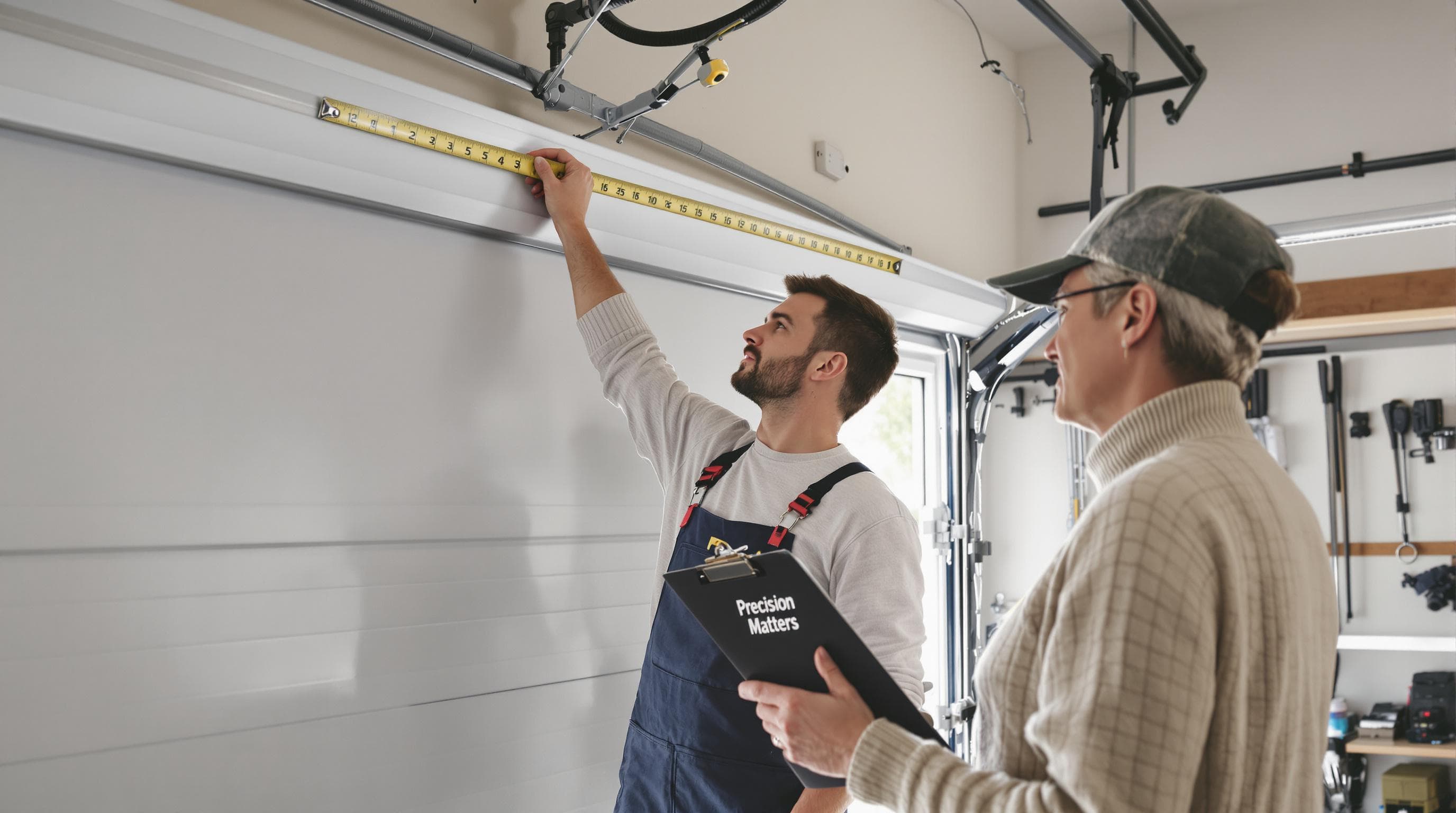
Garage door installation involves numerous technical complexities that can lead to significant problems if not handled correctly. Understanding common mistakes helps homeowners recognize the importance of professional expertise and meticulous attention to detail during the installation process.
Measurement and Preparation Errors
Inaccurate measurements represent one of the most critical errors in garage door installation. International Door Association emphasizes that even a quarter-inch discrepancy can compromise the entire installation, leading to misalignment, improper functioning, and potential safety hazards.
Common measurement mistakes include:
- Incorrect Width Calculation: Failing to account for side room and track requirements
- Headroom Miscalculation: Not measuring the available space above the door opening
- Depth Miscalculation: Overlooking the necessary backroom space for track and spring mechanisms
Professional installers use specialized measuring tools and follow precise protocols to ensure absolute accuracy. Homeowners attempting DIY installations often underestimate the complexity of these measurements, potentially resulting in costly modifications or complete reinstallation.
Technical Installation Complications
Spring system installation presents the most dangerous potential for error. Consumer Product Safety Commission warns that improper spring installation can lead to catastrophic failures. Torsion and extension springs operate under extreme tension, and incorrect installation can cause sudden and violent spring breakage.
Key technical mistakes include:
- Incorrect Spring Tension: Failing to precisely calibrate spring tension for the door’s weight
- Improper Track Alignment: Misaligning vertical and horizontal tracks
- Inadequate Hardware Fastening: Using incorrect or insufficient mounting hardware
These technical challenges require specialized knowledge and professional-grade tools. Most homeowners lack the expertise to safely and accurately complete these critical installation steps.
Safety and Functional Compliance Issues
Modern garage doors involve complex safety mechanisms that must meet strict regulatory standards. National Fire Protection Association outlines specific requirements for door mechanisms, electrical connections, and safety features.
Critical compliance mistakes include:
- Automatic Reversal System Failures: Improper calibration of safety sensors
- Electrical Wiring Errors: Incorrect installation of electrical components
- Inadequate Safety Testing: Failing to conduct comprehensive operational tests
Professional garage door installation services ensure complete compliance with local building codes and safety regulations. These experts understand the nuanced requirements specific to Seattle’s building standards.
While the temptation to save money through DIY installation exists, the potential risks far outweigh any perceived cost savings. Garage door installation demands precision, technical expertise, and a comprehensive understanding of safety protocols. Homeowners should prioritize professional installation to guarantee optimal performance, safety, and long-term reliability of their garage door system.
Remember that a seemingly simple installation mistake can lead to significant safety risks, expensive repairs, and potential property damage. Investing in professional expertise provides peace of mind and ensures your garage door functions safely and efficiently.
Seattle Area Garage Door Maintenance and Repair Tips
Maintaining a garage door in Seattle’s unique climate requires strategic care and proactive maintenance. The region’s moisture-rich environment and temperature fluctuations create specific challenges that demand regular attention and specialized maintenance techniques.
Seasonal Maintenance Strategies
Seattle’s variable weather conditions necessitate a comprehensive seasonal maintenance approach. Property Inspector LLC recommends a systematic maintenance routine that addresses the specific challenges posed by the Pacific Northwest climate.
In the wet winter months, focus on preventing moisture-related damage. This includes:
- Weatherstripping Inspection: Carefully examine and replace worn weatherstripping to prevent water intrusion
- Seal Maintenance: Check and repair door seals to protect against rain and humidity
- Rust Prevention: Apply protective coatings to metal components to prevent corrosion
Summer maintenance involves different priorities. The occasional heat and dry periods require lubrication and careful inspection of moving parts. Silicone-based lubricants work best for preventing friction and maintaining smooth operation in varying temperature conditions.
Safety and Functional Checks
Regular safety inspections are crucial for garage door functionality. Consumer Product Safety Commission emphasizes the importance of monthly safety feature tests. Critical safety checks include:
- Auto-Reverse Mechanism: Test the automatic reversal system by placing a solid object in the door’s path
- Sensor Alignment: Ensure photo-eye sensors are correctly positioned and functioning
- Spring Tension Evaluation: Check for signs of wear or potential spring failure
Professional garage door spring replacement services can provide comprehensive safety inspections and address potential issues before they become critical problems.
Advanced Maintenance Techniques
Beyond basic maintenance, Seattle homeowners should develop a proactive approach to garage door care. According to National Association of Home Builders, advanced maintenance techniques can significantly extend the lifespan of your garage door system.
Key advanced maintenance practices include:
- Comprehensive Lubrication: Use specialized lubricants on rollers, hinges, and tracks
- Hardware Tightening: Regularly check and tighten all mounting hardware
- Balance and Alignment Testing: Perform periodic balance checks to ensure smooth operation
Pay special attention to unique challenges presented by Seattle’s environment. The combination of moisture, occasional temperature extremes, and urban debris requires a more nuanced approach to garage door maintenance.
Homeowners should create a maintenance calendar that accounts for seasonal changes. Consider professional inspections at least twice a year, particularly before the wet winter and after the relatively dry summer months. This proactive approach helps identify potential issues early, preventing costly repairs and ensuring the longevity of your garage door system.
Remember that consistent maintenance is an investment in your home’s functionality and safety. While some tasks can be performed by homeowners, complex issues always warrant professional expertise. The unique environmental conditions of the Seattle area demand a specialized approach to garage door care.
Frequently Asked Questions
What is the best garage door material for Seattle’s climate?
Steel doors with powder coating or composite materials are ideal for Seattle’s wet climate as they offer excellent durability and moisture resistance.
How important is insulation for a garage door in Seattle?
Insulation is crucial in Seattle to regulate indoor temperatures and reduce energy loss. Look for garage doors with R-values between R-12 and R-18 for optimal performance.
How should I maintain my garage door in Seattle?
Seasonal maintenance is essential. Regularly check and replace weatherstripping, lubricate moving parts, and perform safety inspections to prevent moisture damage and ensure functionality.
Why should I hire a professional for garage door installation?
Professional installation ensures accuracy and safety, preventing common mistakes related to measurements and spring tensions that can lead to malfunction or safety hazards.
Ready for a Weatherproof Garage Door Built for Seattle?
If constant moisture, fluctuating temperatures, and road noise have left you feeling frustrated about your garage door’s performance, you are not alone. The article highlighted how many Seattle homeowners struggle to find doors that actually withstand local conditions and deliver real energy savings. That is exactly where Summit Garage Doors makes a difference. Our technicians are experts when it comes to selecting insulated doors with high R-values and installing sturdy materials that combat rain, rust, and unwanted noise. Let us help you avoid the hassle of measurement errors and the stress of faulty hardware you read about above.

Act now for smarter installation and a garage door matched precisely to your needs. Get started with a custom garage door installation in Seattle or talk to our local experts about the right maintenance strategies. Visit Summit Garage Doors today and experience fast, reliable solutions that protect your home and energy bill for years to come.

