
Seattle’s constant rain and chilly weather can make even the sturdiest garage doors groan and stick. Most people expect a garage door to last for years without a hitch. Yet, over 30,000 garage door injuries are reported every year in the US, and many start with small issues left unchecked. That means knowing a few simple DIY troubleshooting steps can protect both your wallet and your safety more than most homeowners ever realize.
Table of Contents
- Identifying Common Garage Door Issues
- Essential Tools And Safety Tips For Repairs
- Step-By-Step DIY Fixes For Seattle Homes
- When To Call A Professional In King County
Quick Summary
| Takeaway | Explanation |
|---|---|
| Identify Mechanical Issues Early | Homeowners should observe for strange noises and uneven movement, which are indicators of underlying mechanical problems. |
| Safety Protocols Are Crucial | Always disconnect power before repairs, avoid adjusting tension springs, and wear protective gear to ensure safe maintenance. |
| Know When to Seek Professional Help | For high-risk scenarios, such as broken tension springs or complex electrical failures, professional intervention is recommended to mitigate risks and ensure safety. |
| Use Proper Tools for Repairs | An essential toolkit should include precision tools, safety equipment, and specialized tools to effectively address garage door repairs. |
| Understand Environmental Impacts | Seattle’s unique climate can lead to rust and warping; regular inspection and maintenance can help mitigate weather-related damages. |
Identifying Common Garage Door Issues
Garage doors are complex mechanical systems that can develop multiple issues over time. Understanding these problems early helps homeowners prevent costly repairs and maintain smooth door operation. Seattle homeowners face unique challenges due to the region’s variable weather conditions and frequent moisture exposure.
Mechanical Performance Indicators
Recognizing the early warning signs of garage door problems requires careful observation of its mechanical performance. Strange noises during operation often signal underlying issues. A properly functioning garage door should move smoothly and quietly. Grinding, scraping, or excessive squeaking indicates potential problems with rollers, tracks, or internal mechanisms.
Some critical mechanical performance indicators include:
- Uneven Movement: When your garage door moves unevenly or jerks during opening and closing
- Slow Response: Significant delay between remote activation and door movement
- Partial Opening/Closing: Door stops midway or refuses to complete its full range of motion
Electrical and Sensor Complications
Modern garage doors rely heavily on electrical components and safety sensors. According to Consumer Reports, electrical issues are among the most common garage door malfunctions. Sensor misalignment can prevent doors from closing properly, creating potential safety risks.
Common electrical problems include:
- Remote Control Failures: Intermittent or complete loss of remote functionality
- Sensor Misalignment: Safety sensors preventing door closure
- Motor Unit Malfunctions: Unusual humming or complete motor failure
Environmental Wear and Weather Impact
Seattle’s unique climate presents specific challenges for garage door maintenance. Constant moisture and temperature fluctuations can accelerate mechanical wear. National Weather Service data suggests that repeated exposure to humidity and temperature variations can cause metal components to expand, contract, and potentially warp.
Environmental factors affecting garage door performance include:
- Rust Development: Moisture exposure leading to metal component degradation
- Seal Deterioration: Weather stripping breaking down due to constant humidity
- Wood Warping: Wooden door components absorbing moisture and losing structural integrity
For comprehensive insights into addressing these issues, check out our expert repair guide for King County homeowners.
By understanding these common garage door issues, Seattle homeowners can proactively manage maintenance, prevent unexpected breakdowns, and extend their garage door’s operational lifespan. Regular inspection and timely intervention remain key to maintaining optimal garage door performance.
Essential Tools and Safety Tips for Repairs
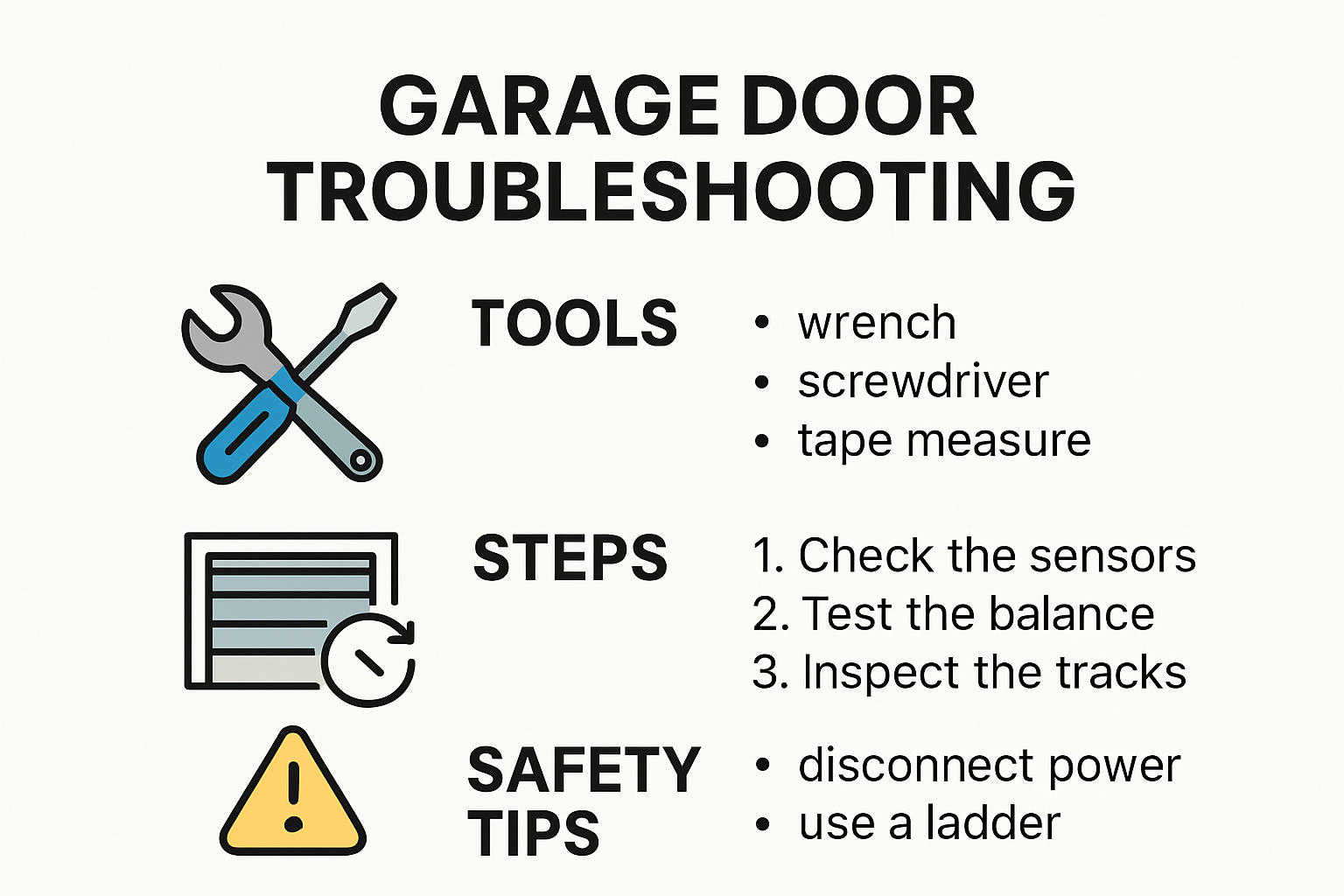
DIY garage door troubleshooting requires careful preparation and a systematic approach to ensure both effective repairs and personal safety. Seattle homeowners tackling garage door maintenance must understand the critical balance between technical skill and safety precautions.
Comprehensive Toolkit for Garage Door Repairs
Building a professional grade toolkit is the foundation of successful garage door maintenance. According to Contractors Association Guidelines, essential tools for garage door repairs include precision instruments and safety equipment.
Your repair toolkit should contain:
- Precision Tools: Socket wrench set, adjustable wrench, screwdrivers (flathead and Phillips)
- Measurement Instruments: Digital caliper, tape measure, spirit level
- Safety Equipment: Work gloves, safety glasses, sturdy closed toe shoes
- Additional Specialized Tools: Locking pliers, rubber mallet, torque wrench
Safety Protocols for Garage Door Maintenance
Safety cannot be overstated when performing garage door repairs. Occupational Safety and Health Administration (OSHA) emphasizes the importance of understanding mechanical systems and potential risks before initiating any repair work.
Critical safety protocols include:
- Power Disconnection: Always disconnect electrical power to the garage door opener before starting repairs
- Spring Tension Management: Never attempt to adjust or replace tension springs without professional training
- Weight Awareness: Understand the significant weight and potential sudden movement of garage door components
- Personal Protective Equipment: Wear appropriate protective gear including safety glasses and work gloves
Understanding Mechanical Limitations
Recognizing the complexity of garage door mechanisms is crucial for amateur technicians. Not every repair is suitable for DIY approaches. National Association of Home Builders recommends homeowners honestly assess their technical skills and be prepared to contact professionals for complex repairs.
Signs you should contact a professional include:
- Structural Damage: Significant frame or panel deterioration
- Spring Failures: Broken or severely damaged tension springs
- Motor Complications: Complex electrical or mechanical motor issues
- Track Misalignment: Severe track bending or structural track problems
Learn more about our expert repair services for King County homeowners.
While DIY repairs can save money and provide personal satisfaction, safety and understanding of mechanical systems remain paramount. Homeowners should approach garage door maintenance with respect for the complexity of these mechanical systems and a clear understanding of their personal skill limitations.
To help Seattle homeowners quickly identify which repairs can be done DIY and which require a professional, here is a comparison table summarizing scenarios and recommended actions.
| Issue Type | Example/Description | DIY Safe? | Professional Needed? |
|---|---|---|---|
| Mechanical (Minor) | Roller lubrication, hinge tightening | Yes | No |
| Track Alignment (Minor) | Small misalignment, easy bracket adjustments | Yes (with caution) | No |
| Spring Failure | Broken tension/extension spring | No | Yes |
| Severe Track/Frame Damage | Major bending, door off track, frame damage | No | Yes |
| Electrical (Simple) | Battery replacement, plug check | Yes | No |
| Electrical (Complex) | Motor unit malfunctions, wiring issues | No | Yes |
| Sensor Realignment | Aligning safety sensors | Yes | No |
Step-by-Step DIY Fixes for Seattle Homes
Garage door maintenance requires a systematic approach that combines technical knowledge with practical skills. Seattle homeowners can address many common issues through careful, methodical troubleshooting while understanding when professional intervention becomes necessary.
Diagnosing and Resolving Track Alignment Issues
Misaligned tracks are a frequent problem that can significantly impact garage door performance. According to Popular Mechanics, proper track alignment is crucial for smooth door operation.
Step-by-step track alignment process:
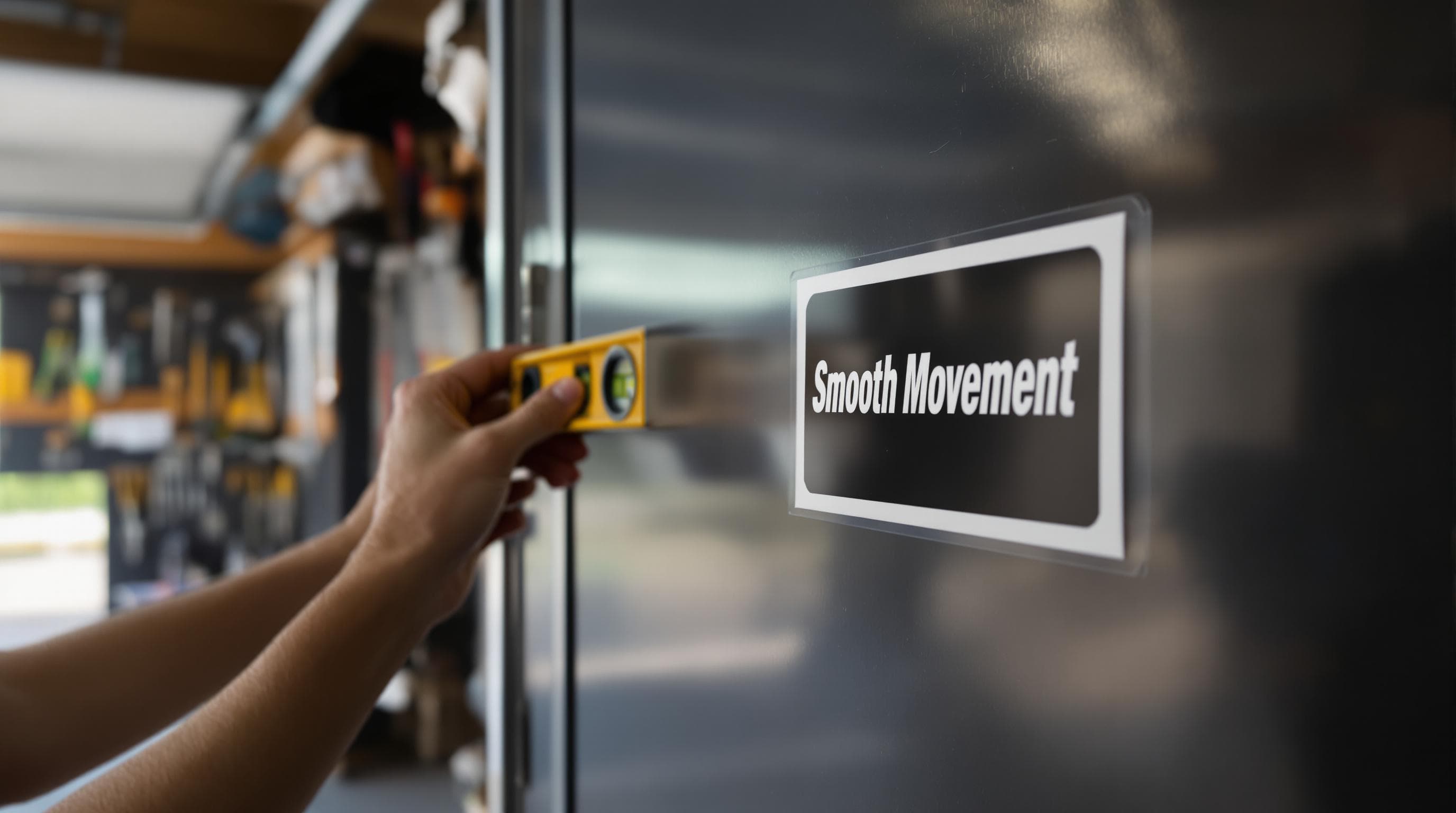
- Inspect Track Positioning: Use a level to check vertical and horizontal track alignment
- Loosen Mounting Brackets: Carefully remove bolts holding track mounting brackets
- Realign Tracks: Gently adjust tracks to ensure they are perfectly parallel
- Tighten Mounting Hardware: Securely reattach brackets, ensuring consistent tension
Below is a process table that outlines the step-by-step procedure for resolving track alignment issues based on the steps described above.
| Step | Action | Purpose |
|---|---|---|
| 1 | Inspect track positioning with a level | Identify misalignment (vertical/horizontal) |
| 2 | Loosen mounting brackets | Allow tracks to move for adjustment |
| 3 | Realign tracks to be parallel | Ensure smooth and safe door travel |
| 4 | Tighten mounting hardware | Secure tracks in corrected position |
Addressing Roller and Hinge Maintenance
Worn rollers and hinges can cause significant operational problems for garage doors. Family Handyman recommends regular inspection and maintenance to prevent more serious mechanical failures.
Key maintenance steps include:
- Roller Inspection: Check for visible wear, cracks, or uneven rolling
- Lubrication Process: Apply silicone-based lubricant to rollers and hinges
- Replacement Criteria: Replace rollers showing significant wear or damage
- Tighten Connecting Hardware: Check and tighten all hinge and roller mounting bolts
Electrical System and Opener Troubleshooting
Electrical components represent a critical aspect of modern garage door systems. Homeowners can perform basic troubleshooting while recognizing the limits of DIY repairs.
Electrical system diagnostic steps:
- Battery Replacement: Check and replace remote control batteries
- Power Source Verification: Ensure opener is properly plugged in and receiving power
- Sensor Alignment: Verify safety sensors are clean and correctly aligned
- Circuit Breaker Check: Reset garage door opener circuit if experiencing electrical issues
Explore our comprehensive guide to garage door repairs in King County for additional insights.
While these DIY fixes can resolve many common garage door problems, Seattle homeowners should remain cautious. Complex issues involving springs, major electrical problems, or structural damage require professional expertise. Understanding your skill limitations and knowing when to seek professional help is crucial to maintaining your garage door’s safety and functionality.
When to Call a Professional in King County
Garage door repairs require a nuanced understanding of when DIY approaches become risky and professional intervention becomes essential. King County homeowners must recognize the critical difference between manageable maintenance tasks and complex mechanical challenges that demand expert attention.
High-Risk Repair Scenarios
U.S. Consumer Product Safety Commission highlights that over 30,000 garage door related injuries occur annually, underscoring the importance of professional intervention in high-risk scenarios. Certain repair situations pose significant safety risks that exceed typical homeowner expertise.
Critical scenarios requiring professional intervention include:
- Broken Tension Springs: Extremely dangerous due to high stored mechanical energy
- Structural Frame Damage: Compromised door structural integrity
- Complex Electrical Failures: Intricate electrical system malfunctions
- Severe Track Deformation: Irreparable track misalignment or damage
Specialized Technical Requirements
Modern garage door systems incorporate sophisticated technological components that demand specialized knowledge. National Association of Home Builders emphasizes that technological complexity increasingly requires professional diagnostic and repair skills.
Technical considerations for professional intervention:
- Advanced Sensor Calibration: Precise electronic sensor alignment
- Motor Control System Diagnostics: Complex electrical system troubleshooting
- Computerized Opener Programming: Advanced remote and smart home integration
- Precision Mechanical Adjustments: Exact tension and alignment specifications
Safety and Warranty Preservation
The King County Sheriff’s Office recommends professional assessment to ensure comprehensive security and mechanical integrity. Improper repairs can void manufacturer warranties and compromise home security systems.
Warranty and safety preservation factors include:
- Manufacturer Warranty Protection: Maintaining valid equipment warranties
- Insurance Compliance: Ensuring repair work meets insurance requirements
- Security System Integration: Professional maintenance of interconnected home security features
- Comprehensive Risk Mitigation: Professional assessment of potential mechanical vulnerabilities
Explore our expert garage door repair services for King County.
While DIY maintenance offers cost-saving opportunities, recognizing professional intervention’s value is crucial. King County homeowners should prioritize safety, technical complexity, and long-term system reliability when deciding between personal repairs and professional services. Understanding these nuanced considerations ensures optimal garage door performance and household safety.
Frequently Asked Questions
What are common garage door issues that Seattle homeowners face?
Seattle homeowners often experience problems such as uneven movement, slow response times, and electrical malfunctions due to the region’s variable weather conditions and frequent moisture exposure.
How can I troubleshoot my garage door?
Start by inspecting mechanical performance indicators like strange noises or uneven movement. Check the alignment of tracks and ensure safety sensors are functioning correctly. For minor issues, DIY repairs can be performed; however, complex issues should be handled by professionals.
When should I call a professional for garage door repairs?
You should call a professional for high-risk scenarios such as broken tension springs, severe track or frame damage, and complex electrical system failures, as these can pose safety risks and require specialized knowledge.
What tools are essential for DIY garage door repairs?
An essential toolkit for garage door repairs includes precision tools (socket wrenches, screwdrivers), measurement instruments (tape measure, spirit level), safety equipment (work gloves, safety glasses), and specialized tools (locking pliers, rubber mallet).
Fix Garage Door Headaches for Good with Summit Garage Doors
DIY troubleshooting can save time and money, but small problems like noisy tracks, stuck rollers, or sensor malfunctions often grow into major headaches for Seattle homeowners. The damp Seattle climate adds extra stress to your garage door systems, making routine fixes turn into frustrating cycles of repair. Protect your peace of mind and get back to enjoying a smooth, quiet garage door that works year-round. Our team at Summit Garage Doors knows exactly how the local climate impacts your door and can quickly pinpoint the issue, from tricky electrical faults to persistent mechanical trouble.

Don’t let stubborn garage door issues slow you down. If you are ready for true reliability and safety, schedule an expert inspection or repair today by visiting our Summit Garage Doors homepage. Need more details on our services? Explore our full garage door installation and repair solutions. Get connected with technicians who put your safety and satisfaction first. Experience the difference a professional touch can make. Act now to avoid bigger problems later.

