
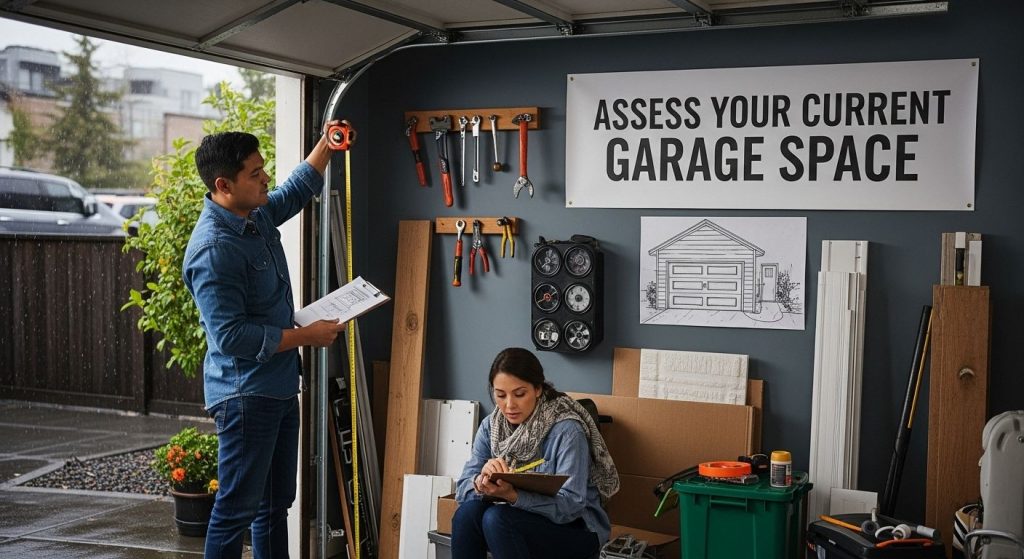
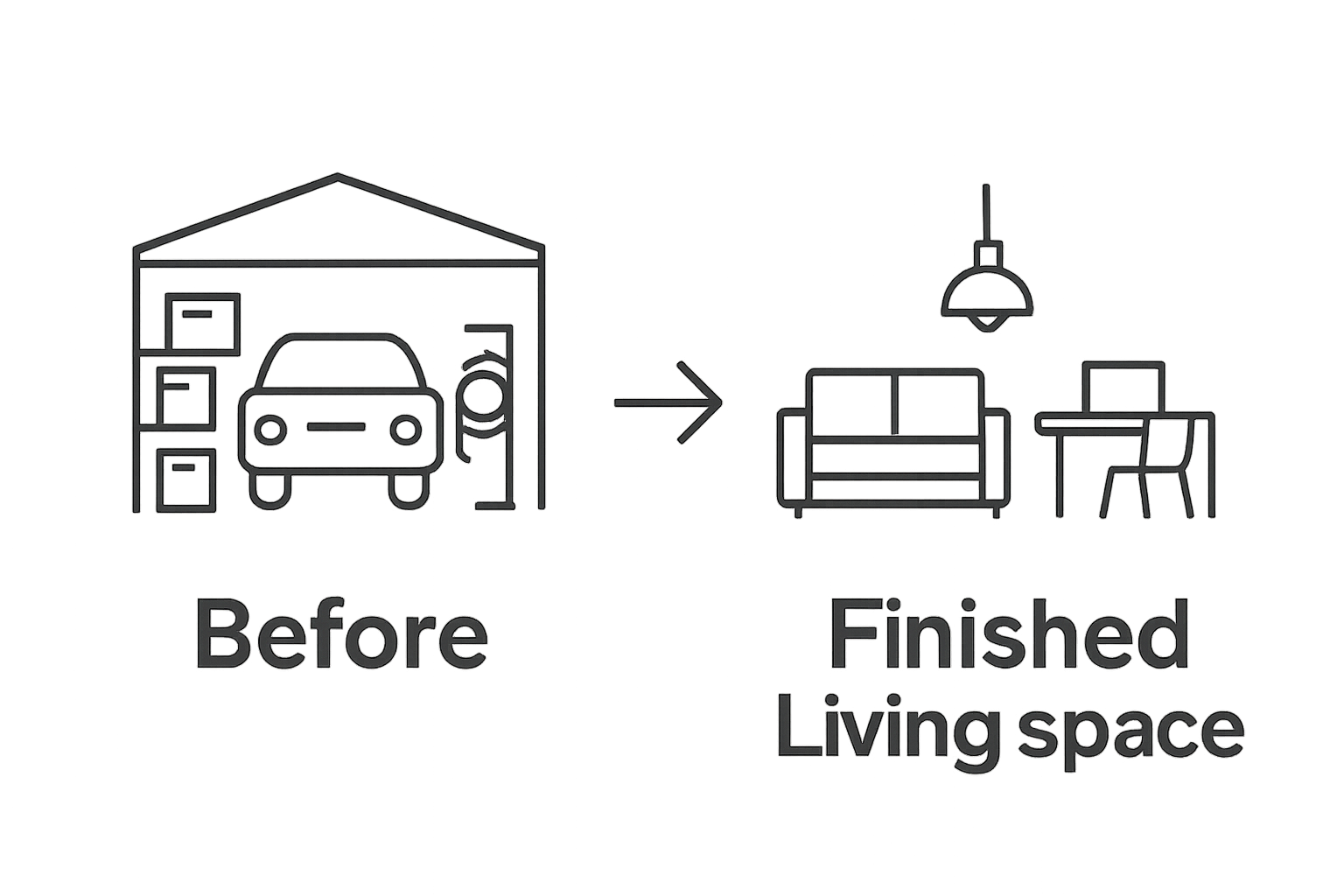
Turning a basic Seattle garage into a bright extra living space seems like a major upgrade. Yet more than 65 percent of homeowners miss critical details in their first project assessment and face expensive surprises later. Most people think the hard part is construction but for Seattle homes the biggest challenge comes long before picking out paint colors. It all starts with what you measure and discover in those first hours inside your garage.
Table of Contents
- Step 1: Assess Your Current Garage Space And Needs
- Step 2: Research Local Building Codes And Permits
- Step 3: Design Your New Space For Maximum Functionality
- Step 4: Hire Contractors And Purchase Necessary Materials
- Step 5: Execute The Conversion Process Efficiently
- Step 6: Verify Completion And Enjoy Your New Space
Quick Summary
| Key Point | Explanation |
|---|---|
| 1. Assess Your Garage Space | Measure dimensions, inspect structural condition, and note potential modifications. This foundational step influences your entire conversion process. |
| 2. Research Local Building Codes | Consult Seattle’s Department of Construction for permits and zoning requirements. Compliance is essential for a legal and valuable conversion. |
| 3. Design for Functionality | Create a layout prioritizing utility and flow. Innovative storage solutions and flexibility in design enhance small spaces considerably. |
| 4. Hire Experienced Contractors | Select licensed professionals with relevant experience in Seattle. Their expertise is critical for adhering to local codes and executing your vision. |
| 5. Verify Final Completion Thoroughly | Conduct inspections and ensure compliance with building codes and permits. A comprehensive review safeguards your investment and enhances property value. |
Step 1: Assess Your Current Garage Space and Needs
Converting your garage into a functional living space begins with a comprehensive assessment of your current space. This critical first step determines the feasibility, potential, and ultimate success of your garage conversion project in Seattle. Homeowners must approach this evaluation methodically, considering multiple factors that will influence the transformation.
Start by carefully measuring your garage’s dimensions, noting the precise square footage, ceiling height, and overall structural layout. In Seattle, where homes often have unique architectural characteristics, understanding your specific garage’s configuration is crucial. Take detailed measurements of length, width, and height, and create a rough sketch or digital blueprint that captures these dimensions accurately. Pay special attention to existing structural elements like support beams, electrical panels, and potential load-bearing walls that might impact your conversion plans.
Critical Considerations for Assessment
Evaluate the current condition of your garage, looking beyond its basic measurements. Inspect the foundation, walls, and roof for any signs of moisture damage, structural weaknesses, or potential insulation issues. Seattle’s damp climate can create unique challenges for garage conversions, so identifying potential moisture problems early is essential. Look for water stains, mold indicators, or uneven flooring that might require professional intervention before your conversion can proceed.
Consider your intended use for the converted space. Are you planning a home office, additional bedroom, workout area, or workshop? Each potential purpose requires different spatial configurations and design considerations. For instance, a home office might need more electrical outlets and natural lighting, while a workout space could demand robust flooring and potential ventilation modifications.
Learn more about preparing your garage for transformation
Documenting your findings is crucial. Create a comprehensive report that includes:
- Exact interior dimensions
- Current structural condition
- Potential modification requirements
- Estimated budget for necessary repairs
- Intended space usage
This initial assessment provides the foundation for a successful garage conversion, ensuring you have a clear understanding of your project’s scope, challenges, and potential before investing significant time and resources into the transformation.
Step 2: Research Local Building Codes and Permits
Navigating the complex landscape of Seattle’s building regulations is a critical step in your garage conversion journey. Understanding local building codes and permits isn’t just a bureaucratic requirement it’s a fundamental protection for your investment and future living space. Before hammering a single nail, you must thoroughly investigate the legal framework governing home modifications in your specific neighborhood.
Begin by contacting the Seattle Department of Construction and Inspections directly. This municipal agency is your primary resource for comprehensive information about garage conversion requirements. Schedule an initial consultation to discuss your specific project, as regulations can vary significantly depending on your property’s location, existing structure, and intended use. During this consultation, request a detailed checklist of required permits and documentation specific to garage conversions in residential zones.
Explore our detailed guide to local permit requirements
Carefully examine zoning restrictions that might impact your conversion plans. Seattle’s building codes are nuanced and can include limitations on square footage, height restrictions, setback requirements, and potential parking considerations. Some neighborhoods have additional historical preservation guidelines or environmental restrictions that could affect your project. Pay special attention to:
- Minimum and maximum square footage allowances
- Structural modification limitations
- Parking space preservation requirements
- Potential neighborhood association regulations
Documenting every detail of your research is crucial. Create a comprehensive folder containing all gathered information, including copies of relevant building codes, permit applications, and correspondence with city officials. This meticulous approach will streamline your approval process and demonstrate your commitment to following local regulations.
Remember that permit acquisition is not just a legal formality. Proper permitting ensures your converted garage meets safety standards, potentially increases your property value, and prevents future complications during insurance claims or property sales. Allocate sufficient time and budget for this research phase, understanding that thorough preparation can save significant time and money in the long run.
Step 3: Design Your New Space for Maximum Functionality
Transforming your garage into a purposeful living space requires strategic design that balances aesthetics, practicality, and personal needs. Your design phase is more than just selecting paint colors and furniture it’s about creating a cohesive environment that maximizes every square inch of your converted space while maintaining structural integrity and comfort.
Begin by developing a comprehensive layout that reflects your intended use. Whether you’re envisioning a home office, additional bedroom, or multipurpose room, each design choice must prioritize functionality. Consider traffic flow, natural light placement, and potential storage solutions. Sketch multiple design iterations, experimenting with furniture placement and room configurations that optimize the available square footage. Pay special attention to existing structural elements like electrical panels, support beams, and potential load-bearing walls that might limit your design options.
Explore our expert design recommendations
Investigate innovative space-saving techniques that can dramatically enhance your converted garage’s usability. Built-in shelving, multipurpose furniture, and vertical storage solutions can transform limited square footage into a highly efficient living area. Modular furniture that serves multiple functions can be particularly effective in smaller spaces. Consider Murphy beds, fold-down desks, or expandable dining tables that provide flexibility without compromising comfort.
Ensure your design incorporates essential infrastructure modifications. This includes:
- Proper insulation for temperature control
- Adequate electrical outlets and lighting
- Potential plumbing considerations
- Soundproofing for noise reduction
- Ventilation and air circulation solutions
Consult with a professional designer or architect who understands Seattle’s unique residential design requirements. Their expertise can help you navigate potential challenges, such as maintaining the exterior aesthetic consistency with your existing home and ensuring the conversion meets local building codes. A professional can also provide insights into material selection, color schemes, and design elements that maximize both functionality and visual appeal.
Step 4: Hire Contractors and Purchase Necessary Materials
Selecting the right contractors and materials is a critical phase that can make or break your garage conversion project. In Seattle’s competitive home improvement market, finding skilled professionals who understand local building codes and can execute your vision requires careful research and strategic decision-making. Your goal is to assemble a team of experienced professionals who can transform your garage conversion plans from concept to reality.
Begin by developing a comprehensive contractor selection strategy. Request detailed recommendations from trusted sources, including friends, family, and local home improvement networks. Compile a list of potential contractors specializing in garage conversions, prioritizing those with extensive experience in Seattle’s unique residential renovation landscape. Schedule in-person consultations with at least three different contractors, ensuring they are licensed, bonded, and carry comprehensive insurance coverage specific to residential renovation work.
Discover our recommended contractor selection process
During contractor interviews, carefully evaluate their communication skills, portfolio of previous projects, and willingness to provide detailed project proposals. Request comprehensive written estimates that break down labor and material costs, projected timelines, and potential contingency plans. Pay close attention to their understanding of local building codes and their ability to navigate permit requirements efficiently.
Purchasing materials requires equal diligence. Create a detailed inventory of required supplies, considering both functional necessities and aesthetic preferences. Focus on high-quality, durable materials that offer long-term value and complement your specific design goals. Consider factors such as:
- Insulation quality and energy efficiency
- Durability of flooring materials
- Moisture resistance for Seattle’s climate
- Compatibility with existing home infrastructure
- Potential for future maintenance requirements
Remember that material selection goes beyond simple aesthetics. Invest time in researching products that provide optimal performance, energy efficiency, and longevity. Consult with your chosen contractors about recommended brands and materials that have proven successful in similar Seattle garage conversion projects.
Step 5: Execute the Conversion Process Efficiently
The execution phase of your garage conversion is where planning transforms into tangible results. This critical stage demands meticulous attention to detail, proactive communication, and a strategic approach to managing the complex transformation of your space. Successful execution requires both patience and precision, balancing the vision you’ve developed with the practical realities of construction.
Initiate the conversion by preparing the existing garage space thoroughly. This involves comprehensive clearing, protecting adjacent areas from construction dust and debris, and establishing a structured workflow that minimizes disruption to your daily life. Create a designated staging area for materials and tools, ensuring easy access while maintaining a safe and organized work environment. Coordinate closely with your contractors to establish clear daily communication protocols, including regular progress updates and immediate notification systems for any unexpected challenges or design modifications.
Learn more about professional garage conversion strategies
As construction progresses, maintain rigorous oversight of each developmental stage. Critical checkpoints include structural modifications, electrical and plumbing installations, insulation implementation, and finishing work. Document each phase with photographs and written notes, creating a comprehensive record of the transformation. This documentation serves multiple purposes tracking progress, maintaining a visual history of the project, and providing valuable reference materials for potential future renovations or property assessments.
Prepare for potential challenges by maintaining flexibility and a solution-oriented mindset. Unexpected issues are common in renovation projects, particularly when converting existing structures. Your preparedness and ability to adapt quickly can significantly impact the project’s overall success.
The following table summarizes key checkpoints to monitor during the garage conversion process, helping you stay organized and proactive about common challenges that may arise during execution.
| Checkpoint | What to Examine | Why It Matters |
|---|---|---|
| Structural Integrity Assessments | Evaluate modifications and support changes | Ensure safety and stability |
| Moisture and Insulation Effectiveness | Check for leaks, moisture, and proper seals | Prevent dampness and mold |
| Electrical and Plumbing Integrations | Inspect new installations for compliance | Avoid safety/code violations |
| Compliance With Design Specifications | Match actual build against original plans | Maintain intended outcomes |
| Alignment With Permit Requirements | Compare construction to permits and codes | Ensure legal compliance |
- Structural integrity assessments
- Moisture and insulation effectiveness
- Electrical and plumbing system integrations
- Compliance with original design specifications
- Alignment with permit requirements
Remember that efficiency isn’t just about speed it’s about thoughtful, deliberate progress that prioritizes quality and long-term functionality. Regular communication with your contractors, prompt decision-making, and a willingness to address challenges proactively will help ensure a smooth, successful garage conversion process.
Step 6: Verify Completion and Enjoy Your New Space
The final stage of your garage conversion journey is a comprehensive verification process that ensures your newly transformed space meets all design, functional, and regulatory requirements. This critical step goes beyond simple visual inspection, demanding a methodical approach to confirming the quality and compliance of your investment. Your goal is to transform initial plans into a fully realized, functional living area that seamlessly integrates with your home’s existing structure and meets your original vision.
Begin with a thorough professional inspection, inviting your primary contractor to conduct a comprehensive walkthrough. During this detailed review, systematically examine every aspect of the converted space, from structural integrity to finishing details. Look closely at electrical installations, ensuring all outlets, switches, and wiring meet current safety standards. Verify that insulation has been properly installed, checking for any potential gaps or areas that might compromise temperature regulation or energy efficiency.
Explore our post-conversion verification guide
Schedule a final municipal inspection to confirm that your garage conversion fully complies with Seattle’s building codes and permit requirements. This official verification is crucial not just for legal compliance, but for protecting your property’s value and ensuring future insurability. Carefully review all documentation, including:
- Final permit sign-offs
- Electrical and structural compliance certificates
- Energy efficiency ratings
- Completed modification documentation
- Warranty information for new installations
Take time to personally experience your new space, testing each element thoroughly.
The following checklist table outlines the essential verification steps to complete after your garage conversion, ensuring your new space is safe, legal, and fully functional before you settle in.
| Verification Step | What to Check | Who Should Verify |
|---|---|---|
| Structural Walkthrough | Inspect walls, floors, and ceiling for integrity | Contractor + Homeowner |
| Electrical & Insulation Review | Ensure outlets, switches, and insulation meet codes | Contractor |
| Final Municipal Inspection | Confirm permit sign-off and building code compliance | City Inspector |
| Documentation Collection | Gather permits, certificates, and warranties | Homeowner |
| Functional Testing | Confirm lighting, ventilation, and comfort | Homeowner |
Celebrate your successful garage conversion by creating a personalized touch that transforms the area from a mere renovation into a meaningful extension of your home. Whether it becomes a productive home office, a cozy guest room, or a vibrant hobby space, your careful planning and execution have dramatically expanded your living environment.
Ready to Unlock Your Garage’s Full Potential in Seattle?
Transforming your garage into valuable living space can feel overwhelming. From assessing your unique structure to meeting strict Seattle building codes, every step demands precision and expert guidance. Many homeowners struggle with moisture, insulation, and design obstacles that threaten the comfort and safety of their new living area. The article emphasized how critical it is to start with a solid foundation—both in planning and construction—to avoid costly mistakes during your garage conversion.
That’s where Summit Garage Doors comes in.
At Summit Garage Doors, we understand the specific challenges Seattle homeowners face. Whether you are upgrading the garage door to match your new space or need specialized repair and installation help, our team makes your transition seamless. Benefit from local expertise and lasting solutions that safeguard your investment and boost your property value. Visit Summit Garage Doors to connect with experts who prioritize your vision. Want to discover how our process merges design, compliance, and reliability? Check out our garage door installation services to see how we help you achieve maximum functionality and peace of mind. Start your Seattle garage conversion with confidence by booking your consultation now.
Frequently Asked Questions
What should I consider when assessing my garage for conversion?
When assessing your garage, consider dimensions, structural condition, intended use, and potential modifications needed. Look for moisture issues and create a report documenting your findings to guide the conversion process.
How can I ensure my garage conversion meets local building codes in Seattle?
To ensure compliance, research Seattle’s building regulations by consulting the Department of Construction and Inspections. Obtain a checklist of required permits and understand zoning restrictions that may affect your project.
What are some effective design tips for a functional garage conversion?
Focus on maximizing space efficiency with smart solutions like built-in shelving and multipurpose furniture. Also, prioritize natural light and flow, and ensure your design accommodates necessary infrastructure modifications such as insulation, electrical outlets, and ventilation.
What steps should I follow to hire contractors for my garage conversion?
Develop a contractor selection strategy by seeking recommendations, interviewing multiple candidates, and checking their experience with garage conversions. Evaluate their communication skills, review their portfolios, and assess their understanding of local building codes during consultations.

