
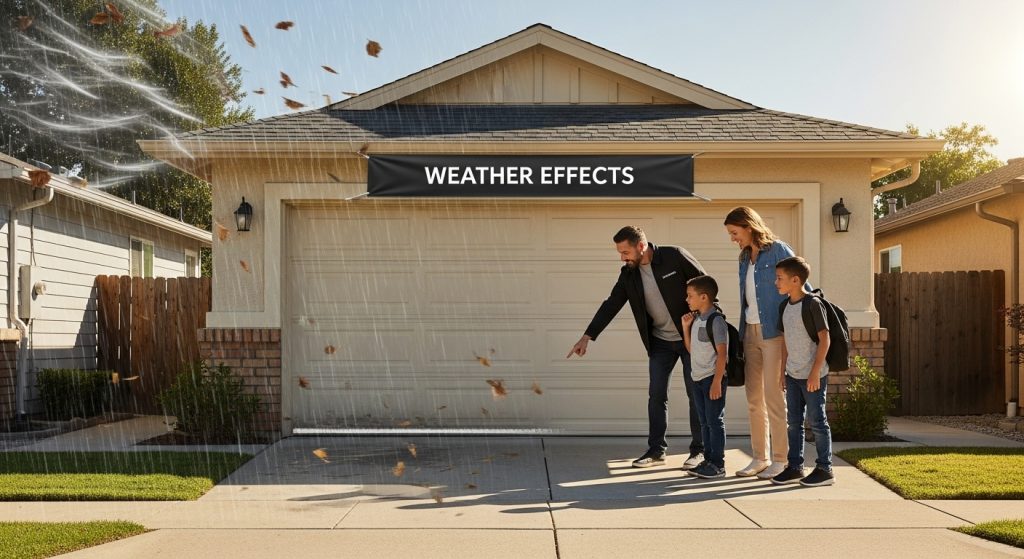
Temperature swings and shifting weather can mess with your garage door in ways most people never expect. Many are surprised by how even a mild cold snap can throw tracks out of line or cause remotes to stop working entirely. In fact, the U.S. Department of Energy reports that garage doors are a major source of air leakage and energy loss in homes. So while most worry about insulation in the attic or windows, your garage door might actually be the biggest weather problem in your house.
Table of Contents
- The Impact Of Temperature Changes On Garage Doors
- How Humidity And Moisture Affect Garage Door Materials
- The Role Of Weather Patterns In Garage Door Functionality
- Understanding Weather-Related Garage Door Issues
- Preventative Measures Against Weather Damage To Garage Doors
Quick Summary
| Takeaway | Explanation |
|---|---|
| Temperature changes affect door mechanics | Fluctuating temperatures cause metal to expand and contract, leading to alignment issues and increased friction. |
| Moisture damages garage door materials | High humidity can cause wood to swell and metal to corrode, compromising structural integrity and operational reliability. |
| Wind impacts garage door functionality | Strong winds create pressure that can deform doors, misalign tracks, and stress opening mechanisms, leading to potential failures. |
| Regular maintenance prevents damage | Scheduled inspections and proactive maintenance strategies can identify and mitigate potential issues before they become serious problems. |
| Select appropriate materials for durability | Choosing moisture-resistant, insulated, and weatherproofed materials enhances longevity and protects against environmental challenges. |
The Impact of Temperature Changes on Garage Doors
Temperature variations dramatically influence garage door performance, creating complex mechanical challenges that homeowners must understand. Metal components expand and contract with temperature shifts, potentially compromising the structural integrity and operational efficiency of garage doors.
Metal Component Thermal Dynamics
Garage doors are precision mechanical systems composed of multiple interconnected metal components. When temperatures fluctuate, these materials respond through thermal expansion and contraction. In extreme cold, metal tracks, springs, and hinges contract, potentially creating alignment issues and increased friction. Research from the Alaska Science Forum suggests that these temperature changes can cause unexpected mechanical behaviors, including unresponsive remote controls and unpredictable door movements.
Key temperature-related mechanical vulnerabilities include:
- Metal track misalignment during significant temperature drops
- Increased stress on spring mechanisms
- Potential seal degradation around door edges
Energy Efficiency and Insulation Considerations
Temperature changes not only affect mechanical performance but also impact overall garage energy efficiency. According to the U.S. Department of Energy, exterior doors like garage doors contribute significantly to air leakage and energy loss. Uninsulated or poorly sealed garage doors can create substantial thermal transfer, increasing heating and cooling costs.
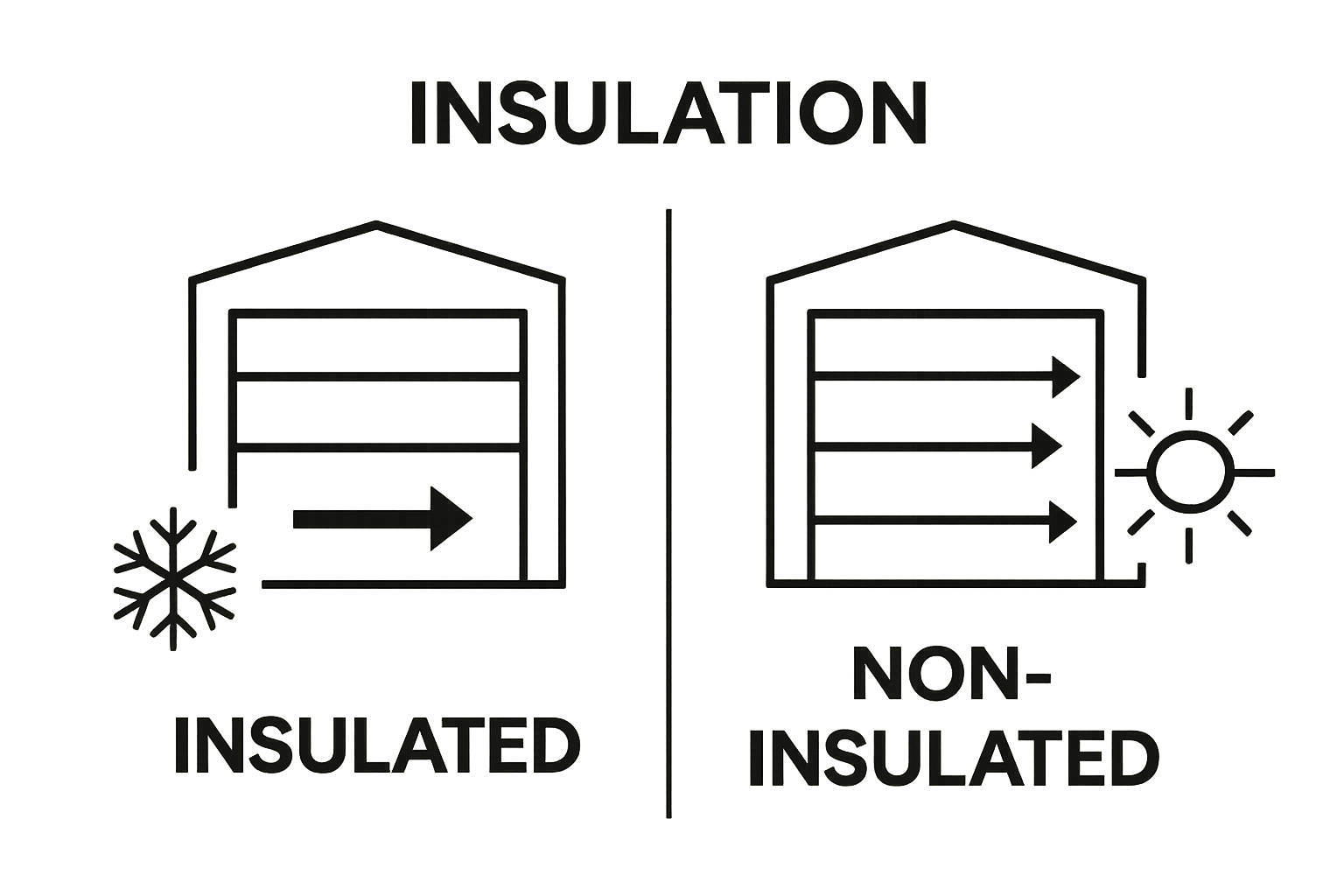
Homeowners can mitigate temperature-related garage door challenges by exploring professional installation and repair services that address thermal performance and mechanical resilience. Proper insulation, weatherstripping, and regular maintenance become critical strategies for protecting garage door functionality across temperature extremes.
Understanding these thermal dynamics helps homeowners anticipate potential issues and implement proactive maintenance strategies, ensuring their garage doors remain reliable and efficient regardless of environmental conditions.
How Humidity and Moisture Affect Garage Door Materials
Humidity and moisture represent critical environmental factors that significantly impact garage door materials, creating complex challenges for homeowners seeking long-term durability and performance. Different materials respond uniquely to moisture exposure, potentially compromising structural integrity and operational reliability.
Material Vulnerability to Moisture
Garage door materials exhibit varying levels of moisture sensitivity. Wooden doors are particularly susceptible to humidity-induced transformations, absorbing moisture which causes swelling, warping, and potential structural deformation. Metal components like steel and aluminum can experience corrosion and rust when exposed to consistent high humidity environments. Research from the National Center for Construction Education and Research emphasizes that excess moisture can lead to significant material degradation.
Critical moisture-related material vulnerabilities include:
- Wood panel expansion and potential cracking
- Metal component oxidation and rust formation
- Seal and weatherstripping deterioration
- Potential compromised door alignment
Moisture Protection and Maintenance Strategies
Proactive moisture management becomes essential in preserving garage door materials. Homeowners should implement comprehensive protection strategies that address potential humidity-related risks. Our expert Seattle garage door installation team recommends regular inspections, proper sealing, and strategic ventilation to mitigate moisture damage.
Key protective measures involve selecting moisture-resistant materials, applying protective coatings, maintaining consistent humidity levels, and ensuring proper garage ventilation. Periodic maintenance checks can identify early signs of moisture damage, preventing extensive structural compromises and expensive repairs.
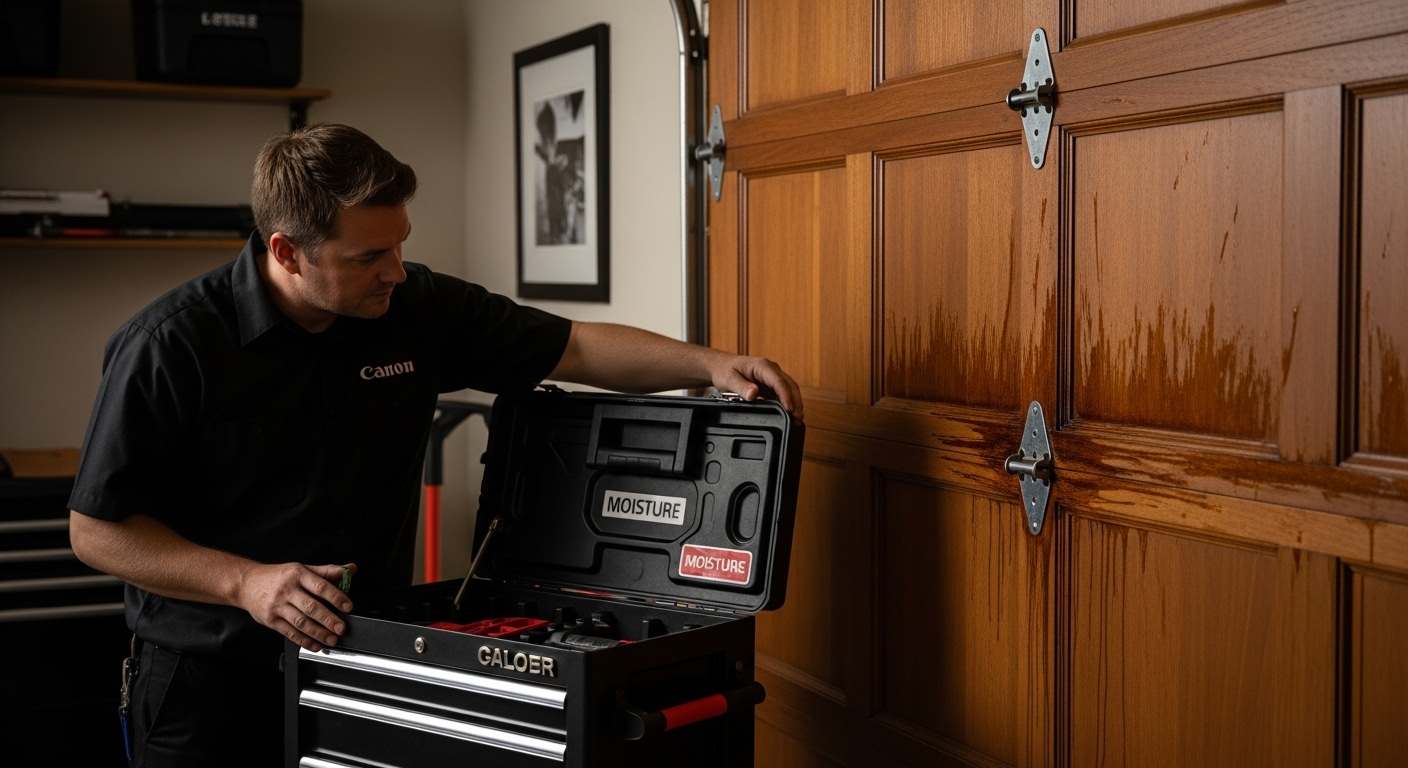
Understanding the intricate relationship between humidity, material composition, and garage door performance empowers homeowners to make informed decisions about protection, maintenance, and potential material selection for optimal long-term functionality.
To clearly illustrate how different garage door materials respond to humidity and moisture, the following table compares their vulnerabilities and protection strategies.
| Material Type | Vulnerabilities to Moisture | Recommended Protection Strategies |
|---|---|---|
| Wood | Swelling, warping, cracking, structural deformation | Sealing, regular inspection, controlled humidity |
| Steel | Corrosion, rust formation | Protective coatings, rust prevention, ventilation |
| Aluminum | Oxidation, minor corrosion | Anodizing, sealing, periodic maintenance |
| Composite Materials | Reduced warping, minor moisture sensitivity | Protective coatings, basic inspection |
| Vinyl | Minimal moisture vulnerability | Regular cleaning, periodic inspection |
The Role of Weather Patterns in Garage Door Functionality
Weather patterns significantly influence garage door performance, presenting complex challenges that extend beyond simple mechanical operations. Understanding how different atmospheric conditions interact with garage door systems helps homeowners anticipate potential issues and implement proactive maintenance strategies.
Wind Dynamics and Structural Integrity
Wind represents one of the most critical weather factors affecting garage door functionality. High wind velocities create substantial pressure differentials that can compromise door structural integrity and operational reliability. Research from the Insurance Institute for Business & Home Safety confirms that wind-rated garage doors play a crucial role in preventing cascading structural damage during severe weather events.
Key wind-related garage door vulnerabilities include:
- Potential door panel deformation
- Track and roller system misalignment
- Compromised weatherstripping and seals
- Increased mechanical stress on opening mechanisms
Precipitation and Environmental Impact
Rainfall, snow, and other precipitation forms introduce complex challenges for garage door systems. Moisture accumulation can accelerate material degradation, rust formation, and mechanical component wear. Homeowners must recognize that consistent exposure to precipitation requires strategic protective measures. Learn more about our expert garage door repair services to understand comprehensive weather protection strategies.
Additionally, regional weather patterns determine the specific protective requirements for garage doors. Areas experiencing frequent temperature fluctuations, high humidity, or extreme wind conditions demand more robust door materials and enhanced maintenance protocols. Selecting weather-appropriate garage door systems becomes a critical decision for long-term durability and performance.
Comprehensive understanding of weather pattern interactions enables homeowners to make informed decisions about garage door selection, maintenance, and potential reinforcement strategies, ensuring optimal functionality across diverse environmental conditions.
Understanding Weather-Related Garage Door Issues
Weather-related garage door issues represent complex mechanical challenges that can significantly impact home infrastructure and operational safety. Homeowners must recognize the multifaceted ways environmental conditions interact with garage door systems to prevent potential damage and maintain long-term functionality.
Structural Vulnerability Assessment
Garage doors serve as critical building envelope components, susceptible to various weather-induced stress factors. Research from the Building America Solution Center highlights that garage doors are typically large, unreinforced openings vulnerable to environmental pressures. These structural vulnerabilities can manifest through multiple mechanical and material stress points.
Primary weather-related structural vulnerabilities include:
- Compromised door panel integrity
- Weakened mounting hardware connections
- Degraded seal and weatherstripping performance
- Potential mechanical mechanism failures
Preventative Maintenance and Protective Strategies
Addressing weather-related garage door challenges requires a comprehensive approach to maintenance and protective interventions. Our expert garage door services in King County recommend systematic approaches to mitigating environmental impact through proactive maintenance protocols.
Key protective strategies involve understanding regional weather patterns, selecting appropriate materials, implementing regular inspection routines, and investing in high-quality weatherproofing technologies. Homeowners must recognize that different geographic locations present unique environmental challenges requiring tailored garage door protection strategies.
By developing a nuanced understanding of how weather interactions compromise garage door systems, homeowners can implement targeted maintenance approaches that preserve structural integrity, ensure operational reliability, and extend the overall lifespan of their garage door infrastructure.
Preventative Measures Against Weather Damage to Garage Doors
Weather damage prevention requires a strategic, comprehensive approach to garage door maintenance and protection. Homeowners must develop proactive strategies that address multiple environmental challenges to preserve their garage door’s structural integrity and operational reliability.
Material Selection and Protective Coatings
Selecting appropriate materials represents the first line of defense against weather-related deterioration. Garage door materials must demonstrate superior resilience to temperature fluctuations, moisture exposure, and mechanical stress. Research indicates that insulated and weatherproofed doors provide significant protection against environmental challenges.
Critical material protection strategies include:
- Utilizing corrosion-resistant metal alloys
- Applying professional-grade protective sealants
- Selecting moisture-resistant composite materials
- Implementing multi-layer protective coating systems
Systematic Maintenance and Inspection Protocols
Regular maintenance emerges as a crucial preventative strategy for mitigating weather-related garage door damage. Our award-winning commercial garage door installers in Seattle recommend comprehensive inspection protocols that identify potential vulnerabilities before they escalate into significant structural issues.
Key maintenance considerations encompass:
- Quarterly professional inspection schedules
- Comprehensive weatherstripping replacement
- Lubrication of mechanical components
- Thorough cleaning and debris removal
Proactive homeowners recognize that systematic maintenance represents a cost-effective approach to preventing expensive repairs and premature garage door replacement. By implementing targeted protection strategies, individuals can significantly extend their garage door’s operational lifespan and maintain optimal performance across diverse environmental conditions.
The following table organizes key preventative maintenance and inspection strategies for garage doors, grouping recommended actions with their purposes to help homeowners implement effective routine care.
| Maintenance Action | Purpose |
|---|---|
| Quarterly professional inspections | Identify early signs of damage and misalignment |
| Weatherstripping replacement | Maintain seals and improve energy efficiency |
| Mechanical component lubrication | Reduce friction and ensure smooth operation |
| Protective coating application | Prevent rust, corrosion, and material degradation |
| Cleaning and debris removal | Avoid track blockages and preserve appearance |
| Seal and hardware checks | Extend lifespan and maintain structural integrity |
Protect Your Garage Door From Seattle’s Ever-Changing Weather
Is your garage door suffering because of unpredictable Seattle weather? This article reveals how temperature changes, humidity, and strong winds silently wear down your garage door’s components and seals. These elements can lead to misalignment, rusting, and higher energy bills—putting both your comfort and your investment at risk. If you are concerned about the effects of weather patterns discussed in the article, you are not alone. Many homeowners in the Greater Seattle area experience similar issues and need expert help to keep their garage doors reliable and long-lasting.

Take action now to keep your garage door functioning its best despite the Pacific Northwest’s challenging conditions. Rely on Summit Garage Doors for professional repair solutions that address storm damage, moisture problems, and insulation concerns. Our team will customize protection and maintenance plans for your unique needs. Visit Summit Garage Doors today to book a consultation and keep your home secure and energy efficient all year round.
Frequently Asked Questions
How do temperature changes affect the performance of garage doors?
Temperature changes cause metal components in garage doors to expand and contract, which can lead to misalignment, increased friction, and operational inefficiencies.
What are the signs of moisture damage in a garage door?
Signs of moisture damage include warping or swelling of wooden doors, rust formation on metal components, and deteriorating seals and weatherstripping.
How can I prevent weather-related damage to my garage door?
Prevent weather-related damage by selecting appropriate materials, applying protective coatings, and implementing a regular maintenance routine that includes inspections and repairs.
What types of materials are best for garage doors in varying weather conditions?
Materials such as insulated steel, aluminum with protective coatings, and moisture-resistant composites provide excellent durability against temperature fluctuations, humidity, and mechanical stress.

