
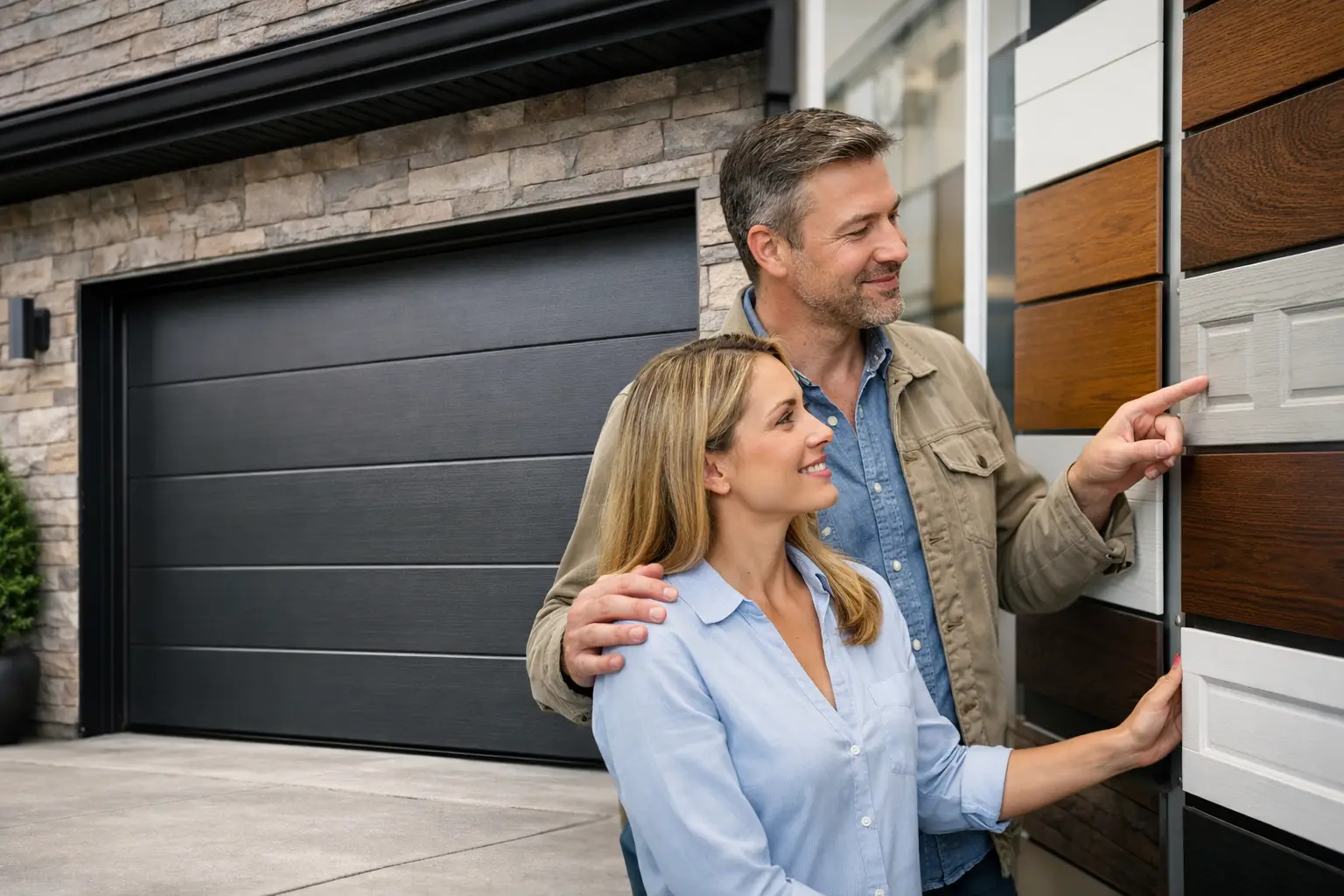
A garage door usually gets serious attention only when it stops working, looks worn out, or drags down the front of the house. That is why a solid residential garage door buyers guide matters – it helps you choose a door that looks right, works reliably, and fits your budget before you are forced into a rushed decision.
For most homeowners, this is not just a style purchase. Your garage door affects daily convenience, home security, energy efficiency, and curb appeal. It is also one of the largest moving parts in your home, so the wrong choice can lead to noise, maintenance issues, or premature repairs.
What a residential garage door buyers guide should help you answer
The best buying decisions usually come down to a few practical questions. Do you want the lowest upfront cost, or better long-term performance? Are you replacing a damaged door with something similar, or using this upgrade to change the look of your home? Do you need insulation because the garage is attached, used as a workspace, or sits below living space?
Those answers shape everything else. A homeowner with a detached garage may be perfectly happy with a non-insulated steel door. Someone with a bedroom above the garage will usually care much more about insulation, quiet operation, and a dependable opener. The right choice depends less on trends and more on how your home actually works.
Start with the right door style
Style is the first thing most people notice, and for good reason. A garage door covers a large part of the front elevation, so it can either support the architecture of your home or fight against it.
Traditional raised-panel doors are still common because they suit many home styles and tend to be cost-effective. Carriage-house designs offer more character and often work well on craftsman, farmhouse, or custom homes. Full-view glass doors create a modern look but may not be ideal if privacy, insulation, or budget are top concerns.
Window placement also matters. Windows can brighten the garage and improve appearance from the street, but they may reduce privacy and slightly affect thermal performance depending on the glass package. If your garage faces strong afternoon sun, the type and placement of glazing is worth thinking through instead of treating it as a purely decorative add-on.
Material choice affects more than appearance
Material is where many buyers either save money wisely or create headaches later. Steel is the most common choice because it offers a strong balance of durability, affordability, and design flexibility. It can be embossed with woodgrain textures, painted in many colours, and ordered in insulated or non-insulated models.
Wood has undeniable visual appeal, especially on higher-end homes, but it requires more upkeep. In a damp climate, maintenance is not optional. If you love the warmth of wood but want less upkeep, faux wood composite or steel doors with wood-look finishes can be a better fit.
Aluminum and glass doors appeal to homeowners aiming for a clean modern design. They are often lighter than wood, but they can show dents more easily and may not deliver the same insulation value unless upgraded. Fibreglass and composite options can also work well in certain settings, though availability and price vary by manufacturer.
There is no perfect material for every home. The best one balances weather exposure, maintenance tolerance, design goals, and budget.
Insulation matters more than many buyers expect
A lot of homeowners assume insulation only matters if they plan to heat the garage. In reality, it can affect comfort in nearby rooms, reduce outside noise, and help the door operate more quietly.
If your garage is attached to the house, insulation is usually worth serious consideration. That is especially true if there is a room above the garage, shared walls with living space, or frequent use as a gym, workshop, or storage area for temperature-sensitive items. A better-insulated door can also feel sturdier because higher-quality insulated models often have stronger construction.
Pay attention to the whole door system, not just a sales phrase about insulation. R-value is useful, but build quality, weather seals, panel thickness, and installation quality all affect performance. A poorly installed insulated door can still let in drafts, moisture, and noise.
Your opener should match the door
The opener is often treated like a separate decision, but it should be chosen alongside the door. A heavier insulated door, for example, may need a more capable opener than an older lightweight model.
Chain-drive openers are reliable and often cost less, but they are usually noisier. Belt-drive openers are a strong choice for attached garages because they run more quietly. Wall-mount jackshaft openers can save ceiling space and suit certain garage layouts, though they are not the right fit for every setup.
Smart features have become more useful, not just more flashy. Mobile control, activity alerts, scheduling, and integration with other home systems can add convenience and peace of mind. That said, smart features should not distract from the basics. Quiet operation, dependable safety sensors, battery backup, and proper lifting power matter more than app features if the system itself is not dependable.
A residential garage door buyers guide should include safety and hardware
The door panels get most of the attention, but hardware quality is what often separates a door that feels solid from one that becomes noisy and unreliable too soon. Tracks, rollers, hinges, springs, and reinforcement brackets all play a role in how the system performs over time.
This is especially important in households where the garage door is used as a main entry point. Frequent cycling puts real stress on springs and moving parts. Higher-cycle springs and better rollers may cost more upfront, but they can reduce service calls and extend the life of the system.
Safety features matter too. Modern garage doors should include photo-eye sensors, auto-reverse functions, and properly balanced spring systems. If you are replacing an old door, it is often worth updating the opener and safety components at the same time rather than mixing a new door with outdated equipment.
Understand pricing without focusing only on the lowest quote
Garage door pricing can vary widely, and that is where many homeowners get stuck. Two quotes may look similar at first glance but include very different products, hardware quality, insulation levels, warranty terms, or installation standards.
The lowest price is not always the best value. Sometimes it reflects thinner steel, lower-grade hardware, minimal weather sealing, or fewer finishing details. On the other hand, not every home needs the most premium model on the market. If the goal is a reliable, attractive replacement for a standard suburban home, a mid-range insulated steel door is often the sweet spot.
When reviewing estimates, ask what is included. Does the quote cover removal of the old door, new tracks, springs, weather seals, opener setup, and haul-away? Is colour standard or extra? Are windows included? Clear answers now can prevent frustration later.
Installation quality can make or break the result
Even a good door can perform poorly if it is installed badly. Improper spring sizing, track alignment issues, uneven sealing, and opener setup mistakes can shorten the life of the system and create safety risks.
That is why it helps to work with an experienced local company that handles both installation and service. In areas like Seattle and the surrounding communities, weather exposure and moisture make proper sealing and dependable hardware especially important. A door should not just look good on day one – it should open smoothly, seal correctly, and hold up through regular use.
A professional installer should also help you think through details you may not have considered, such as headroom requirements, side clearance, opener compatibility, and whether the existing frame or trim needs attention.
When to repair and when to replace
Not every garage door problem means you need a full replacement. If the issue is limited to springs, rollers, cables, sensors, or the opener, a repair may be the smarter move. But if the door is heavily dented, warped, poorly insulated, outdated, or repeatedly failing, replacement often makes more financial sense.
This is where honest guidance matters. A trustworthy technician should explain whether a repair will genuinely solve the problem or simply delay a bigger expense. Summit Garage Doors often sees homeowners spend money on repeated fixes when a replacement would have delivered better performance, quieter operation, and lower long-term cost.
Make the final choice based on daily use
A good garage door is not just one that photographs well. It should suit how you live. If your family uses the garage constantly, prioritize quiet operation and durable hardware. If energy efficiency matters, invest in insulation and sealing. If curb appeal is the main goal, choose a style that complements the home instead of chasing whatever is popular right now.
The best purchase usually sits in the middle of several priorities rather than maximizing only one. You want a door that looks right, operates safely, holds up over time, and does not leave you dealing with avoidable repair issues a year later.
If you are comparing options, take your time on the parts you will live with every day – the noise level, the appearance from the street, the way it seals, and the confidence that it will work when you need it to. That is what turns a garage door from a necessary expense into a smart upgrade.

