
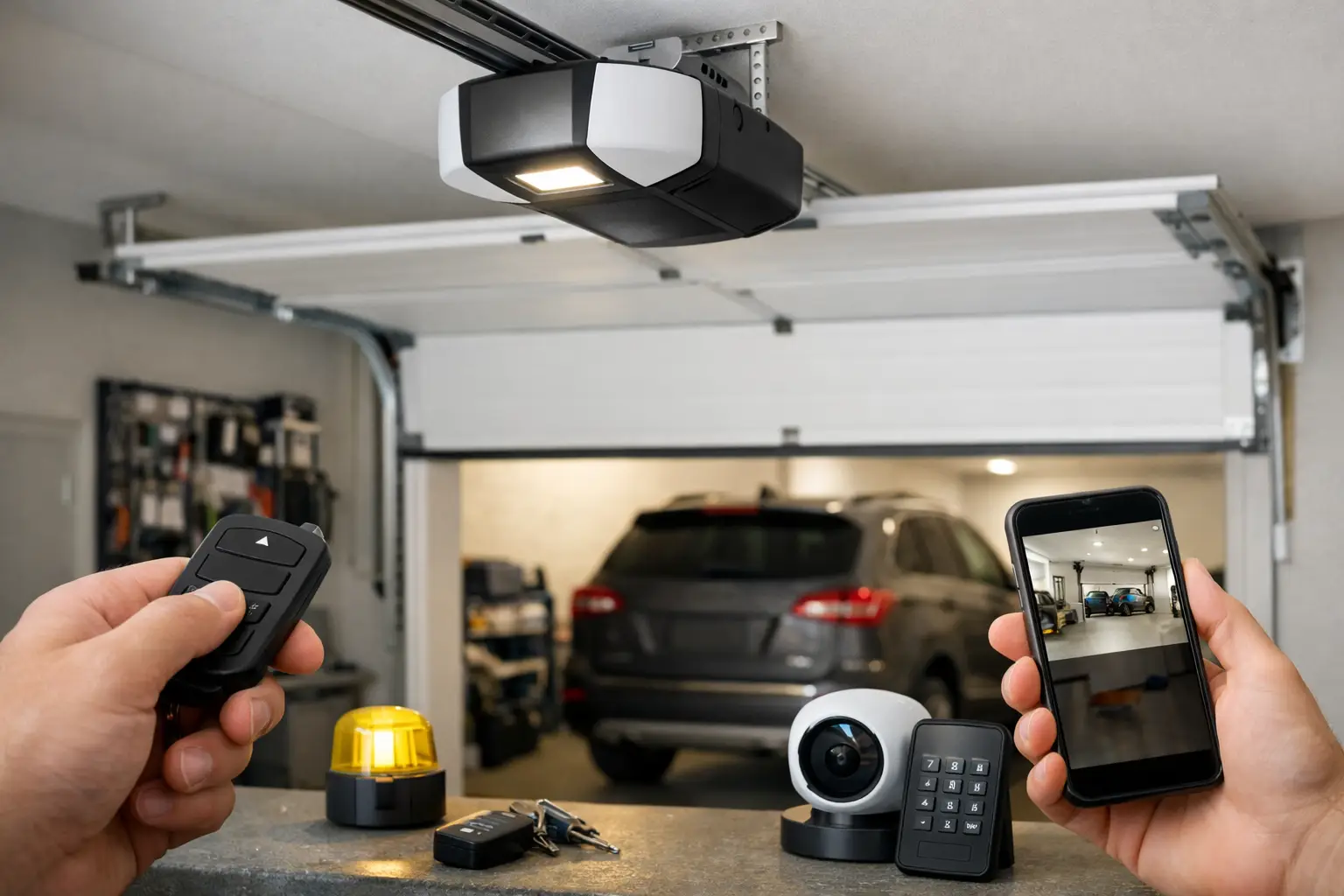
A garage door opener usually gets attention only when it starts grinding, hesitating, or refusing to close on a rainy morning. That is why knowing the best garage door opener features matters before you replace an old unit or upgrade to something smarter. The right opener does more than lift a door – it improves safety, reduces noise, adds convenience, and helps your garage work better every day.
For most homeowners, the best choice is not the opener with the longest feature list. It is the one that fits the size of the door, the layout of the garage, and the way the space is used. A family with bedrooms above the garage will care more about quiet operation. A homeowner who gets frequent deliveries may care more about app control and access history. If security is the main concern, built-in protection features should move to the top of the list.
What the best garage door opener features should actually do
A good opener should make the door dependable first. Convenience matters, but smooth and safe performance matters more. If a unit struggles with the weight of the door or lacks modern safety functions, extra features will not make up for that.
That is why it helps to think in layers. Start with lifting power and reliability. Then look at safety and security. After that, consider convenience features such as smart controls, battery backup, and lighting. This approach keeps you from paying for options you will never use while still getting real value from the upgrade.
Quiet operation is worth more than many homeowners expect
Noise is one of the first complaints people have about older openers. If the garage sits under a bedroom or beside a main living area, that noise becomes a daily irritation. Belt-drive openers are often the better fit when quiet performance is a priority because they run with less vibration than chain-drive systems.
That does not mean chain-drive units are a poor choice. They are often durable and budget-friendly, which makes them attractive for detached garages or households that do not mind a bit more sound. But if your current opener rattles the whole room above it, quiet operation should not be treated like a luxury feature. It is a practical upgrade.
Soft start and soft stop make a difference
Many newer units include soft start and soft stop functions. Instead of jerking the door into motion, the motor ramps up and slows down more gently. That helps reduce wear on parts and cuts down on shaking and noise. It can also make the entire system feel better built, even when the difference seems small on paper.
Smart control is one of the best garage door opener features for busy households
Smartphone control has gone from nice extra to standard expectation. Being able to check whether the garage door is open, close it remotely, or get an alert when it moves is useful in real life, not just in ads. If you have ever left home and wondered whether the garage door was still open, you already understand the value.
The best smart systems are simple to use and dependable. They should let you open or close the door from an app, send activity notifications, and allow secure access sharing when needed. That can help if a family member arrives home without a remote or if you need to let in a service provider while you are away.
Still, smart features are only worthwhile when the connection is stable and the setup is secure. In some homes, Wi-Fi coverage in the garage is weak, which can make remote functions unreliable. Before choosing a smart opener, it is worth checking signal strength in that area.
Battery backup matters during outages
Power outages are not always long, but they are always inconvenient when your vehicle is stuck inside. A battery backup allows the opener to keep working for a limited number of cycles when the electricity is out. For many households, this is one of the most practical features available.
It is especially helpful if the garage is your main entry point. Without battery backup, you may end up disengaging the opener manually in poor weather or low light. That is not just frustrating – it can be a safety issue for some homeowners.
Security features should be non-negotiable
Garage security often gets overlooked, even though the garage may give direct access to the home. Modern openers can include rolling code technology, which changes the access code each time the remote is used. That helps prevent code copying and reduces the risk of unauthorized entry.
A vacation lock or wall-control lock feature adds another layer by disabling remote operation when you are away for extended periods. Some systems also send alerts when the door opens unexpectedly or stays open too long. These are useful protections, especially for homeowners who travel often or keep valuable tools and equipment in the garage.
Motion detection and integrated lighting add visibility
Built-in lighting is easy to underestimate until you come home after dark with full hands. Openers with strong LED lighting improve visibility and can make the garage safer to walk through. Motion detection is even better because the lights turn on automatically when someone enters the space.
This is one of those features that blends safety and convenience. It helps with everyday use and can also deter unwanted activity by making the area less hidden.
Safety sensors are essential, not optional
Every modern garage door opener should have photo-eye safety sensors that stop or reverse the door if something crosses the beam. This is a basic requirement, but it is still worth paying attention to during replacement or troubleshooting because misaligned or failing sensors are a common cause of door problems.
Some openers also offer automatic closing with a timer, which can be helpful for households that regularly forget to shut the door. That said, this feature is not ideal for everyone. If there is frequent foot traffic through the garage or children moving in and out, the settings need to be used carefully and tested properly.
The right motor power depends on the door
More power is not always better, but too little power is definitely a problem. A standard single garage door usually does not need the same lifting force as a large insulated double door or a heavy custom wood door. Choosing an opener with the right horsepower helps the system run more smoothly and avoid strain.
This is one area where honest guidance matters. A homeowner replacing an opener may assume the old power rating was correct, but if the door has been changed over time, the opener may no longer be the right match. The best setup is a balanced door paired with an opener designed to handle its size and weight without working too hard.
Remote access options should fit real use
Remotes, wireless keypads, and in-car controls are still important, even with smart apps. A backlit keypad is useful for households with multiple users because it gives secure access without everyone needing a remote. This can also be helpful for kids arriving home from school or for temporary guest access.
If you rely heavily on keypad entry, weather resistance and easy programming matter. A keypad that fails in cold or wet conditions becomes a nuisance fast. The same goes for low-quality remotes with short range or unreliable signal response.
Maintenance alerts can prevent bigger issues
Some newer openers monitor usage and let you know when maintenance may be needed. That might sound minor, but it can help catch problems before they turn into a broken spring, worn gear, or opener strain. Alerts do not replace professional inspection, but they can give homeowners a useful heads-up.
This feature is most valuable when paired with an opener that is already properly installed and adjusted. If the tracks are misaligned or the door is unbalanced, no app alert will solve the root problem. The opener should support a healthy door system, not compensate for a failing one.
Which features are worth paying extra for?
If the budget is tight, focus on quiet performance if the garage is attached, modern safety sensors, rolling code security, and battery backup. Those features tend to deliver the most day-to-day value. Smart control is also a strong upgrade for many homes, especially if package deliveries, family access, or travel make remote monitoring useful.
If the garage is detached and used mainly for storage or parking, you may not need every premium option. In that case, dependable lifting power and basic security may be more important than app integrations or advanced lighting. The right choice depends on how the space functions in your routine.
For homeowners planning a replacement, it also helps to think beyond the opener itself. A noisy opener is not always the main problem. Worn rollers, loose hardware, poor track alignment, or an unbalanced door can all affect performance. That is why a professional assessment often saves time and money compared with replacing parts based on guesswork.
At Summit Garage Doors, we see this often with customers upgrading older systems. They come in looking for smart features, but what they really need is a better-matched opener and a door system tuned to work safely and quietly together.
The best opener features are the ones you notice by not having to think about them. The door opens when it should, closes safely, stays secure, and does not wake the house every time someone leaves early.

