
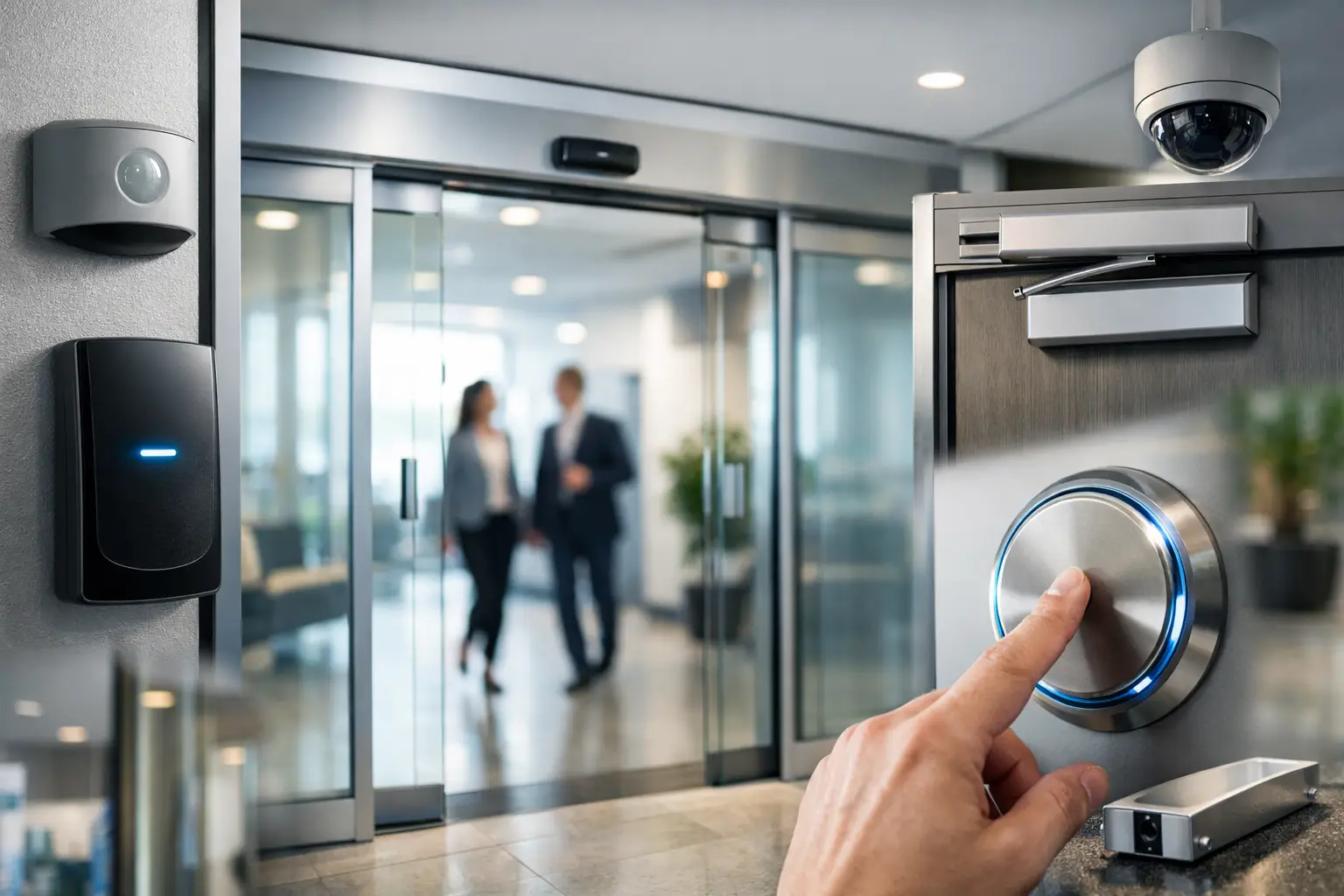
A stuck overhead door at a warehouse is more than an inconvenience. It can slow deliveries, create safety risks, and leave a building exposed after hours. That is why commercial door automation trends are getting more attention from business owners, facility managers, and property teams who need doors to work reliably every day.
Automation is no longer limited to a basic motor and remote. Commercial systems are becoming smarter, safer, and easier to manage across offices, retail spaces, parks, loading bays, and industrial sites. The right upgrade can reduce downtime, improve access control, and help teams respond faster when something goes wrong. The key is knowing which trends are actually useful and which ones are just added features that do not fit your building.
Why commercial door automation trends are changing now
A few factors are driving the shift. Businesses want tighter security without slowing down staff or deliveries. They also want better visibility into how doors are performing so small issues can be fixed before they turn into emergency repairs.
At the same time, newer operators, sensors, and control systems are more compatible with broader building technology. That means a commercial door is no longer treated as a standalone piece of hardware. It is becoming part of a larger access, safety, and maintenance plan.
In places with wet weather and heavy daily use, reliability matters even more. A good automated setup has to handle repeated cycles, changing temperatures, and the wear that comes from real commercial traffic. Fancy features do not mean much if the system is not built for the workload.
1. Smarter access control is replacing basic openers
One of the biggest changes is the move away from simple remotes and keypad-only access. More commercial properties now want controlled entry tied to staff credentials, scheduled permissions, and real-time management.
For example, a facility manager may want one group to access a service entrance only during business hours while another team can enter after hours. With smarter automation, those permissions can often be adjusted without replacing hardware every time staffing changes.
This trend makes sense for multi-tenant buildings, warehouses, auto shops, and secured storage areas. It also helps reduce problems caused by lost remotes or shared entry codes. The trade-off is that these systems need proper setup and occasional updates. If the controls are too complicated for the people using them, convenience can disappear fast.
2. Safety sensors and monitored closing systems are becoming standard
Commercial door automation is putting much more emphasis on safety than it did a few years ago. That includes improved photo eyes, motion detection, edge sensors, and monitored entrapment protection designed to stop or reverse a closing door when something is in the way.
This matters in busy commercial environments where foot traffic, forklifts, vehicles, and deliveries all move through the same openings. A door that closes too aggressively or fails to detect an obstruction is a serious liability issue, not just a maintenance concern.
For many businesses, this is less about following a trend and more about meeting current expectations for safe operation. If a door system is older, it may still function, but it may not offer the level of protection that newer setups provide. In those cases, an upgrade can be worth it even before a full replacement is needed.
3. Mobile control is growing, but it needs guardrails
Business owners like the idea of opening, closing, or checking door status from a phone. In the right setup, mobile control can be genuinely useful. It allows managers to confirm whether a door was left open, grant access remotely, or respond faster when a team member is locked out.
This is especially practical for businesses with multiple locations or owners who are not always on site. It can also help during off-hours service calls when someone needs to secure a property quickly.
Still, mobile control is not automatically the best fit for every building. It depends on network reliability, user permissions, and how the property handles security. If too many people have app access or if there is no clear process for who controls the system, convenience can turn into confusion. The strongest setups keep control simple and limit access to the right people.
4. Predictive maintenance is replacing wait-until-it-breaks thinking
One of the more practical commercial door automation trends is the shift toward performance monitoring. Some newer systems can track cycle counts, identify irregular operation, or alert users when parts are starting to wear down.
That matters because many commercial door failures do not happen out of nowhere. Springs weaken, rollers wear, tracks move out of alignment, and operators start straining before the door finally stops working. If a system can flag that early, a business may be able to schedule service before operations are disrupted.
This does not mean every property needs a high-tech monitoring platform. For some businesses, a regular maintenance plan with a reliable service company will cover the same ground. But for high-cycle doors or sites where downtime is expensive, automated alerts can add real value.
5. Integration with building systems is becoming more common
Commercial doors are increasingly tied into broader security and facility systems. That can include access logs, alarm connections, fire safety responses, and coordinated lockdown functions.
In a modern commercial setting, it is useful when doors do not operate in isolation. A building may need certain doors to lock automatically after hours, remain accessible during deliveries, or respond differently during an emergency. Integration helps businesses manage those needs in a more organized way.
This is one of the trends where planning matters a lot. Not every operator, controller, or older door system will integrate cleanly with existing infrastructure. Sometimes the most practical choice is a targeted upgrade rather than trying to connect every part of an ageing system. A good recommendation should be based on how the site actually operates, not on adding technology for its own sake.
6. Energy efficiency is influencing door automation choices
Automation is also being shaped by energy performance. In commercial spaces, frequent door cycling can affect indoor temperatures, equipment load, and overall comfort. Faster open and close cycles, better sealing, and controls that reduce unnecessary open time can all help limit energy loss.
This is especially relevant for service buildings, parking structures, climate-controlled storage, and facilities with shipping areas. If a door stays open longer than needed or does not close properly, the cost adds up over time.
That said, energy efficiency is not just about the opener. It also depends on the condition of the door itself, the weather seal, the track system, and how well the door was installed. Businesses sometimes focus on automation features when the bigger issue is a worn or poorly fitted door. The best results usually come from looking at the full system, not only the controls.
7. Custom automation is increasing for specialised operations
Not every commercial property needs the same automation setup. That is becoming more obvious as businesses look for systems matched to their hours, traffic, clearance needs, and security requirements.
A retail storefront may prioritize quiet operation and customer safety. A warehouse may care more about cycle speed, durability, and remote oversight. An auto service facility may need dependable access throughout the day with minimal interruption. The trend is moving away from one-size-fits-all packages and toward more tailored recommendations.
This is where experience matters. The right operator for a high-cycle sectional door may not be the right fit for a rolling steel door or a secure rear entrance. Businesses save money in the long run when the system is matched properly at the start instead of patched together after repeated issues.
What businesses should watch before upgrading
The strongest automation plan starts with the door’s actual condition. If the springs, tracks, panels, or hardware are already worn, adding a new operator may not solve the underlying problem. Automation works best when the mechanical side of the door is in good shape.
It is also worth thinking about who will use the system every day. A setup that looks impressive on paper can become frustrating if it is too complicated for staff, too sensitive for the environment, or too difficult to service quickly. Reliability usually beats novelty.
For many businesses, the best next step is not a full replacement. It may be a safety upgrade, a smarter access change, or a maintenance review that identifies whether the current system can be improved. Companies such as Summit Garage Doors often see that the right answer depends on how the door is used, how often it cycles, and what kind of downtime the business can realistically tolerate.
Commercial door automation is moving toward better control, stronger safety, and fewer surprises. If your door is part of daily operations, the goal is simple – choose technology that keeps people safe, keeps access dependable, and keeps your business moving when the day gets busy.

