
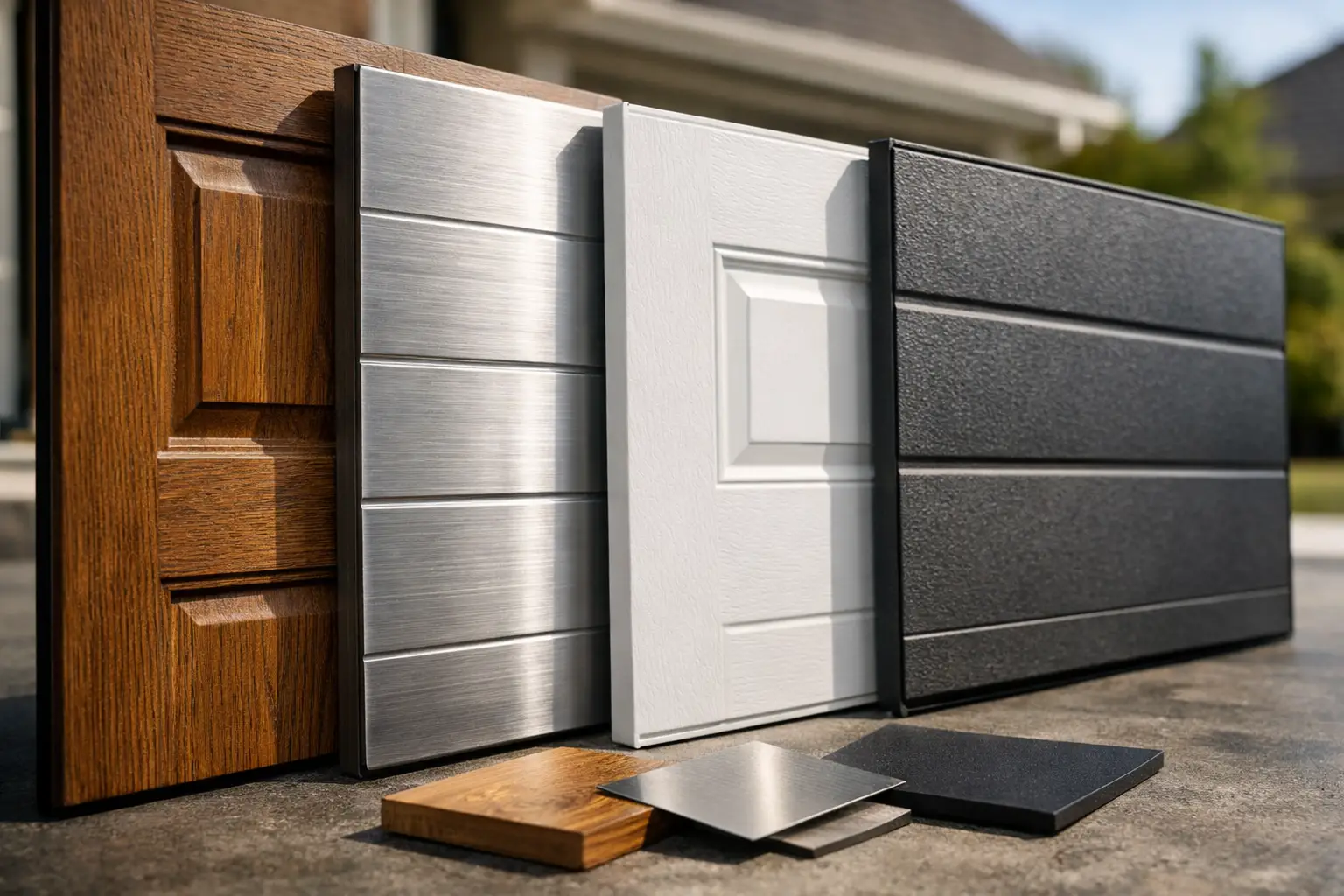
A garage door has to do more than look good from the street. It needs to handle daily use, stand up to weather, protect what is inside, and fit the style of your home or building. That is why choosing the best material for garage doors is less about finding one perfect option and more about matching the door to how the property is actually used.
For many property owners, the wrong choice only becomes obvious later. A door that looked great in a showroom may dent easily, need more upkeep than expected, or fall short on insulation during colder months. The better approach is to compare materials based on durability, maintenance, appearance, and long-term value before installation.
What is the best material for garage doors?
For most homes, steel is the best all-around material for garage doors because it balances strength, affordability, low maintenance, and design flexibility. That said, it is not automatically the right pick for every property.
If curb appeal is the top priority, wood may be the better fit. If corrosion resistance and a modern look matter most, aluminum may make more sense. If the goal is energy efficiency or lower upfront cost, other options can come into play. The right answer depends on the door size, exposure to weather, expected use, and your budget for both installation and upkeep.
Best material for garage doors by type
Steel garage doors
Steel is the most common choice for good reason. It is strong, widely available, and works with a broad range of home styles, from traditional raised-panel designs to clean contemporary finishes. It can also be insulated, which matters if the garage is attached to the house or used as a workspace.
Another advantage is cost control. Steel doors come in a wide price range, so homeowners can often find a model that suits both their needs and budget. Many also have factory-applied finishes that reduce maintenance compared with natural materials.
The trade-off is that steel can dent if hit hard, especially thinner-gauge models. In coastal or damp conditions, lower-quality steel doors may also be more vulnerable to rust if the finish is damaged. For homes in areas with regular rain and moisture, the quality of the coating and insulation package matters.
Wood garage doors
Wood remains one of the best-looking materials on the market. If you want warmth, texture, and custom character, few materials compare. It suits heritage homes, craftsman designs, and higher-end custom builds especially well.
Wood can also be repaired and refinished, which appeals to owners who want a long-term architectural feature rather than just a functional panel. A well-built wood door can make a major difference in curb appeal.
But wood asks more from the owner. It needs regular maintenance to protect against moisture, warping, cracking, and finish wear. It is also heavier than many other options, which can affect opener demands and hardware wear over time. For some homes, the look is worth it. For others, the upkeep becomes a frustration.
Aluminum garage doors
Aluminum is often chosen for contemporary designs, especially full-view doors with glass panels. It is lightweight, naturally resistant to rust, and easier on openers and moving parts because of its lower weight.
This makes aluminum a strong option for modern homes and some commercial applications. In wetter climates, corrosion resistance can be a real benefit. It also works well when owners want a sleek appearance without the maintenance demands of wood.
Its weakness is impact resistance. Aluminum dents more easily than steel, so it may not be ideal in high-traffic households where bikes, tools, and vehicles regularly move in and out. If durability under rough use is the top concern, steel often has the edge.
Fibreglass and composite garage doors
Fibreglass and composite materials are designed to reduce some of the drawbacks of natural wood while still offering a similar appearance. Composite doors can mimic wood grain well and usually need less maintenance than real wood.
These materials can be a smart middle-ground option for homeowners who want style without frequent refinishing. Depending on the product, they may also resist moisture, insects, and rot better than wood.
The catch is that quality varies. Some lower-end products may fade, crack, or age less gracefully than expected. This is one category where brand quality and installation standards matter a great deal.
Vinyl garage doors
Vinyl is typically valued for low maintenance and resistance to dents, rust, and moisture. It can work well for families who prioritize durability and want a door that handles everyday bumps better than thinner metal doors.
Still, vinyl is usually more limited in appearance than steel or wood. It may not offer the same premium finish or design flexibility. In some cases, extreme temperature swings can also affect performance over time.
How climate and use affect the right choice
Material choice should always reflect local conditions. In places where rain, damp air, and seasonal temperature changes are common, moisture resistance and insulation become more important. A beautiful door that struggles with swelling, rust, or heat loss is not a good long-term value.
That is one reason many homeowners in the Seattle area lean toward insulated steel or carefully selected composite options. These materials often strike a practical balance between weather resistance, appearance, and maintenance. If the garage is attached to the home, the insulation value becomes even more relevant for comfort and energy performance.
Usage also matters. A detached garage used mainly for parking can tolerate different trade-offs than a garage that doubles as storage, a gym, or a work area. Commercial and industrial settings place even greater demands on durability, cycle life, and ease of repair.
Appearance matters, but so does maintenance
A garage door takes up a large share of the front exterior on many properties. The material you choose will shape curb appeal right away, but the ongoing care should be part of the decision from the start.
Wood offers standout appearance, but it needs regular attention. Steel is easier to live with for many owners, especially when factory-finished and insulated. Aluminum fits modern design nicely, though it may show dents sooner. Composite can be a strong compromise if the product quality is solid.
If your priority is a door that looks sharp with minimal upkeep, steel is usually the safest bet. If you are comfortable with maintenance and want a more custom architectural result, wood can be worth the extra cost and care.
Insulation, noise, and everyday performance
The best material for garage doors is not only about the outer surface. Construction quality matters just as much. An insulated steel door can perform very differently from a non-insulated one, even though both are technically steel.
Insulation helps with temperature control, noise reduction, and the overall feel of the door in operation. Heavier, better-built doors often sound more solid and operate more smoothly when paired with proper tracks, springs, and openers. If the garage sits beneath a bedroom or beside a main living space, this matters more than many people expect.
That is why material should never be considered in isolation. The panel construction, insulation type, hardware quality, and installation all affect the final result.
Cost versus long-term value
The cheapest door is not always the least expensive over time. A lower-cost material may save money upfront, but if it needs more repairs, more maintenance, or earlier replacement, the value can drop quickly.
Steel usually delivers the strongest balance of upfront affordability and long-term performance. Wood often costs more at the start and continues to require maintenance, but it can add visual value that some owners care about deeply. Aluminum and composite sit somewhere in the middle depending on style and build quality.
A good contractor should explain these trade-offs clearly instead of pushing one option on every customer. If a door is being chosen for a forever home, the priorities may differ from a rental property, commercial building, or resale-focused upgrade.
So which material should you choose?
If you want the safest all-around recommendation, insulated steel is the answer for most homes and many light commercial uses. It is dependable, versatile, relatively easy to maintain, and available in designs that suit almost any exterior.
If appearance comes first and you are willing to invest in upkeep, wood is hard to beat. If you want a lighter modern door with good corrosion resistance, aluminum deserves a serious look. If you are trying to balance visual appeal with lower maintenance, a high-quality composite door may be the right fit.
When homeowners need help sorting through those options, expert guidance makes a real difference. A local company such as Summit Garage Doors can assess how the garage is used, what level of insulation makes sense, and which materials will hold up best under real conditions rather than showroom assumptions.
The right garage door material should make daily life easier, not give you one more thing to worry about. Choose the door that fits how you live, how your property works, and how much maintenance you actually want to take on.

