
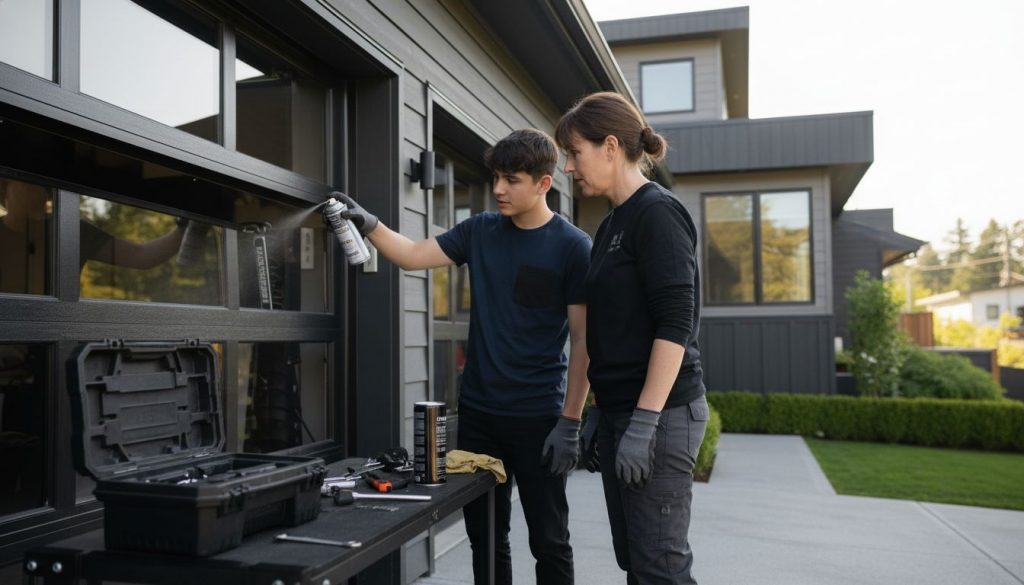
A noisy or malfunctioning garage door is more than just a nuisance. Studies show that one in four homeowners experiences garage door problems each year. These issues can disrupt your day, impact your home’s security, and even create safety risks if ignored. With the right approach, many common garage door challenges can be tackled quickly and safely, helping you restore quiet operation and prevent costly repairs down the line.
Table of Contents
- 1. Fixing Noisy Garage Doors Easily
- 2. Repairing Broken Garage Door Springs
- 3. Replacing Damaged Garage Door Panels
- 4. Solving Garage Door Opener Issues
- 5. Realigning Off-Track Garage Doors
- 6. Replacing Worn Out Garage Door Cables
- 7. Adjusting Garage Door Sensors For Safety
Quick Summary
| Takeaway | Explanation |
|---|---|
| 1. Regularly lubricate garage door parts. | Lubricating hinges, rollers, and tracks prevents noise and ensures smooth movement, ideally twice a year. |
| 2. Monitor garage door springs for wear. | Inspect springs annually for signs like rust or difficulty lifting, and replace when needed to avoid malfunction. |
| 3. Address damaged panels promptly. | Repair or replace damaged panels quickly to maintain door integrity and curb appeal, as minor damage can worsen. |
| 4. Test garage door safety sensors monthly. | Regular testing ensures sensors are functioning and can prevent accidents by reversing the door on obstructions. |
| 5. Seek professional help for cable issues. | Garage door cables are under tension; DIY replacements can lead to injury, so consult a professional for any fraying cables. |
1. Fixing Noisy Garage Doors Easily
If your garage door sounds like it’s ready to wake the entire neighborhood, you’re not alone. Noisy garage doors are a common problem for Seattle homeowners, but fortunately, they’re often easy to fix with some basic maintenance.
Most garage door noise stems from lack of proper lubrication and worn mechanical components. According to maintenance experts, regular lubrication of hinges, rollers, and tracks can significantly reduce operational sounds and ensure smooth movement.
What You’ll Need:
- Silicone based lubricant
- Clean rag or cloth
- Stepladder
- Protective gloves
Start by thoroughly cleaning all moving metal parts. Use your silicone spray to lubricate rollers, hinges, and track surfaces. Pay special attention to pivot points where metal components connect. A light, even coating works best – avoid over applying which can attract dust and debris.
Pro tip: Perform this maintenance twice annually to keep your garage door operating quietly and smoothly. Most homeowners notice an immediate reduction in operational noise after a proper lubrication session. If persistent loud sounds continue after maintenance, it might signal more serious mechanical issues requiring professional inspection.
2. Repairing Broken Garage Door Springs
Garage door springs are the unsung heroes of your home equipment. When they break, your entire garage door system becomes virtually unusable, transforming a simple entry into a frustrating ordeal.
There are two primary types of garage door springs: torsion springs located above the door and extension springs on the sides. Signs of spring failure include difficulty lifting the door, visible gaps or separation in the spring, or a door that feels extremely heavy when manually operated.
While it might be tempting to attempt DIY repairs, understanding how garage door springs work is crucial before taking any action. These components are under extreme tension and can cause serious injury if not handled correctly.
Warning Signs to Watch For:
- Door opens unevenly
- Loud snapping or popping sounds
- Door feels significantly heavier than normal
- Visible wear or rust on springs
Professional technicians recommend annual spring inspections to prevent unexpected failures. Most residential garage door springs have a lifespan of approximately 10000 cycles roughly 7 to 10 years of typical use. Regular maintenance can help extend this timeline and prevent sudden breakdowns.
If you notice any spring issues, stop using the garage door immediately. Continuing to operate a door with compromised springs can cause further damage to your garage door mechanism and pose significant safety risks.
3. Replacing Damaged Garage Door Panels
A single damaged panel can compromise the entire structural integrity and appearance of your garage door. Seattle homeowners know that weather and accidents can quickly transform a pristine door into an eyesore that reduces your home’s curb appeal.
Garage door panels are not just cosmetic elements they play a crucial role in your door’s overall performance and security. Damage can range from small dents and dings to significant structural cracks that impact the door’s functionality.
Common Causes of Panel Damage:
- Vehicle impact
- Severe weather conditions
- Age related wear
- Accidental bumps or collisions
Understanding garage door panel types is essential before considering replacement. Most residential garage doors feature steel aluminum or wood panels with varying levels of durability and aesthetic appeal.
While minor surface damage might seem cosmetic initial cracks or significant dents can quickly escalate into more serious structural problems. Professional technicians recommend addressing panel issues promptly to prevent further deterioration.
Important Considerations for Panel Replacement:
- Match existing panel material and color
- Consider full door replacement if multiple panels are damaged
- Evaluate cost of repair versus complete door replacement
- Ensure professional installation for proper alignment and function
Do not attempt DIY panel replacement without proper tools and expertise. Garage doors involve complex mechanical systems where improper repairs can lead to safety risks and additional damage. A professional assessment will help you determine the most cost effective and safe solution for your specific garage door panel issues.
4. Solving Garage Door Opener Issues
Garage door openers are the silent workhorses of home convenience. When they malfunction, what should be a simple entry or exit becomes a frustrating ordeal that can disrupt your entire day.
Common Garage Door Opener Problems:
- Remote control stops working
- Door opens partially then reverses
- Strange grinding or scraping noises
- Complete failure to respond
Modern garage door openers rely on complex electronic systems that can fail for multiple reasons. Understanding why garage doors won’t open helps homeowners diagnose issues quickly and effectively.
The most critical safety feature is the automatic reversal mechanism. Safety experts recommend monthly testing by placing a solid object like a 2×4 wooden board in the door’s path. If the door does not immediately reverse upon contact, your opener requires professional servicing.
Battery replacement in remote controls is the simplest fix. However more complex issues often involve sensor alignment sensor battery drainage or electrical circuit problems. Sensors must be kept clean and properly aligned to ensure smooth operation.
Before calling a professional, check these basic troubleshooting steps:
- Verify power source
- Replace remote batteries
- Check sensor alignment
- Listen for unusual mechanical sounds
While some minor issues can be resolved at home persistent problems require expert intervention. Attempting complex repairs without proper knowledge can lead to further damage or potential safety risks.
5. Realigning Off-Track Garage Doors
A garage door that has gone off its tracks is more than just an inconvenience. It represents a serious safety risk and potential expensive damage to your entire garage door system.
Warning Signs of Track Misalignment:
- Visible gaps between rollers and track
- Door moves unevenly or jerkily
- Scraping or grinding sounds during operation
- Door gets stuck midway
- Visible bending or warping of track rails
Understanding garage door track alignment starts with recognizing that tracks must remain perfectly straight and parallel. Even small misalignments can create significant operational problems.
Track misalignment typically occurs from several potential causes. Accidental impacts vehicle bumps repeated heavy use and natural house settling can all contribute to tracks becoming uneven. Seasonal temperature changes in Seattle can also cause metal tracks to expand or contract slightly.
Before attempting any realignment always disconnect the power to your garage door opener. Minor adjustments might involve loosening mounting brackets and gently realigning tracks. However most track issues require professional intervention to prevent further damage.
Critical Safety Reminder: Never attempt to manually force a misaligned door back into position. This can cause additional damage to rollers springs and the track system. Improper realignment attempts might also void your garage door warranty and create dangerous operational risks.
6. Replacing Worn Out Garage Door Cables
Garage door cables are the unsung heroes that bear tremendous weight and tension every single time you open or close your garage door. When these critical components start to wear out they can create dangerous situations that compromise your entire garage door system.
Signs of Cable Deterioration:
- Visible fraying or unraveling
- Rust or corrosion
- Slack or loose appearance
- Unusual sounds during door operation
- Visible kinks or bends in cable structure
Garage door cable repair techniques require precision and understanding of the complex mechanical system. These cables work in tandem with springs to counterbalance the weight of your garage door providing smooth and controlled movement.
Most residential garage door cables are made from galvanized steel designed to withstand significant stress. However Seattle’s variable weather conditions can accelerate cable deterioration. Moisture humidity and temperature fluctuations contribute to faster wear and potential structural weakening.
Critical Safety Warning: Never attempt to replace garage door cables without professional assistance. These components are under extreme tension and improper handling can result in serious personal injury. A professional technician will ensure proper cable selection installation and tension adjustment.
Monthly visual inspections can help you catch potential cable issues early. Look for subtle signs of wear and contact a professional garage door service at the first indication of potential cable problems. Proactive maintenance can prevent unexpected failures and costly emergency repairs.
7. Adjusting Garage Door Sensors for Safety
Garage door safety sensors are your first line of defense against potential accidents and injuries. These small electronic devices might look insignificant but they play a critical role in preventing catastrophic garage door closures.
How Garage Door Sensors Work:
- Create an invisible infrared beam across door opening
- Detect any obstruction in door’s path
- Automatically reverse door if something interrupts beam
- Prevent crushing hazards for people and objects
Understanding garage door safety sensors begins with recognizing their fundamental purpose. These sensors are designed to stop the door from closing if anything crosses their infrared detection zone protecting children pets and property from potential harm.
Typical sensor problems include misalignment dirt accumulation and electrical interference. Seattle homeowners should perform monthly safety sensor tests. This involves waving an object between sensors while the door closes to confirm they trigger the automatic reversal mechanism.
Sensor Adjustment Steps:
- Clean sensor lenses with soft cloth
- Check for physical obstructions
- Ensure sensors are aligned precisely
- Verify no exposed or damaged wiring
- Test reversal mechanism after adjustment
If sensors consistently fail to perform correctly professional inspection becomes crucial. Faulty sensors can compromise your garage door’s most important safety feature. Remember that while DIY maintenance is possible some complex sensor issues require expert intervention to ensure complete system reliability.
Below is a comprehensive table summarizing the key strategies and maintenance tips for common garage door problems discussed throughout the article.
| Topic | Description & Steps | Benefits/Outcomes |
|---|---|---|
| Fixing Noisy Garage Doors | Clean and lubricate hinges, rollers, and track surfaces bi-annually using silicone spray. | Reduced noise and smoother operation. |
| Repairing Broken Springs | Identify spring type and call professional due to high tension risks. | Safe and functional door operation. |
| Replacing Damaged Panels | Match panel materials and consult professionals for installation. | Maintained structural integrity and improved appearance. |
| Solving Opener Issues | Check power supply, remote batteries, and sensor alignment. Test reversal mechanism monthly. | Reliable opener function and enhanced safety. |
| Realigning Off-Track Doors | Disconnect power, inspect tracks, and call technicians for adjustments. | Prevented damage and ensured safety. |
| Replacing Worn Cables | Conduct monthly visual inspections and hire professionals for replacements. | Avoided emergencies and costly repairs. |
| Adjusting Sensors for Safety | Align, clean, and test sensors monthly for automatic reversal. | Accident prevention and safe door usage. |
Keep Your Garage Door Safe and Sound with Expert Help
Is a noisy garage door wearing on your nerves or are worn springs making daily access a struggle? The guide “7 Common Garage Door Repairs Every Seattle Homeowner Should Know” reveals important problems like noisy hinges, broken springs, damaged panels, and faulty sensors that can disrupt your routine and compromise safety. Don’t let garage door issues turn into costly emergencies or risks for your family.

Trust the experienced team at Summit Garage Doors to restore smooth and secure operation to your garage door. Whether it is lubrication, spring repair, panel replacement, or sensor adjustment, our Seattle technicians provide reliable, professional service tailored to your needs. Act now to avoid unexpected failures and keep your home protected. Visit Summit Garage Doors to schedule your inspection or repair and enjoy peace of mind every time you use your garage door.
Frequently Asked Questions
How can I reduce noise from my garage door?
To reduce noise from your garage door, regularly lubricate the hinges, rollers, and track. Perform this maintenance every six months to help ensure smooth movement and minimize operational sounds.
What are the signs that my garage door springs need repair?
Signs of garage door spring failure include difficulty lifting the door, visible gaps in the spring, or unusual loud noises when operating the door. If you notice these symptoms, refrain from using the door and consult a professional for inspection.
How do I know if my garage door panels need to be replaced?
If you see visible damage like dents, cracks, or if the panels affect the door’s functionality, it may be time for replacement. Consider addressing this issue promptly to maintain both the appearance and safety of your garage door.
What should I check if my garage door opener isn’t working?
Start by verifying the power source and replacing the remote batteries, as these are common issues. If problems persist, check for sensor alignment and listen for any unusual mechanical sounds that may indicate a need for professional assistance.
How can I align an off-track garage door?
To align an off-track garage door, first disconnect the power from the opener. Minor alignment can be achieved by loosening mounting brackets slightly and gently adjusting the tracks back into place, but consider calling a professional for more complex issues to avoid damage.
What are the signs that my garage door cables need replacement?
Look for visible fraying, rust, or unusual slack in the cables, as these indicate deterioration. If you spot these signs, contact a professional immediately to replace the cables and ensure safe operation of your garage door.
Recommended
- Cost of Garage Door Repair in Seattle: 2025 Guide for Local Homeowners – Summit Garage Doors | Seattle’s #1 Garage Door Repair & Installation
- Summit Garage Doors Blog – Guides & Articles
- Elevate Your Home with the Best Garage Door Services in Seattle
- Garage Door Service Frequency: Seattle & King County 2025 – Summit Garage Doors | Seattle’s #1 Garage Door Repair & Installation

