
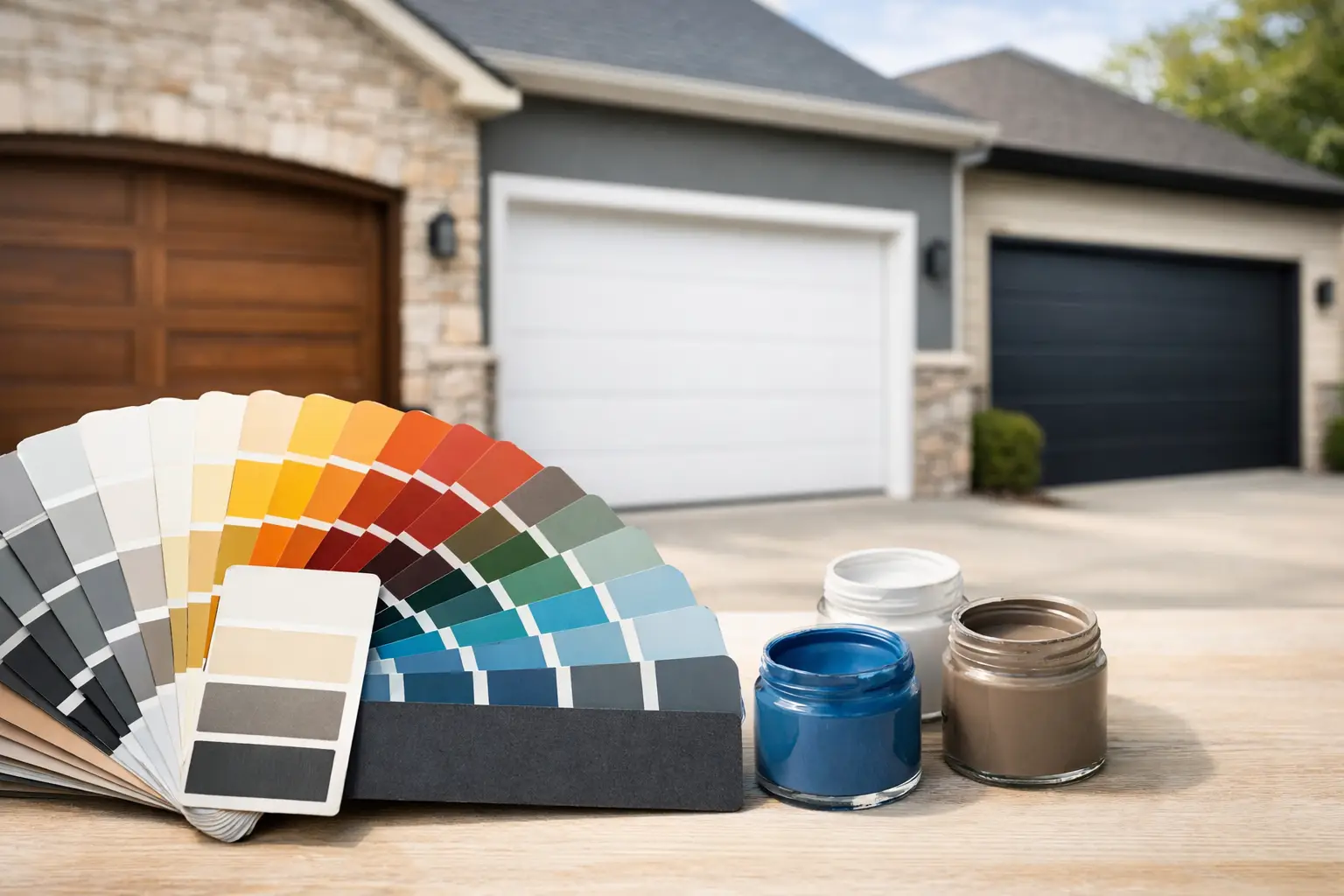
A garage door can take up a huge share of your home’s front view, which means the colour choice carries more weight than many homeowners expect. A good garage door color selection guide is not about chasing trends. It is about choosing a colour that fits your home, holds up visually over time, and still looks right in Seattle’s softer, often overcast light.
If you get the colour right, the door feels like part of the house. If you get it wrong, even a high-quality new door can look out of place. The best choice usually comes down to architecture, surrounding materials, contrast, maintenance expectations, and how bold you actually want the result to be.
What this garage door color selection guide should help you decide
Most homeowners start with one simple question: should the garage door match the house or stand out from it? The honest answer is that either approach can work.
If your goal is a clean, cohesive exterior, a garage door that closely matches the main body colour of the home often looks polished and timeless. This is especially useful when the garage is front-facing and visually dominant. A close match can reduce its visual weight and keep the focus on the rest of the home.
If you want the garage door to feel more intentional as a design feature, matching the trim, shutters, or front entry accents can create stronger definition. Done well, that contrast adds curb appeal. Done poorly, it can make the garage look like a separate structure attached to the house as an afterthought.
That is why colour selection should be tied to the full exterior, not just a paint chip you happen to like.
Start with the fixed elements
Before choosing any paint or factory finish, look at the materials that are not changing. That includes roofing, brick, stone, concrete, window frames, and any wood tones around the entry. These elements limit the range of colours that will feel natural.
For example, a home with warm stone and beige trim usually works better with warm greys, taupes, browns, cream, or muted black-brown finishes. A cooler-toned home with crisp white trim, charcoal roofing, and dark window frames can handle cooler greys, true black, or deep blue-grey more easily.
This matters because garage doors are large surfaces. Small undertone clashes become very obvious when spread across a wide door.
Should the garage door match the front door?
Sometimes yes, but not automatically. Homeowners often hear that the garage door and front door should coordinate, and that can be a good rule if both are visible from the street and share a similar style.
Still, exact matching is not always the best move. A richly stained wood front door may be a beautiful focal point, while a full wood-look garage door in the same tone could overwhelm the facade. In that case, it may be better to echo the warmth of the front door in a softer way rather than duplicate it.
Think of the front door as the accent and the garage door as the supporting element. They should belong to the same visual story, but they do not always need the same line.
Light colours versus dark colours
This is one of the biggest trade-offs in any garage door color selection guide because both options bring benefits and drawbacks.
Light colours such as white, off-white, light beige, and pale grey tend to feel classic and safe. They reflect more light, show less heat buildup, and often blend well with trim. They also work well on traditional homes, coastal-inspired homes, and exteriors where you want the garage to recede rather than dominate.
The downside is maintenance. Light doors can show dirt, splash marks, mildew, and road grime more quickly, especially in damp conditions.
Dark colours such as charcoal, black, bronze, and deep brown can look striking and current. They pair well with modern homes and homes with black window frames or strong architectural lines. Dark finishes can also hide some types of dirt better than white does.
But dark doors are less forgiving in another way. They show fading more noticeably over time, can highlight dents or surface wear depending on sheen, and may absorb more heat in direct sun. On some homes, a very dark garage door can feel heavier than intended.
Consider your home’s style first
Architecture should lead the decision more than trends do.
Traditional homes often look best with colours that are quiet and integrated. White, almond, taupe, sandstone, medium brown, and muted grey are all dependable choices. Carriage-style doors can handle a little more contrast, especially if decorative hardware and window details are part of the design.
Modern homes usually support stronger contrast. Black, charcoal, flush wood-look finishes, and cool mid-tone greys can look sharp and intentional. Clean lines matter here, so the colour should reinforce the architecture rather than compete with it.
Craftsman and transitional homes tend to sit in the middle. Earth tones, painted wood-inspired shades, olive-grey, greige, and richer browns often work well, especially when they connect to trim, beams, or stonework.
If you are unsure, choose the colour that makes the door feel like it was always part of the home. That instinct is usually more reliable than picking the shade that is currently popular.
Seattle light changes how colour reads
In the Pacific Northwest, colours often appear cooler and softer outdoors than they do under bright showroom lights. A warm greige might look balanced inside but seem flatter outside on an overcast day. A dark charcoal can look almost black for much of the year.
That is why samples matter. If possible, view colour options outside, against the home, and at different times of day. Morning light, afternoon light, and rainy-day conditions can all shift the way a finish looks.
For homeowners in Seattle and nearby communities, this is one reason neutral, grounded colours stay popular. They tend to hold up better across changing weather and lighting conditions without looking too stark or too trendy.
Finish matters as much as colour
A flat white and a bright glossy white do not create the same result. The same goes for black, bronze, or wood-tone finishes.
Sheen affects how clean, premium, and visible a garage door appears from the street. Higher gloss can feel more reflective and show imperfections more easily. Lower sheen often looks more refined and forgiving, but it may not give the crispness some homeowners want.
Wood-look finishes deserve extra care. Some look convincingly natural, while others read more artificial from a distance. The quality of the finish, panel style, and the rest of the home all need to line up.
Don’t forget the long-term maintenance side
Colour is not only about curb appeal on day one. It affects how much upkeep the door will seem to need over time.
If your driveway gets frequent splashback, if the garage faces the street closely, or if trees drop debris in front of the home, a pure white finish may ask for more frequent cleaning. If the home gets strong afternoon sun, a darker painted finish may require more attention later to keep it looking even.
This does not mean you should avoid the colour you want. It simply means the right choice is the one that fits both your taste and your tolerance for maintenance.
When to play it safe and when to go bold
Safe is not the same as boring. A garage door that blends well with the home often creates the most expensive-looking result because nothing feels forced.
Going bold makes sense when the home’s design can support it. Modern exteriors, custom builds, and homes with strong black, bronze, or timber accents often benefit from a garage door with more presence. In those cases, the bold choice can look deliberate rather than risky.
If you are stuck between two directions, the best move is usually to go one step quieter than your first impulse. Most homeowners live with a garage door for years, and colours that feel slightly restrained on day one often age better.
A practical way to narrow it down
If you are deciding between several options, reduce the choice to three. Pick one that matches the siding closely, one that ties into trim or accent colours, and one that adds contrast. Then compare each against the roof, front entry, and windows.
At that stage, eliminate any colour that looks good only on its own. The winner should improve the house as a whole.
For homeowners replacing an older door, this is also the right time to consider whether the panel design and colour are working together. Sometimes the issue is not the shade itself but that the style of door and the finish are sending mixed signals. A trusted installer or design-focused garage door team can help spot that quickly before you commit.
The right garage door colour should make your home feel more finished, more balanced, and more valuable from the street. If the choice feels calm and confident every time you pull into the driveway, you chose well.

