
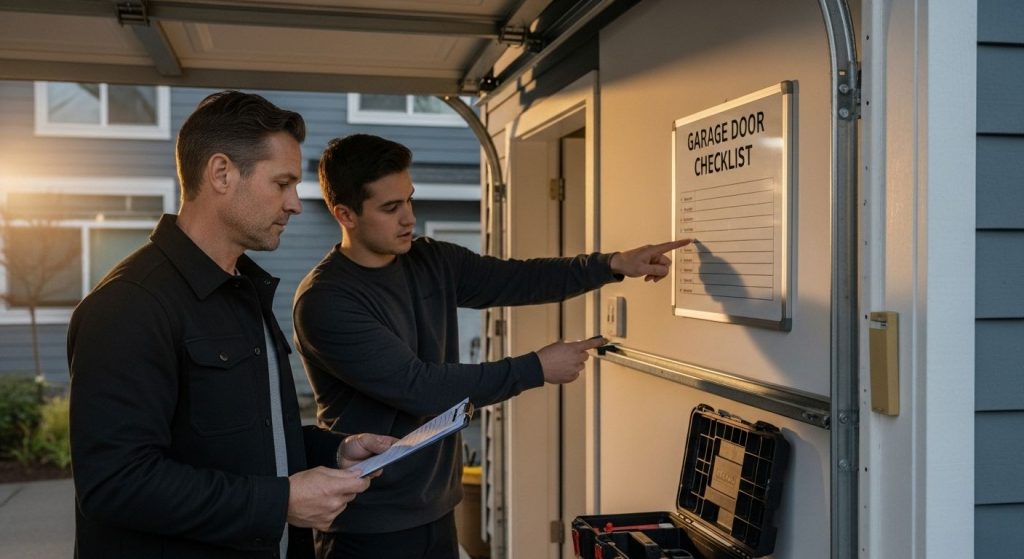
Seattle homeowners count on their garage doors to keep their homes secure and daily routines on track. Surprisingly, garage doors are responsible for over 20,000 injuries in the US every year, most of which could have been prevented with simple maintenance checks. Most people focus on oil changes or HVAC tune-ups and totally overlook the moving wall that weighs hundreds of pounds right at their doorstep.
Table of Contents
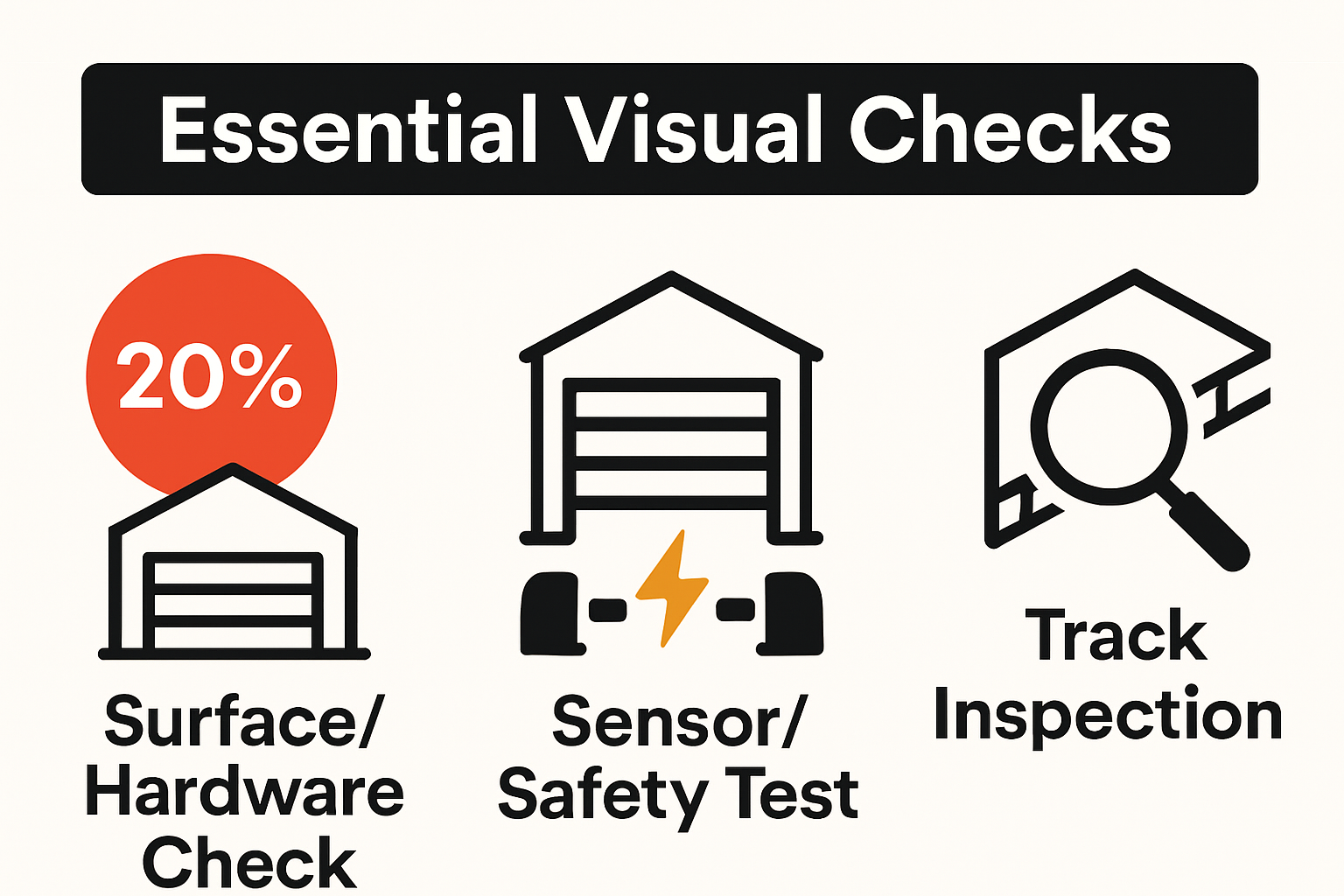
- Essential Visual Checks For Garage Doors
- Key Safety Tests And Adjustments
- Lubrication And Moving Parts Maintenance
- When To Call Local Seattle Garage Door Experts
Quick Summary
| Takeaway | Explanation |
|---|---|
| Regular Visual Inspections are Crucial | Perform routine checks for damage and wear to prevent costly repairs and enhance safety. |
| Test Auto-Reversal Mechanism Monthly | Ensure the garage door reverses when obstructed to protect against accidents and injuries. |
| Lubricate Moving Parts Semi-Annually | Regular lubrication of hinges, rollers, and springs extends the door’s lifespan and improves operation. |
| Know When to Hire a Professional | Seek expert help for complex issues, such as broken springs or misaligned tracks, to avoid injury and further damage. |
| Conduct Safety Tests Yearly | Perform safety tests on emergency releases and force settings to maintain safe operations and compliance with guidelines. |
Essential Visual Checks for Garage Doors
Maintaining a functional garage door requires regular visual inspections that can prevent costly repairs and ensure your home’s safety. Visual checks are your first line of defense against potential garage door system failures, helping you identify issues before they escalate into major problems.
Comprehensive Door Surface and Hardware Inspection
Begin with a thorough visual examination of the entire garage door surface. Look for signs of wear, damage, or deterioration that could compromise the door’s structural integrity. Angi’s home maintenance guide recommends checking for rust, dents, cracks, or warping in metal or wooden doors. Pay special attention to the bottom section of the door, which is most vulnerable to moisture damage and ground contact.
Inspect all hardware components carefully. Check the mounting brackets, hinges, and rollers for signs of wear or loosening. Tighten any visible loose bolts or screws, but avoid over-tightening, which can cause additional stress on the components. Look for signs of rust or corrosion on metal parts, as these can indicate potential structural weaknesses.
Sensor and Safety Mechanism Evaluation
Safety is paramount when it comes to garage door systems. Consumer Reports emphasizes the critical importance of checking safety sensors and auto-reversal mechanisms. Carefully inspect the photo eye sensors located near the bottom of the door tracks. Ensure they are:
- Correctly Aligned: Sensors should be mounted no more than 6 inches from the ground
- Unobstructed: Clear of any debris or potential interference
- Functional: Test by placing an object in the door’s path to verify auto-reversal works properly
Verify the wall-mounted control button and all remote controls are functioning correctly. Test the auto-reversal feature by placing a non-breakable object beneath the closing door. A properly functioning system should immediately stop and reverse direction upon contact.
Tracking and Operational Integrity Check
Carefully examine the door’s tracking system for any signs of misalignment or damage. Look for:
- Visible bends or warping in the track
- Accumulated dirt or debris that might impede smooth movement
- Uneven gaps or spaces between the rollers and track
Open and close the garage door manually to assess its movement. A well-maintained door should move smoothly without grinding noises, jerking, or apparent resistance. Listen carefully for any unusual sounds that might indicate underlying mechanical issues.
Learn more about our comprehensive garage door system diagnostics to ensure your home’s entry remains secure and functional. Regular visual inspections are a small investment of time that can save you significant expense and inconvenience in the long run.
Key Safety Tests and Adjustments
Garage door safety is not just about preventing property damage but protecting lives. Comprehensive safety tests and precise adjustments are critical to ensuring your garage door system operates smoothly and securely.
Auto-Reversal Mechanism Verification
The auto-reversal mechanism represents the most crucial safety feature of any modern garage door system. International Association of Certified Home Inspectors recommends thorough testing of this critical safety component. To properly assess the auto-reversal system, place a rigid object like a wooden board or cardboard box on the ground directly beneath the door’s closing path.
As the door descends, it should immediately stop and reverse direction upon contact with the object. Most contemporary garage door openers are engineered with two distinct auto-reversal mechanisms:
- Mechanical Reversal: Physical obstruction triggers immediate door reversal
- Electronic Sensor Reversal: Infrared sensors detect objects and prevent door closure
If the door fails to reverse within a split second of touching the object, the system requires immediate professional recalibration. Delayed or non-responsive auto-reversal can lead to serious injury risks.
Force Settings and Tension Calibration
Proper force settings are essential for safe and efficient garage door operation. Excessive tension can cause the door to close too forcefully, potentially damaging property or causing personal injury. Consumer Product Safety Commission guidelines emphasize the importance of precise force calibration.
Manual testing involves the following steps:
- Open the garage door fully
- Disconnect the automatic opener
- Manually lift the door halfway and release
- A properly balanced door should remain stationary without rising or falling
- If the door moves, professional adjustment is necessary
Tension springs play a pivotal role in counterbalancing the door’s weight. Uneven or overly tight springs can create significant safety hazards, potentially causing sudden door drops or unpredictable movements.
Emergency Release and Manual Operation Test
The emergency release mechanism provides a critical safety failsafe during power outages or mechanical failures. National Fire Protection Association recommends regular testing of this crucial component.
To test the emergency release:
- Ensure the area around the door is clear
- Pull the red emergency release cord
- Manually lift and lower the door to confirm smooth operation
- Check that the door moves without excessive resistance
- Verify the reconnection process with the automatic opener
Explore our comprehensive guide to garage door safety protocols to ensure your system meets all local safety standards. Professional periodic inspections can identify potential issues before they escalate into dangerous situations, providing peace of mind for Seattle homeowners.
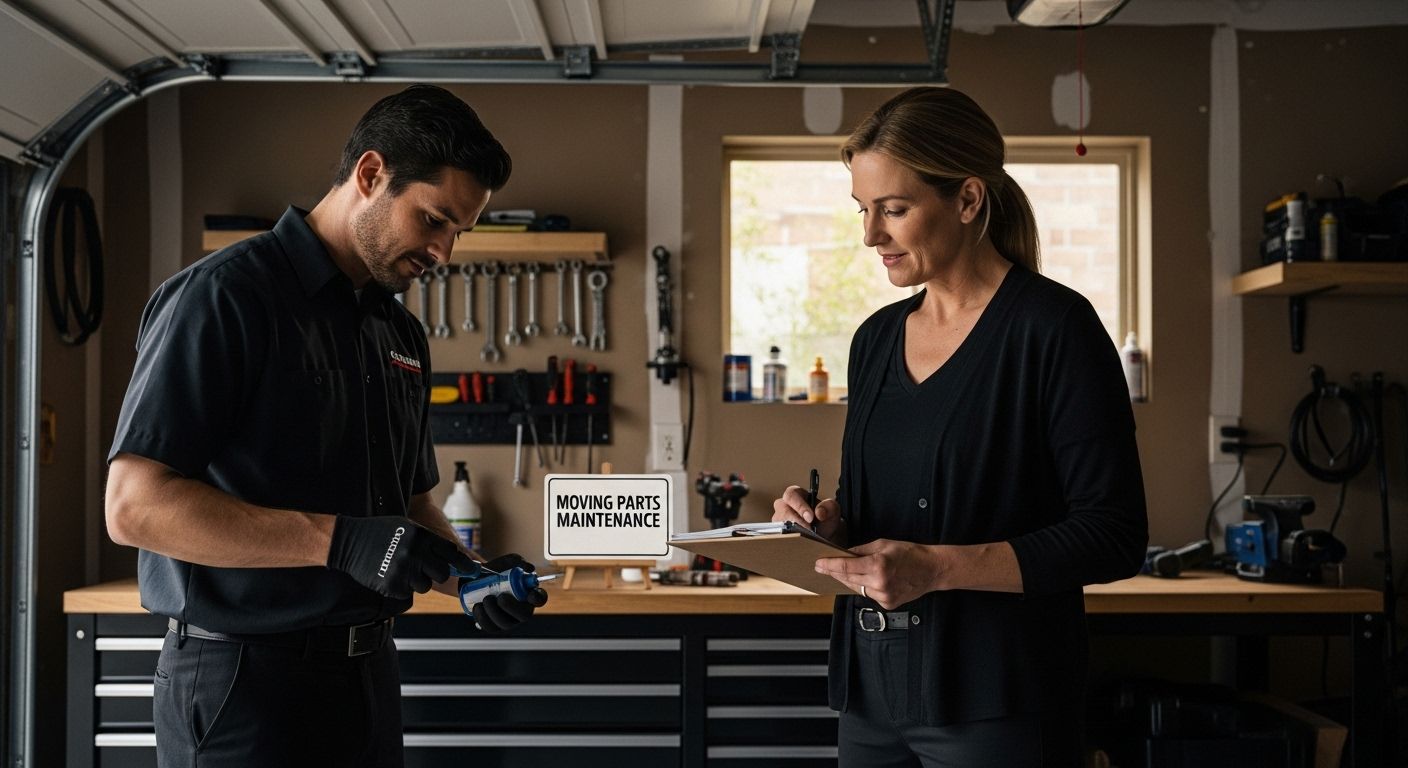
Lubrication and Moving Parts Maintenance
Proper lubrication is the lifeblood of a smooth-functioning garage door system. Regular maintenance of moving parts prevents premature wear, reduces friction, and extends the overall lifespan of your garage door components.
Essential Lubrication Components and Techniques
The Home Depot emphasizes the critical nature of systematic lubrication for garage door mechanisms. Focus on key components that experience significant mechanical stress during daily operations. Prioritize lubricating hinges, rollers, springs, and bearing plates to minimize friction and prevent potential mechanical failures.
Choose a high-quality silicone-based or lithium grease lubricant specifically designed for garage door systems. Avoid using standard WD-40 or household oils, which can attract dirt and potentially damage delicate mechanical components. Apply lubricant sparingly but thoroughly, ensuring even coverage without over-saturating the parts.
Systematic Lubrication Process
Overhead Door Company of Huntsville recommends a methodical approach to lubrication maintenance. Begin by cleaning each component thoroughly to remove accumulated dust, debris, and old lubricant residue. Use a clean cloth or soft brush to prepare surfaces before application.
Focus on these critical areas during your maintenance routine:
The following table breaks down the key garage door components that require lubrication and the recommended technique for each. This helps homeowners focus their maintenance efforts effectively.
| Component | Recommended Lubricant Type | Lubrication Technique |
|---|---|---|
| Roller Bearings | Silicone or Lithium Grease | Apply thin layer to stems and bearings |
| Hinges | Silicone or Lithium Grease | Lubricate pivot points/moving joints |
| Torsion Springs | Silicone or Lithium Grease | Light coating to prevent rust/wear |
| Bearing Plates | Silicone or Lithium Grease | Lubricate mounting points |
- Roller Bearings: Apply a thin layer of lubricant to roller stems and bearings
- Hinges: Lubricate pivot points and moving joints
- Torsion Springs: Coat springs lightly to prevent rust and reduce friction
- Bearing Plates: Apply lubricant to reduce wear on mounting points
Remember to wipe away excess lubricant to prevent accumulation of dirt and potential system imbalance. Perform this maintenance every six months or more frequently in high-use environments.
Professional Inspection and Advanced Maintenance
While DIY maintenance is valuable, professional inspections provide comprehensive assessment of your garage door’s mechanical health. Trained technicians can identify subtle signs of wear that might go unnoticed during routine maintenance. They can detect early indicators of potential failures, such as minor spring tensions, roller alignment issues, or developing mechanical stress points.
Learn more about comprehensive garage door system maintenance to ensure your system remains in peak condition. Professional technicians bring specialized knowledge and tools that go beyond standard homeowner maintenance, providing peace of mind and preventing costly future repairs.
Consistent lubrication and careful maintenance are not just about preserving mechanical components. They represent a proactive approach to home safety, ensuring your garage door operates smoothly, quietly, and reliably throughout its expected service life.
When to Call Local Seattle Garage Door Experts
Knowing when to seek professional garage door repair services can save you from potential injuries, costly mistakes, and further damage to your garage door system. While DIY maintenance is valuable, certain complex issues require specialized expertise and professional intervention.
High-Risk Mechanical Failures
Quality Overhead Door emphasizes the critical importance of professional intervention for specific high-risk mechanical components. Torsion springs, in particular, are under extreme tension and can cause severe injury or even fatal accidents if improperly handled. These springs are fundamental to your garage door’s balance and operation, making professional replacement essential.
Other high-risk scenarios that demand immediate professional attention include:
Here is a summary table highlighting common high-risk garage door failures and whether they require professional repair. Consulting this checklist ensures safe and effective handling of complex issues.
| Issue | Requires Professional Service? | Reason |
|---|---|---|
| Broken Torsion Spring | Yes | High tension; risk of serious injury |
| Broken Lift Cable | Yes | Supports heavy weight; can snap unexpectedly |
| Severe Track Misalignment | Yes | Impacts structure and movement |
| Electrical System Malfunction | Yes | Complex diagnosis, risk of electrical hazards |
| Minor Roller or Hinge Noise | No (initially) | Can often be lubricated; monitor for changes |
| Routine Visual Inspection | No | Suitable for DIY homeowners |
- Broken Lift Cables: These cables support significant weight and can snap unexpectedly
- Severe Track Misalignment: Structural issues that compromise door movement
- Electrical System Malfunctions: Complex wiring and opener mechanism problems
Attempting to repair these components without proper training can lead to serious personal injury or extensive system damage.
Complex Diagnostic and Repair Scenarios
The Home Depot recommends professional intervention when diagnostic challenges exceed typical homeowner expertise. Experienced technicians possess specialized diagnostic tools and extensive knowledge to identify underlying issues that might not be immediately apparent.
Key indicators that professional assessment is necessary include:
- Unusual grinding or scraping noises during door operation
- Inconsistent door movement or unexpected stopping
- Visible structural damage to door panels or framework
- Repeated sensor or auto-reversal mechanism failures
Professional technicians can conduct comprehensive system evaluations, identifying potential problems before they escalate into major repairs.
Safety and Precision Maintenance
Angi highlights the precision required in garage door maintenance, particularly for complex adjustments like roller replacement and system balancing. These tasks demand specialized tools, technical knowledge, and an understanding of intricate mechanical interactions.
Seattle homeowners should consider professional services for:
- Annual comprehensive system inspections
- Precise spring tension adjustments
- Sophisticated opener system calibrations
- Structural alignment and balance checks
Discover why our Seattle garage door experts are trusted by local homeowners for their unparalleled skill and commitment to safety. Our professional technicians bring years of specialized experience, ensuring your garage door operates smoothly, safely, and efficiently.
Remember, while routine maintenance can be a DIY task, complex repairs and safety-critical adjustments should always be handled by trained professionals. Investing in expert service protects your home, your family, and your garage door system’s long-term functionality.
Frequently Asked Questions
How often should I perform visual inspections on my garage door?
Regular visual inspections should be conducted every six months to identify any signs of wear or damage that could compromise safety and functionality.
What is the importance of the auto-reversal mechanism in my garage door?
The auto-reversal mechanism is crucial for safety, as it prevents the door from closing on obstructions. It should be tested monthly to ensure it functions correctly.
What are the main components that require lubrication in a garage door system?
Key components that require lubrication include hinges, rollers, torsion springs, and bearing plates. Regular lubrication reduces friction and prolongs the lifespan of the door.
When should I call a professional for garage door repairs?
You should seek professional help for high-risk mechanical failures, complex diagnostic issues, and precise maintenance tasks that involve specialized knowledge and tools.
Let Seattle’s Trusted Experts Handle Your Garage Door Checklist
You care about keeping your home safe, your family protected, and your daily routine running smoothly. As highlighted in this garage door repair checklist, missing even a small issue can lead to unexpected breakdowns or costly accidents. Complex parts like torsion springs, safety sensors, and auto-reversal mechanisms are crucial for both security and peace of mind, but trying to handle these on your own can feel overwhelming and risky.
Instead of second-guessing your next move, let the professionals at Summit Garage Doors provide the expert help you deserve. Since 2013, Summit has been the go-to source for garage door repairs, installations, and maintenance throughout the Seattle area. Our technicians deliver detailed diagnostics and safety checks that catch problems before they escalate. If you want lasting reliability for your garage door, visit Summit Garage Doors today or set up your service in just a few clicks. Your home’s safety cannot wait—get professional support now and enjoy worry-free garage door operation.
Recommended
- Seattle Garage Door Service Tips for Homeowners 2025 – Summit Garage Doors | Seattle’s #1 Garage Door Repair & Installation
- Upgrading Old Garage Doors in Seattle: 2025 Guide for Homeowners – Summit Garage Doors | Seattle’s #1 Garage Door Repair & Installation
- Garage Door Installation Guide for Seattle Homeowners 2025 – Summit Garage Doors | Seattle’s #1 Garage Door Repair & Installation
- DIY Garage Door Troubleshooting for Seattle Homeowners 2025 – Summit Garage Doors | Seattle’s #1 Garage Door Repair & Installation
- Summer Plumbing Maintenance Checklist | Delta Plumbers
- Homeowner Plumbing Checklist 2025: Essential Guide For Sacramento & Beyond – Legacy Plumbing & Drain – Emergency Plumbers Of Sacramento

