
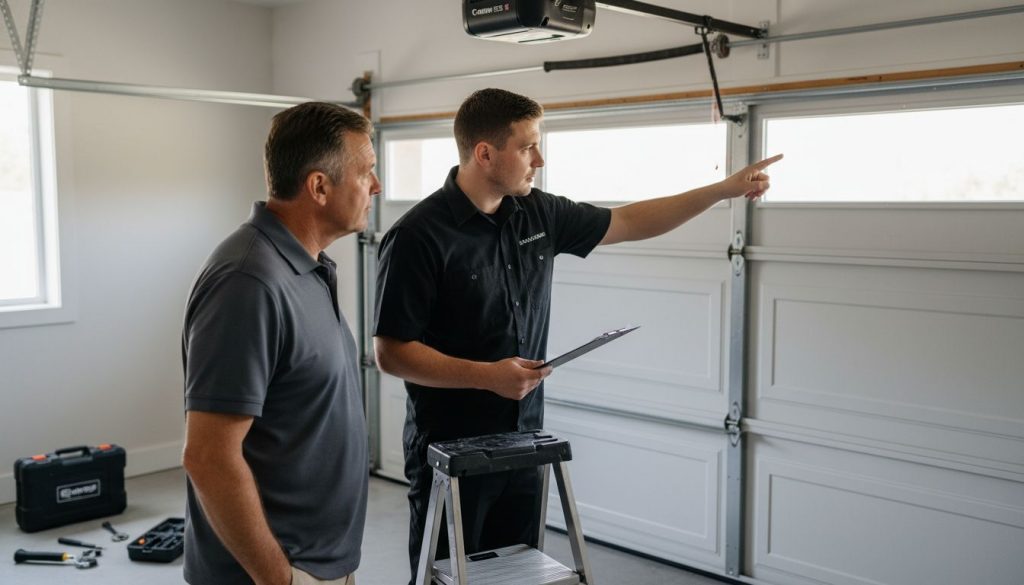
Did you know that garage doors cycle over 1,500 times a year in most homes? When a system works so hard, even the smallest issue can lead to major headaches or safety concerns. Understanding how your garage door operates helps you avoid surprises and spot problems before they become costly repairs. With the right knowledge, you can keep your door moving smoothly and your home secure every day.
Table of Contents
- Understanding Garage Door Systems And Functions
- Common Garage Door Problems Explained
- Diagnostic Steps For Malfunctioning Doors
- Safety Tips And When To Call Experts
- Preventive Maintenance And Avoiding Costly Repairs
Key Takeaways
| Point | Details |
|---|---|
| Understanding Components | Garage doors consist of essential parts like springs, rollers, and motors that work together for functionality and safety. Regular inspection and maintenance extend their life and performance. |
| Identifying Common Issues | Broken springs, misaligned tracks, and malfunctioning sensors are prevalent problems that can lead to safety risks and operational failures if not addressed promptly. |
| Diagnostic Procedures | Systematic diagnosis through balance tests and hardware inspections is crucial for early problem identification, helping to prevent costly repairs. |
| Preventive Maintenance | Regular lubrication and inspections are vital to maintaining the garage door’s reliability, reducing the likelihood of unforeseen mechanical issues. |
Understanding Garage Door Systems and Functions
Garage doors represent complex mechanical systems that seamlessly integrate multiple components to provide secure and convenient access to your home or workspace. According to research from University of Nebraska-Lincoln’s Engineering Research Commons, these systems operate through a sophisticated combination of critical mechanical parts working in precise coordination.
Springs form the fundamental counterbalancing mechanism of garage door systems. These powerful tension devices offset the door’s substantial weight, enabling smooth vertical movement during opening and closing cycles. Without properly functioning springs, homeowners would struggle to manually lift or mechanically operate their garage doors. Typically, residential garage doors utilize two primary spring types: torsion springs mounted horizontally above the door opening and extension springs positioned vertically alongside the door tracks.
Understanding Garage Door Safety Features for Homeowners becomes crucial when examining how these mechanical systems function. The complete system includes several interconnected components: door panels, tracking mechanisms, rollers, cables, and motorized opener units. Rollers and cables work in tandem to guide the door’s movement along precisely aligned tracks, ensuring smooth and controlled vertical transitions. The opener mechanism provides automated functionality, translating electrical signals into mechanical motion that raises and lowers the door with remarkable precision.
Understanding these intricate systems helps homeowners appreciate the engineering behind their garage doors. Regular inspection and maintenance of these components can prevent unexpected failures, extend system longevity, and maintain optimal performance. By recognizing how each part contributes to the overall functionality, you can proactively address potential issues before they escalate into more significant mechanical problems.
Common Garage Door Problems Explained
Garage doors, despite their seemingly simple operation, can experience a range of mechanical issues that compromise their functionality and safety. According to research from Garage Technology Resources, homeowners frequently encounter several critical problems that require prompt attention and professional intervention.
Broken springs represent one of the most significant and potentially dangerous garage door malfunctions. These critical components bear the entire weight of the door, and when they fail, they can cause sudden and unpredictable door movements. Common signs of spring failure include uneven door lifting, visible gaps or stretching in the spring mechanism, and unusual grinding or scraping noises during operation. Homeowners should never attempt to replace springs independently, as the high tension can lead to serious personal injury.
Why Garage Doors Get Stuck highlights several additional mechanical challenges. Track misalignment is another prevalent issue that can severely impact door performance. Misaligned tracks cause the door to move unevenly, create excessive friction, and potentially damage rollers and other connected components. Symptoms include visible gaps between the rollers and track, unusual scraping sounds, and the door becoming stuck midway during opening or closing.
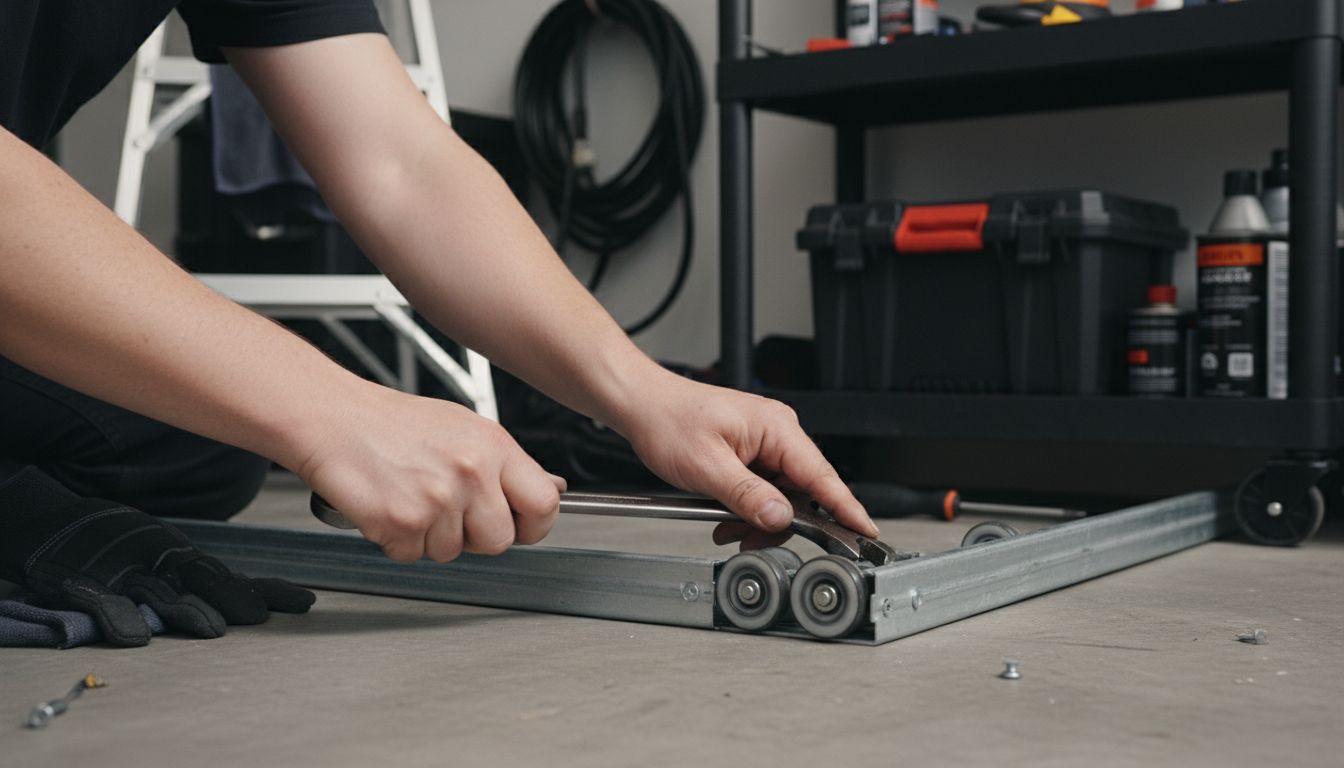
Other frequent garage door problems include malfunctioning sensors, worn-out rollers, and electrical opener issues. These problems can manifest through intermittent door movement, complete failure to open or close, or unexpected reversals. Regular maintenance and professional inspection can help identify these issues early, preventing more extensive and costly repairs. By understanding these common problems, homeowners can take proactive steps to maintain their garage door’s reliability, safety, and long-term performance.
Here’s a comparison of common garage door problems and their main signs:
| Problem | Main Signs and Symptoms |
Safety Risk |
|---|---|---|
| Broken Springs | Uneven lifting Noise Gaps/Stretching |
High Door may fall |
| Track Misalignment | Door stuck Scraping sounds Roller gaps |
Moderate Possible derail |
| Malfunctioning Sensors | Door won’t close Intermittent movement |
Moderate Auto-reverse fails |
| Worn-Out Rollers | Noisy operation Jerky movement |
Low Premature wear |
| Opener Electrical Issue | No response Partial operation Reversals |
Moderate Unexpected motion |
Diagnostic Steps for Malfunctioning Doors
Diagnosing garage door issues requires a systematic and careful approach to ensure both safety and effective problem resolution. According to research from Doors Professional Association, homeowners should begin with a comprehensive visual inspection of critical mechanical components to identify potential problems before they escalate.
The first crucial diagnostic step involves conducting a balance test. Disconnect the automatic opener and manually lift the door halfway. A properly balanced door should remain in place without falling or rising. If the door drops or shoots upward, this indicates spring tension problems that require immediate professional attention. Understanding Common Garage Door Issues and Solutions recommends paying close attention to these subtle mechanical indicators.
Next, perform a detailed hardware and safety inspection. Check all components for signs of wear, including:
- Rollers and hinges for smooth, silent movement
- Cables for fraying or visible damage
- Track alignment and potential obstructions
- Tightness of all mounting bolts and connections
The final diagnostic phase involves testing critical safety mechanisms. Activate the auto-reverse feature by placing a small object in the door’s path during closing. A functioning system should immediately stop and reverse direction. Unusual sounds, jerky movements, or resistance during these tests can signal underlying mechanical issues that demand professional evaluation. By systematically working through these diagnostic steps, homeowners can identify potential problems early, preventing more extensive and costly garage door repairs.
Safety Tips and When to Call Experts
Garage door safety requires a proactive and vigilant approach to prevent potential accidents and injuries. According to research from the Doors Professional Association, homeowners must implement critical safety practices to protect themselves and their families from potential mechanical hazards.
Child safety is paramount when dealing with garage door systems. Keep remote controls and wall-mounted opener buttons out of children’s reach, and educate family members about the potential dangers of playing near or operating the garage door. Never allow children to stand near or play with the door during operation, and supervise their interactions with the garage door mechanism at all times. Understanding Garage Door Safety Features for Homeowners emphasizes the importance of creating a safe environment around this powerful mechanical system.
Knowing when to call professional experts is crucial for maintaining your garage door’s safety and functionality. Immediate professional intervention is necessary when you observe:
- Unusual grinding or scraping noises during door operation
- Visible damage to springs, cables, or tracks
- Doors that fail the balance test or auto-reverse safety mechanism
- Any electrical issues with the opener system
- Persistent jerky or uneven door movement
Regular maintenance is your first line of defense against potential garage door failures. Perform monthly visual inspections, test safety features quarterly, and schedule professional maintenance annually. When in doubt about the severity of an issue, always consult a trained garage door technician. These professionals can identify and resolve potential problems before they escalate into more serious and costly repairs, ensuring the long-term safety and reliability of your garage door system.
Preventive Maintenance and Avoiding Costly Repairs
Preventive maintenance is the key to extending the life of your garage door system and avoiding expensive unexpected repairs. According to research from the Doors Professional Association, homeowners can significantly reduce potential mechanical issues through consistent and strategic maintenance practices.
Lubrication plays a critical role in maintaining your garage door’s smooth operation. Apply a high-quality silicone-based lubricant to rollers, hinges, and tracks every six months to reduce friction and prevent premature wear. Garage Door Repairs in Seattle recommends paying special attention to metal components that experience constant movement and stress.
A comprehensive preventive maintenance routine should include:
- Monthly visual inspections of all mechanical components
- Checking and tightening hardware connections
- Testing the door’s balance and auto-reverse safety mechanism
- Cleaning tracks and removing debris
- Inspecting weather stripping for damage or wear
- Listening for unusual sounds during door operation
Consistent maintenance is more than just a series of tasks. It’s an investment in your home’s functionality and safety. By dedicating a small amount of time to regular checks and addressing minor issues promptly, you can prevent catastrophic failures that could result in costly full system replacements. Professional annual inspections complement your personal maintenance efforts, ensuring that complex mechanical issues are identified and resolved before they become major problems.
Get Expert Help for Your Garage Door Troubleshooting Needs
If you are dealing with issues like broken springs, track misalignment, or malfunctioning sensors it can be stressful and even risky trying to fix these problems yourself. Your garage door is a complex system that needs precise care to keep it operating safely and smoothly. The key is understanding when to move beyond DIY and get professional support to avoid injury and costly damages.

Trust Summit Garage Doors to provide expert repairs and maintenance tailored to your needs in the Greater Seattle area. Our skilled technicians specialize in fixing common garage door problems quickly and safely so you can regain peace of mind. Don’t wait until a minor issue becomes a major headache. Visit Summit Garage Doors now and discover how our team can help you keep your garage door balanced, secure, and running perfectly. Let us handle the challenge so you can enjoy the comfort and safety of a perfectly functioning garage door.
Frequently Asked Questions
How do I know if my garage door springs are broken?
Common signs of broken springs include uneven lifting of the door, visible gaps or stretching in the spring mechanism, and unusual grinding or scraping noises during operation. Never attempt to replace springs on your own due to the high tension involved.
What are the main reasons a garage door might get stuck?
A garage door may get stuck due to track misalignment, obstruction in the track, or malfunctioning sensors. Symptoms of track misalignment include unusual scraping sounds and gaps between the rollers and the track.
How can I perform a balance test on my garage door?
To conduct a balance test, disconnect the automatic opener and manually lift the door halfway. A properly balanced door should stay in place without dropping or rising. If it moves significantly, this indicates spring tension issues that need professional evaluation.
What maintenance should I perform to prevent garage door problems?
Regular maintenance includes monthly visual inspections, lubrication of moving parts every six months, checking hardware tightness, and testing the auto-reverse safety feature. Addressing minor issues promptly can prevent costly repairs down the line.
Recommended
- Garage Door Repairs in Seattle | Summit Garage Door
- #1 Garage Door Repairs in King County – Call Us Now!
- Understanding Why Garage Doors Won’t Open – Summit Garage Doors | Seattle’s #1 Garage Door Repair & Installation
- Understanding Why Garage Door Won’t Close: Key Causes – Summit Garage Doors | Seattle’s #1 Garage Door Repair & Installation

