
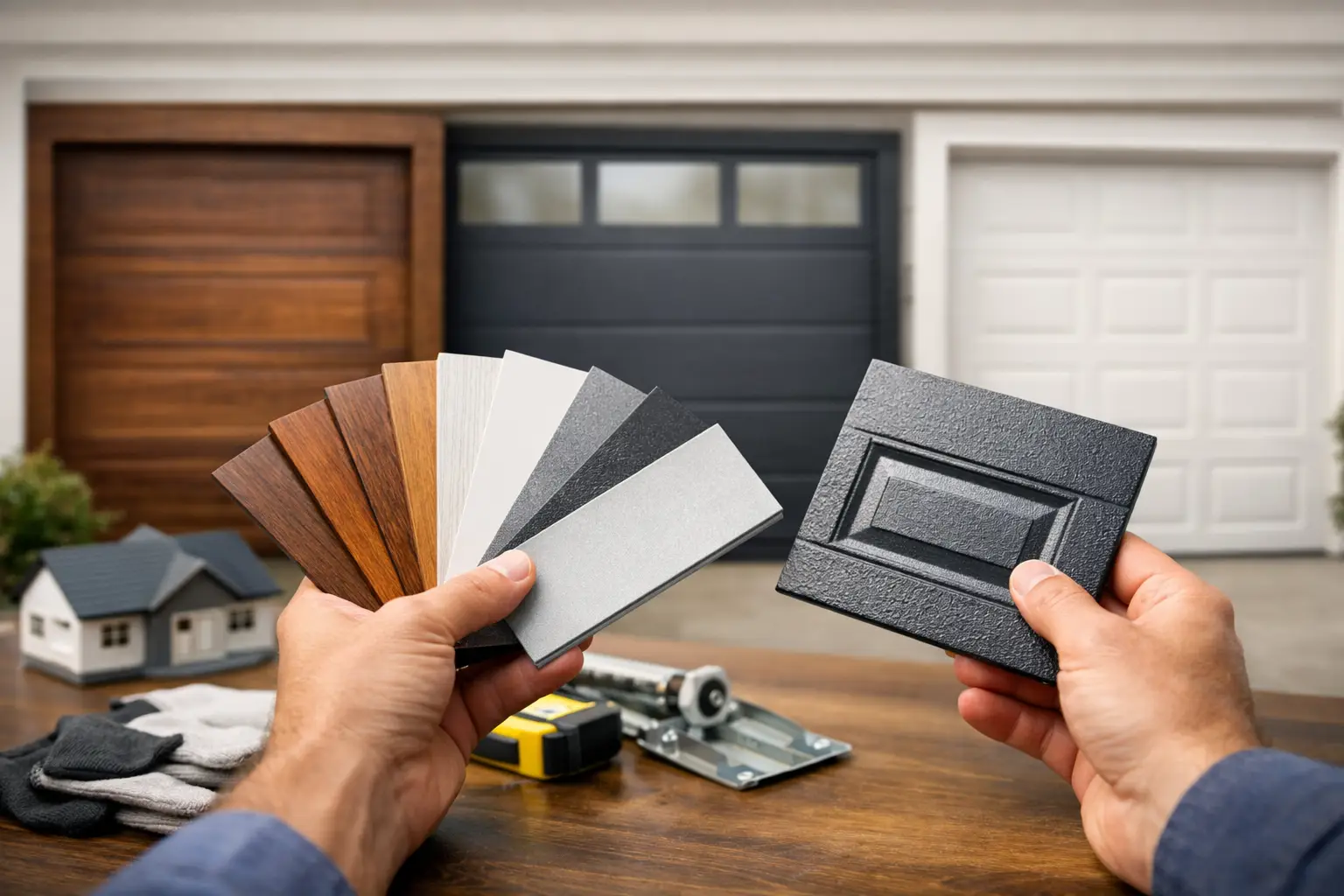
A garage door can look great in a showroom and still be the wrong choice for your home. The material affects how the door handles weather, dents, noise, insulation, maintenance, and long-term cost. If you are wondering how to choose garage door material, the right answer usually comes down to how you use your garage, what kind of climate your door faces, and how much upkeep you are willing to take on.
For many homeowners, the decision starts with appearance and ends with regret. A beautiful wood door may demand more maintenance than expected. A lower-cost steel door may be perfect for one household and too prone to dents for another. The goal is not to find the best material on paper. It is to choose the one that fits your property, your routine, and your budget.
How to Choose Garage Door Material for Real Life
Before you compare steel, wood, aluminum, fibreglass, or vinyl, think about what your garage door has to do every day. Some households use the front door once and the garage door six times. Some garages are heated workshops. Others are mainly for storage. Those details matter because the material you choose will shape performance just as much as the opener or spring system.
Start with four practical questions. Do you need strong insulation? Is low maintenance a priority? How important is curb appeal? And how much wear will the door take from kids, bikes, vehicles, or business use? Once those are clear, the options become easier to narrow down.
Steel garage doors: practical and dependable
Steel is the most common choice for a reason. It is affordable, durable, widely available, and works with a broad range of home styles. You can get clean modern panels, carriage-house looks, and woodgrain finishes without paying for real wood. For homeowners who want a balance of performance and value, steel is often the safest bet.
Another advantage is insulation. Many steel doors are available with insulated cores, which can make a real difference if your garage is attached to the home or used as a workspace. In wetter climates, that added thermal performance can improve comfort and energy efficiency.
The trade-off is denting and rust. Steel can handle daily use well, but thinner panels may dent if they get hit. If the finish is scratched and left exposed, rust can become a problem over time. Thicker-gauge steel costs more, but it usually holds up better and feels more solid in operation.
Wood garage doors: high curb appeal, higher upkeep
Wood has a look that other materials still try to imitate. It adds warmth, character, and custom appeal that works especially well on heritage homes, craftsman homes, and upscale properties. If design is your top priority, wood is hard to ignore.
But wood asks more from the owner. It needs regular finishing or repainting to protect against moisture, sun exposure, and seasonal movement. Without proper care, it can warp, crack, or rot. That does not make wood a bad option. It just means it is best for homeowners who know what they are signing up for.
Wood doors also tend to be heavier, which affects the hardware, spring setup, and long-term wear on moving parts. If you love the wood look but want less maintenance, a steel door with a woodgrain finish may give you most of the visual appeal with fewer demands.
Aluminum and glass: clean lines, lighter weight
Aluminum garage doors are popular on modern homes because they offer a sleek, contemporary look. They are also lightweight and naturally resistant to rust, which can be helpful in damp environments. Full-view aluminum and glass doors are especially attractive if you want a bright, architectural finish.
That said, aluminum is generally softer than steel. It can dent more easily, which matters if the door will see frequent impact or rough use. Depending on the glass and frame configuration, insulation may also be weaker than on a well-built insulated steel door.
For the right property, aluminum looks sharp and performs well. It is just not usually the first choice where toughness matters more than appearance.
Fibreglass and vinyl: low maintenance with limits
Fibreglass and vinyl appeal to homeowners who want a door that resists moisture and needs less upkeep. Fibreglass can mimic wood grain reasonably well and does not rust. Vinyl is durable against minor bumps and is often chosen for households that want something easy to live with.
These materials can work well, but they are not always the best fit for every market or design goal. Some fibreglass doors may become brittle with age or exposure, and vinyl may offer fewer style options than steel or wood. Depending on the product, insulation and structural rigidity can also vary.
If your top priority is minimal maintenance, they are worth considering. Just be sure you are not giving up too much in appearance, strength, or long-term availability of parts and matching panels.
Insulation matters more than many people think
One of the biggest mistakes people make when deciding how to choose garage door material is focusing only on the outer finish. Insulation can matter just as much, especially for attached garages. A poorly insulated door can make the space colder, noisier, and less efficient.
If the garage shares walls with living space, has a room above it, or gets used as a gym, workshop, or entry point, an insulated door is usually worth the extra cost. In the Seattle area, where cool, wet weather is part of normal life, insulation can help with comfort and moisture control.
Material and insulation often go together. Steel commonly offers the strongest range of insulated options. Wood has some natural insulating value, but performance depends on construction. Aluminum and glass can be less efficient unless upgraded models are chosen.
Maintenance is not just about effort, but cost
Every garage door needs service eventually, but some materials ask for much more routine attention than others. Steel is generally easy to maintain with cleaning and occasional touch-ups. Aluminum is also relatively simple to care for. Wood requires the most ongoing work if you want it to keep looking good and stay protected.
That maintenance has a cost, even if you do it yourself. Paint, stain, refinishing, and repairs add up. So does neglect. A door that is not maintained properly can wear out faster, which means replacement comes sooner than expected.
For many homeowners, the best long-term value is not the cheapest door. It is the one that gives solid performance without constant upkeep.
Match the material to the home and the use
A garage door is a large part of your home’s exterior, so material should work with the style of the property. A modern glass and aluminum door may look excellent on one home and completely out of place on another. A traditional raised-panel steel door may suit most houses well, but it may not deliver the custom look some owners want.
Function matters just as much. If your garage door opens several times a day, stores expensive tools, or serves as a primary entrance, durability and reliable operation should lead the decision. If it is part of a high-visibility renovation, appearance may carry more weight.
This is where honest advice makes a difference. At Summit Garage Doors, material recommendations are often less about trends and more about how the door will perform after years of daily use.
Budget now versus budget later
Garage door material affects upfront price, but it also shapes long-term value. Wood usually costs more to buy and maintain. Steel offers one of the widest price ranges, from economical to premium insulated models. Aluminum and glass can move into higher price points quickly depending on design. Vinyl and fibreglass sit in the middle on many projects, though availability and quality can vary.
The key is to think beyond the installation quote. A lower-cost door that dents easily, insulates poorly, or needs replacement sooner may not save money over time. A slightly higher investment in the right material can pay off in durability, efficiency, and fewer service issues.
A smart way to make the final choice
If you want the shortest path to a good decision, narrow your options this way. Choose steel if you want versatility, solid value, and good insulation. Choose wood if premium appearance matters most and you are prepared for maintenance. Choose aluminum if you want a lighter, modern look and rust resistance. Choose fibreglass or vinyl if low upkeep is your priority and the style options suit your home.
Then look at the specifics: insulation level, panel thickness, finish quality, warranty coverage, and how the door will actually be used. Material is the foundation, but construction quality matters too.
A garage door should not become another project you regret six months later. The best choice is the one that fits your weather, your habits, and your expectations from day one.

