
A cold garage has a way of making itself known fast. You feel it when the car is freezing in the morning, when the room above the garage never stays comfortable, or when every door rattle sounds louder than it should. That is usually when insulated garage door benefits stop sounding optional and start feeling practical.
For many property owners, the garage door is one of the largest moving parts on the building and one of the biggest surface areas facing the weather. If that door is thin, dated, or poorly sealed, it can affect comfort, energy use, noise levels, and even how long the door system lasts. An insulated model does not solve every garage problem, but in the right home or commercial setting, it can make a noticeable difference.
What insulated garage door benefits actually mean
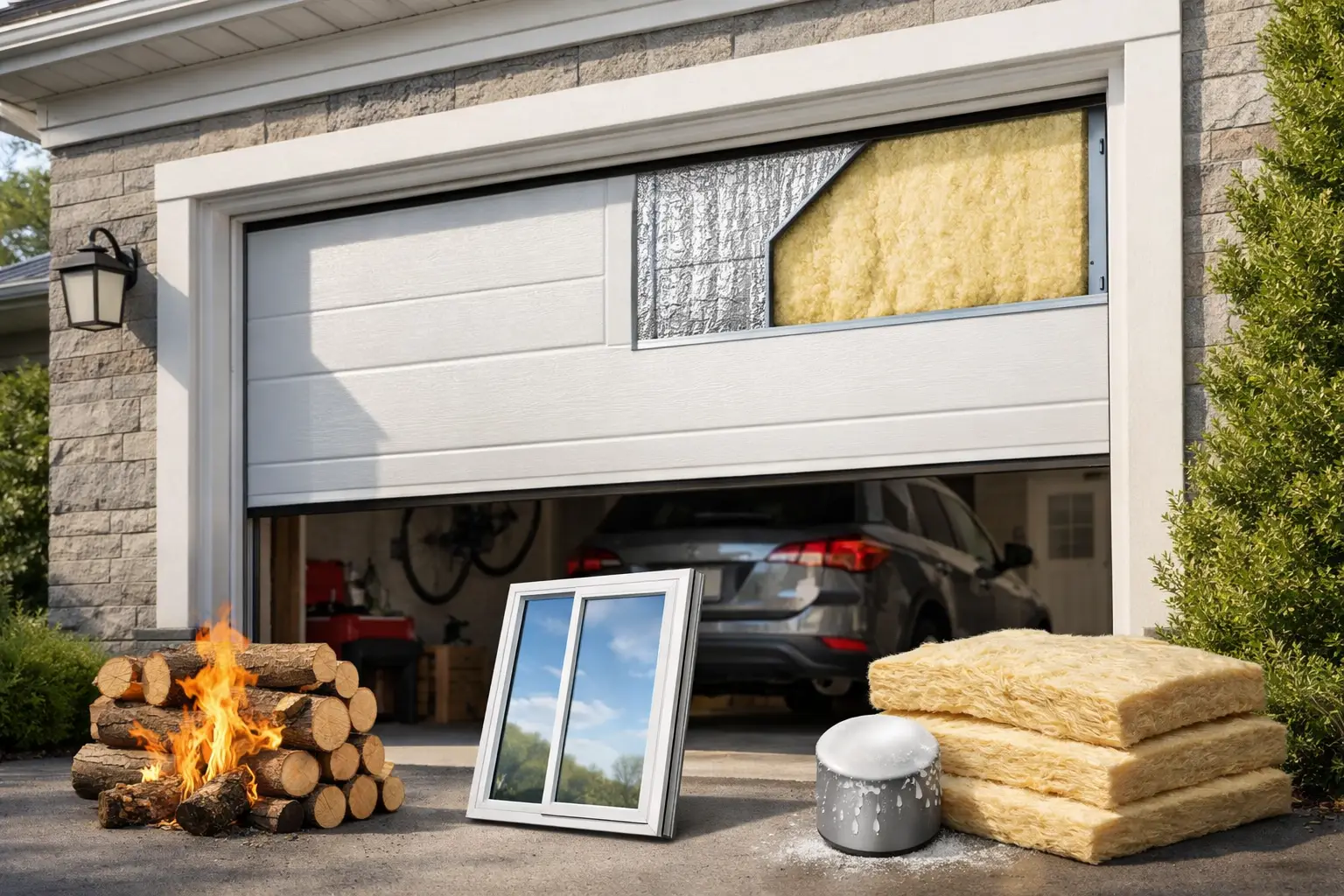
An insulated garage door is built with layers. Instead of a single sheet of steel or aluminium, it typically includes insulation material between panels, often polystyrene or polyurethane. That added layer changes how the door handles temperature, sound, and daily wear.
The biggest misunderstanding is that insulation only matters if you heat the garage full time. In reality, many insulated garage door benefits show up even when the space is not treated like a finished room. If your garage shares walls with the house, sits below a bedroom, stores temperature-sensitive items, or gets used as a workshop, insulation can help create a more stable and usable space.
Better temperature control where it counts
One of the clearest reasons people upgrade is comfort. A non-insulated garage door does very little to slow down outside temperatures. In cooler, damp climates, that can leave the garage uncomfortably cold and can also affect nearby rooms.
An insulated door helps reduce heat transfer. That does not mean your garage will stay warm on its own in winter or cool during a heat wave without any other support. It does mean the space is less exposed to rapid temperature swings. For attached garages, that buffer can be especially valuable because the garage sits right against the rest of the home.
If there is a bedroom over the garage, this matters even more. Homeowners often notice that room is harder to keep comfortable year-round. The garage door is not the only factor, but replacing an uninsulated door with an insulated one can be part of a meaningful improvement.
Lower energy loss in attached garages
Energy savings should be discussed honestly. An insulated garage door can help reduce energy loss, but the payoff depends on the building. If the garage is detached and unconditioned, the direct savings may be modest. If it is attached, has insulated walls, or includes a laundry area, mudroom, or adjacent living space, the benefits are usually stronger.
Air movement and heat transfer from the garage can put extra pressure on your home’s heating system. An insulated door helps reduce that load, particularly when paired with good weather seals and proper installation. In many cases, the real benefit is not one dramatic drop in utility bills but steadier indoor comfort and less strain on the areas closest to the garage.
That is why the door itself should never be viewed in isolation. The quality of the perimeter seal, the condition of the bottom rubber, and the fit of the panels all affect performance. A well-installed insulated door generally does far more than a premium door installed poorly.
Quieter operation inside and outside
Noise is one of the most overlooked insulated garage door benefits. Thicker, layered doors tend to vibrate less than thin single-layer models. That can reduce the rattling and echo that make older doors sound harsh during operation.
This matters if the garage is beneath a living space, attached to a main hallway, or used early in the morning when everyone else is asleep. It also matters on busy properties where garage access happens many times a day. While rollers, hinges, tracks, and the opener all contribute to noise, the door itself plays a major part.
An insulated door can also help reduce outside noise entering the garage. It will not soundproof the space, but it may soften street noise, wind noise, or neighbourhood activity enough to make the garage more comfortable as a workspace or storage area.
Stronger panels and better durability
Many insulated garage doors are built with a sturdier multi-layer design. That added structure helps the panels resist dents, flexing, and general wear better than lighter single-layer options.
For households with frequent use, bikes, tools, bins, and the occasional accidental bump from a vehicle or sports equipment, durability matters. A stronger door tends to hold its shape better over time, which can support smoother operation and a cleaner appearance.
This is also where long-term value comes in. A garage door is used repeatedly through every season. Choosing a door with more structural integrity can reduce the likelihood of premature panel damage and may help protect other components from the stress caused by a door that flexes too much.
Improved curb appeal without sacrificing function
A lot of customers start with performance concerns and end up realizing appearance matters too. New insulated doors are available in a wide range of styles, colours, window layouts, and finishes. You do not have to choose between a door that looks good and one that performs well.
For homeowners replacing a dated door, this can be one of the smartest exterior upgrades on the property. The garage door takes up significant visual space on many homes. Updating it can sharpen the entire front elevation while also improving day-to-day function.
For commercial properties, the same idea applies in a different way. A cleaner, more substantial-looking door can support a more professional appearance while offering better reliability and comfort in the space behind it.
When insulated garage door benefits are worth the upgrade
Not every property needs the highest insulation rating available. The right choice depends on how the garage is built and how you use it.
If the garage is attached to the house, used as a workshop, located under living space, or opened often throughout the day, insulation is usually worth serious consideration. If you store paint, tools, equipment, or other items affected by temperature swings, that is another good reason to upgrade.
If the garage is fully detached and used only for basic parking, a non-insulated door may still be adequate, especially if budget is the main concern. But even then, some owners still choose insulation for the quieter operation, stronger construction, and more finished feel.
This is where honest guidance matters. The best door is not always the most expensive model. It is the one that fits the building, usage, and budget without overselling features you do not need.
Pay attention to more than the R-value
People shopping for a new door often focus on R-value, which measures thermal resistance. It is useful, but it is not the whole story. The insulation type, door construction, panel thickness, and seal quality all influence real-world performance.
Polyurethane-filled doors often provide higher insulation values and a more rigid structure than polystyrene-insulated options. That can be a strong fit for customers who want better thermal performance and durability. Still, a mid-range insulated door installed correctly can outperform a higher-rated door with poor sealing or alignment problems.
It also helps to consider the rest of the system. If the tracks are out of alignment, the opener is struggling, or the weatherstripping is worn out, the door will not perform at its best. A proper assessment looks at the full picture, not just the product sheet.
Installation quality makes the difference
Even the best insulated door can disappoint if it is installed poorly. Gaps around the frame, uneven panel movement, weak hardware, or an opener that is not matched properly can undermine the benefits you paid for.
That is why professional installation matters. A trained technician will look at the opening, confirm the fit, check balance and spring sizing, inspect track condition, and make sure the door seals properly when closed. For replacement projects, this is also the right time to review worn rollers, hinges, and opener performance.
For property owners in the Seattle area dealing with a failing door or planning an upgrade, working with an experienced local company such as Summit Garage Doors can help you sort out what is actually worth investing in and what is not.
A better garage starts with the door you use every day
The best upgrades are the ones you notice without having to think about them. A garage that feels less cold, runs more quietly, protects the space better, and looks sharper from the street is easier to live with every single day. If your current door is thin, noisy, or struggling through the seasons, an insulated replacement may be one of the most practical improvements you can make.

