
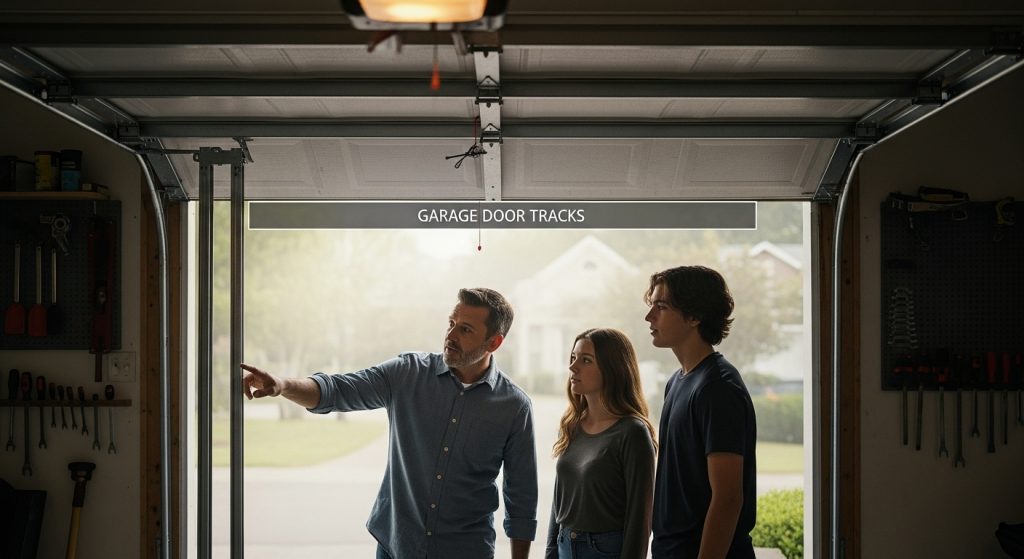
Garage door tracks might look simple but their design is anything but basic. Most people do not realize that these tracks are built to support hundreds of pounds every single time your garage door opens or closes. What surprises many is that such a strong system does much more than just hold up the door. Your garage security, smooth movement, and even home safety quietly depend on these hidden metal guides.
Table of Contents
- Defining Garage Door Tracks: Components And Purpose
- The Importance Of Garage Door Tracks In Home Security
- How Garage Door Tracks Function In The System
- Key Types Of Garage Door Tracks And Their Applications
- Common Issues With Garage Door Tracks And Solutions
Quick Summary
| Takeaway | Explanation |
|---|---|
| Regular Maintenance is Crucial | Schedule consistent inspections and maintenance for optimal garage door track functionality. |
| Track Integrity Affects Security | Strong, properly installed tracks prevent unauthorized access and reinforce home security. |
| Misalignment Causes Operational Issues | Track misalignment leads to uneven door movement and may damage rollers and panels. |
| Different Tracks for Different Needs | Choose the right track type based on your garage’s architecture and door weight. |
| Wear and Tear Can Escalate Problems | Be alert to signs of rust or debris to avoid significant track failures. |
Defining Garage Door Tracks: Components and Purpose
Garage door tracks are critical mechanical components that guide and support the movement of garage doors during opening and closing operations. These precision-engineered pathways enable smooth, controlled vertical and horizontal transitions for garage door panels, ensuring reliable performance and longevity of the entire garage door system.
The Essential Structure of Garage Door Tracks
Garage door tracks are typically constructed from durable metal materials like galvanized steel or aluminum, designed to withstand significant weight and repeated mechanical stress. Professional garage door installations rely on these tracks to provide stable support and precise movement for door panels.
The track system consists of several key components:
- Vertical tracks installed along the sides of the garage door opening
- Horizontal tracks that curve and run parallel to the ceiling
- Track mounting brackets securing the tracks to walls and ceiling
- Rollers that move smoothly within the track channels
How Garage Door Tracks Function
As garage doors move, rollers ride inside the track channels, transforming vertical lifting motion into horizontal storage.
When the door closes, rollers transition from vertical side tracks to horizontal overhead tracks, creating a seamless mechanical movement. This intricate design allows heavy garage doors to move efficiently with minimal friction and maximum structural integrity.
The precision engineering of garage door tracks ensures:
- Consistent door alignment
- Reduced mechanical wear
- Smooth operational performance
- Enhanced safety during door movement
Understanding the complexity of garage door tracks highlights their fundamental role in creating a reliable, functional garage door system that homeowners can depend on for years of trouble-free operation.
The Importance of Garage Door Tracks in Home Security
Garage door tracks play a critical role beyond mechanical movement, serving as a foundational element in protecting residential properties from potential security breaches. While many homeowners overlook their significance, these precision-engineered components are instrumental in preventing unauthorized entry and maintaining structural integrity.
Structural Barriers Against Intrusion
Garage door tracks are more than simple metal guides they represent a primary defensive barrier against potential home invasions. When properly installed and maintained, these tracks prevent criminals from easily lifting or manipulating garage doors. Expert Seattle garage door installation professionals understand that robust track systems create significant resistance against forced entry attempts.
Key security features inherent in well-designed garage door tracks include:
- Resistance to lateral movement
- Precise roller alignment preventing panel displacement
- Reinforced mounting points that distribute structural stress
- Minimal gaps between tracks and door panels
Preventing Unauthorized Access Points
According to security research, garage doors represent one of the most vulnerable entry points for residential break-ins. Compromised or weak tracks can provide criminals with opportunities to manipulate door mechanisms, potentially creating unauthorized access. Homeowners must recognize that track integrity directly correlates with overall home security effectiveness.
Compromised track systems expose properties to significant risks:
- Easier manual door lifting
- Increased vulnerability to prying techniques
- Potential structural weakening over time
- Reduced resistance against physical manipulation
Proactive maintenance and regular professional inspections of garage door tracks are essential strategies for maintaining robust home security. By understanding the critical role these components play, homeowners can take meaningful steps to protect their properties and loved ones from potential security threats.
How Garage Door Tracks Function in the System
Garage door tracks operate as a sophisticated mechanical system that transforms vertical lifting motion into controlled horizontal movement. This intricate process involves precise engineering and multiple interconnected components working seamlessly to enable smooth door operation.
Mechanical Movement Principles
The fundamental mechanism of garage door tracks relies on a carefully designed pathway that guides door panels through different planes of motion. When a garage door opener activates, rollers within the track channels begin their synchronized journey, transitioning from vertical side tracks to horizontal overhead tracks. Professional garage door repairs teams understand the complex dynamics that enable this precise movement.
Key mechanical principles driving track functionality include:
- Gravity management through strategic track curvature
- Precise roller alignment and weight distribution
- Controlled friction reduction between moving parts
- Balanced tension across track segments
Energy Transfer and Motion Conversion
Garage door tracks essentially function as energy conversion systems. As the door opener generates mechanical force, the tracks transform this energy into predictable, controlled movement. Vertical tracks initially support the door’s weight during lifting, while horizontal tracks enable compact storage by redirecting the door panel parallel to the ceiling.
Critical components involved in this energy transfer process include:
- Torsion springs providing counterbalance force
- Rollers translating linear motion
- Track curves managing directional changes
- Mounting brackets stabilizing structural integrity
Understanding the complex interactions within garage door track systems reveals the remarkable engineering that enables seemingly simple up and down door movements. Each component plays a crucial role in creating a reliable, efficient mechanical system that homeowners rely on daily.
Key Types of Garage Door Tracks and Their Applications
Garage door tracks are not a one-size-fits-all solution. Different residential and commercial environments require specialized track configurations designed to accommodate unique architectural constraints, door weights, and operational requirements. Understanding these variations helps homeowners and property managers select the most appropriate track system.
Residential Track Configurations
Residential garage door tracks are typically designed for standard single and double-car garage spaces. These tracks must balance smooth operation, durability, and aesthetic integration with home architectural styles. Commercial garage door services professionals recognize that residential track systems demand precision engineering tailored to specific home designs.
Key residential track varieties include:
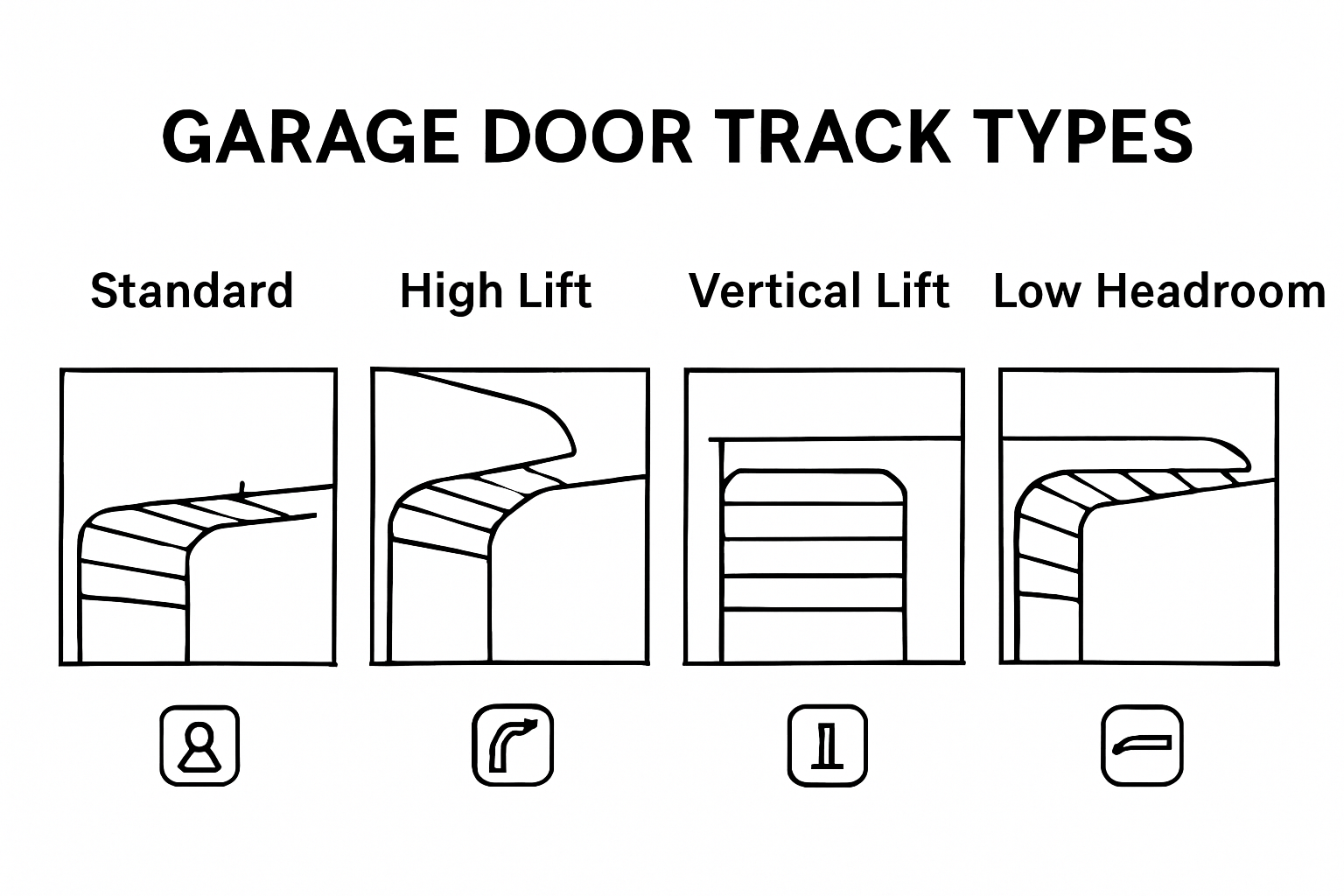
- Standard lift tracks for traditional vertical door movements
- High lift tracks for garages with increased ceiling heights
- Vertical lift tracks for spaces with limited horizontal clearance
- Low headroom tracks for compact garage configurations
Commercial and Industrial Track Specifications
Commercial and industrial environments require more robust track systems capable of managing heavier doors and more frequent operational cycles. These tracks are engineered to withstand intense usage, extreme temperatures, and substantial weight loads. Unlike residential systems, commercial tracks must provide enhanced durability and consistent performance under challenging conditions.
Characteristics of commercial track systems include:
- Reinforced steel construction
- Wider track profiles for increased load capacity
- Advanced roller bearing mechanisms
- Corrosion-resistant surface treatments
Selecting the appropriate garage door track involves careful consideration of architectural constraints, door weight, operational frequency, and environmental factors. By understanding these nuanced track configurations, property owners can ensure optimal garage door performance and longevity.
The following table summarizes the main types of garage door tracks mentioned in the article and their most suitable applications for residential and commercial settings.
| Track Type | Description | Typical Application |
|---|---|---|
| Standard Lift | Traditional vertical to horizontal track transition | Most residential garages |
| High Lift | Extra vertical before the horizontal turn | Garages with high ceilings |
| Vertical Lift | Entirely vertical, no horizontal track | Spaces with minimal clearance |
| Low Headroom | Compact curve for tight spaces | Garages with low ceilings |
| Reinforced Commercial | Heavy-duty steel, wider profile, advanced rollers | Industrial/commercial garages |
Common Issues with Garage Door Tracks and Solutions
Garage door tracks, despite their robust engineering, can develop various problems that compromise their performance and safety. Understanding these common issues helps homeowners identify potential complications early and take proactive measures to maintain their garage door system’s functionality.
Misalignment and Structural Complications
Track misalignment represents one of the most frequent mechanical challenges affecting garage door operations. When tracks become slightly bent or improperly positioned, they create friction, uneven movement, and potential damage to rollers and panels. Garage door repairs in King County specialists emphasize that even minor track deviations can significantly impact overall system performance.
Common misalignment indicators include:
- Uneven door movement during opening and closing
- Visible gaps between rollers and track channels
- Scraping or grinding noises during operation
- Increased resistance when manually moving the door
Wear and Degradation Challenges
Continuous use, environmental exposure, and mechanical stress gradually deteriorate garage door tracks. Rust, accumulated debris, and metal fatigue can compromise track integrity, leading to potential system failures. Homeowners must recognize the subtle signs of track degradation to prevent more extensive damage.
Critical track wear symptoms encompass:
- Visible rust or corrosion along track surfaces
- Accumulation of dirt and debris in track channels
- Roller bearing deterioration
- Loose mounting brackets
Proactive maintenance and timely professional interventions are crucial in preventing minor track issues from escalating into significant mechanical failures.
This table outlines common issues found with garage door tracks and highlights their primary symptoms, helping homeowners recognize problems early.
| Issue | Key Symptoms | Potential Risks |
|---|---|---|
| Misalignment | Uneven movement, gaps, scraping or grinding noise | Roller and panel damage |
| Structural Complications | Increased resistance, visible gaps | Operational failure, safety issues |
| Wear and Degradation | Rust, debris, roller wear, loose brackets | Track failure, security compromise |
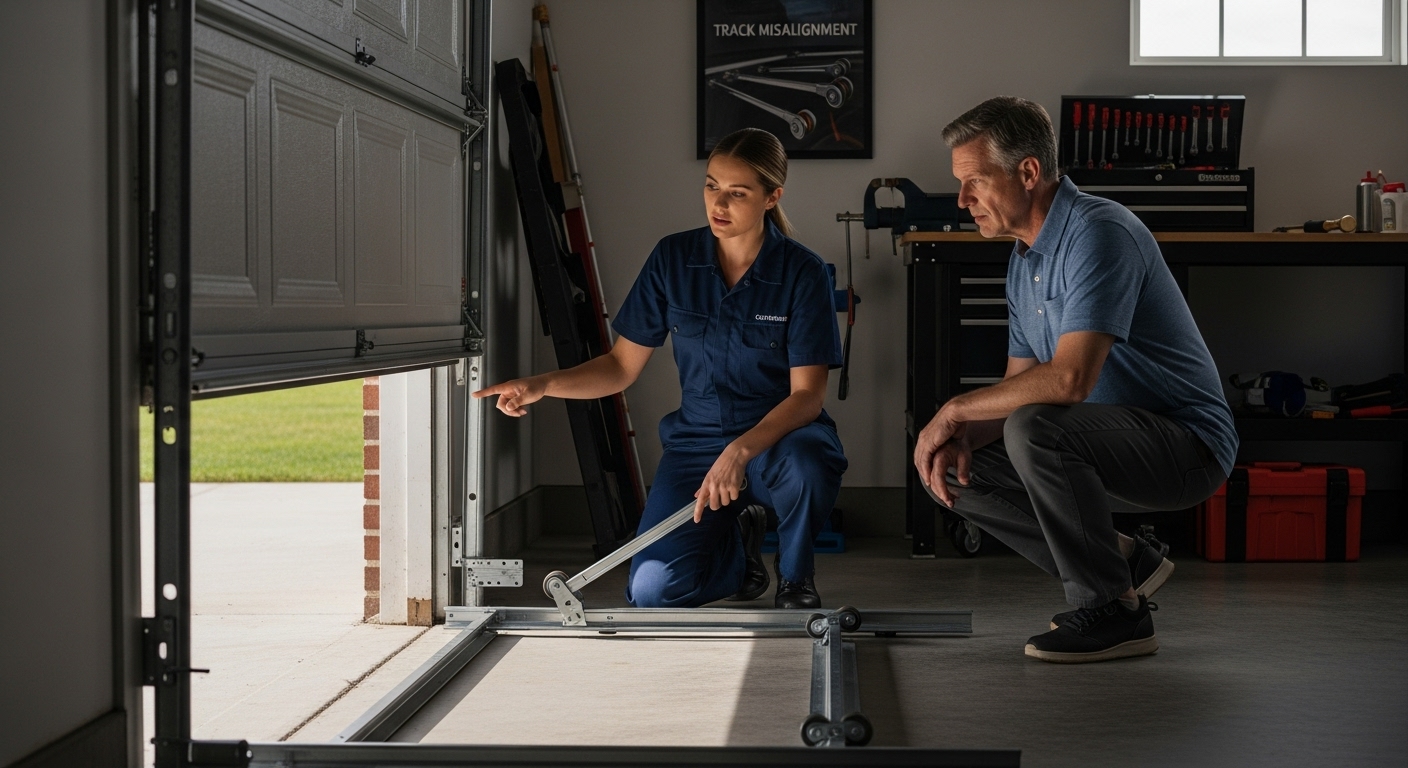 Regular inspections, proper lubrication, and addressing small problems promptly can extend the lifespan of garage door tracks and ensure reliable, safe operation.
Get Peace of Mind with Expert Garage Door Track Solutions in Seattle
Are you worried about misaligned tracks, noisy rollers, or potential security risks at home? As you learned in this article, garage door tracks are central to both your door’s reliability and your property’s security. Even small issues like track misalignment or structural wear can quickly turn into big headaches—making your garage less secure and putting your belongings at risk.

Take control of your peace of mind by choosing the team that Seattle trusts. Summit Garage Doors specializes in precise installation, thorough repairs, and long-term maintenance tailored to your unique garage door system. Our experts ensure smooth operation and strengthen your home’s defenses. Do not wait until a minor issue becomes a major problem—schedule a service appointment today and see how dedicated craftsmanship keeps your garage safe and performing at its best.
Frequently Asked Questions
What are garage door tracks?
Garage door tracks are mechanical components that support and guide the movement of garage doors during opening and closing operations, ensuring smooth, controlled transitions for the door panels.
How do garage door tracks function?
Garage door tracks operate by allowing rollers to move smoothly within their channels, converting vertical lifting motion into horizontal storage. This mechanism enables heavy garage doors to move efficiently with minimal friction.
What types of garage door tracks are available?
There are several types of garage door tracks including standard lift tracks, high lift tracks, vertical lift tracks, and low headroom tracks, each designed to accommodate different door weights and ceiling heights in residential and commercial settings.
What common issues might arise with garage door tracks?
Common issues include misalignment, which can cause friction and uneven movement, as well as wear and degradation due to continuous use and environmental exposure. Regular maintenance is essential to prevent these problems and ensure reliable operation.
Recommended
- How to Fix Garage Door Tracks: Seattle & Bellevue Guide 2025 – Summit Garage Doors | Seattle’s #1 Garage Door Repair & Installation
- Award-Winning Commercial Garage Door Installers in Seattle
- Garage Door Repairs in Seattle | Summit Garage Door
- Garage Door Cable Repair & Replacement | Fast & Reliable Service

