
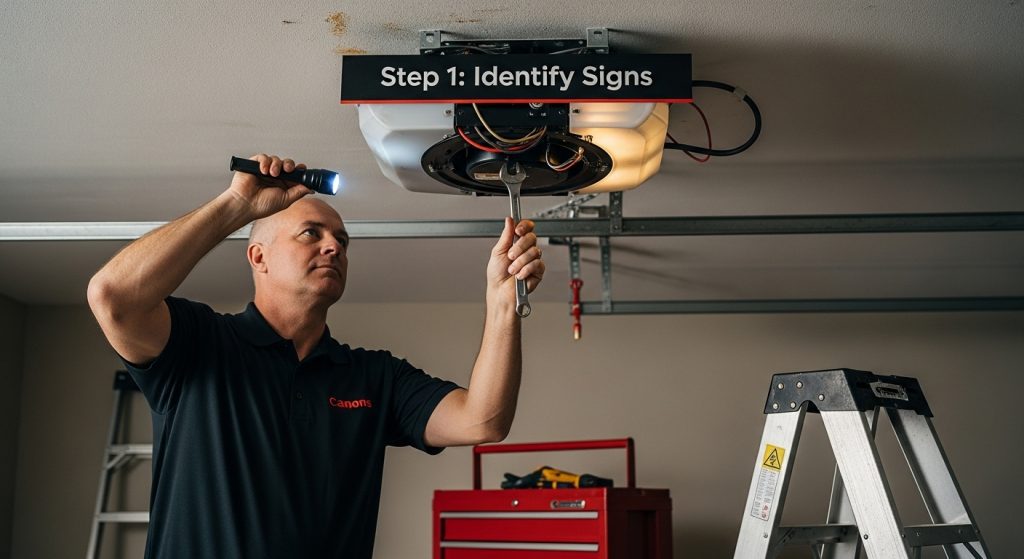
Garage door openers might seem like simple machines, yet they work hard every day keeping your home secure and giving you easy access. Think about this. Modern garage door openers easily last up to 15 years, but many older models quietly miss out on critical safety features. Here is what most people overlook: even a perfectly smooth garage door can be hiding serious faults that only show up at the worst possible time.
Table of Contents
- Step 1: Identify Signs Of Wear And Malfunction
- Step 2: Evaluate The Age And Technology Of Your Opener
- Step 3: Inspect Safety Features For Compliance
- Step 4: Research Replacement Options Based On Needs
- Step 5: Plan For Professional Installation Or DIY Setup
- Step 6: Test And Ensure Proper Functionality After Replacement
Quick Summary
| Key Point | Explanation |
|---|---|
| 1. Monitor for unusual noises | Listen for grinding or squeaking sounds, indicating internal component damage that may require attention or replacement. |
| 2. Check for visual signs of wear | Inspect for rust, frayed cables, or loose parts that signal underlying mechanical issues with the garage door opener. |
| 3. Evaluate age and technological features | Openers over 10 years old often lack modern safety features; consider upgrading for improved security and performance. |
| 4. Test safety features regularly | Ensure the auto-reverse and safety sensors are functioning correctly to prevent accidents and injuries when operating the garage door. |
| 5. Professional installation is recommended | Hiring certified technicians for installation can ensure safety, proper functionality, and long-term reliability of the garage door opener. |
Step 1: Identify Signs of Wear and Malfunction
Detecting early warning signs of garage door opener deterioration is crucial for preventing unexpected failures and potential safety hazards. Your garage door opener is a complex mechanical system that communicates through various signals indicating it might be nearing the end of its operational lifespan.
Common Mechanical Warning Signals
Understanding the physical indicators of garage door opener wear helps homeowners proactively manage potential replacements. Unusual noises during operation represent one of the most telling signs of mechanical stress. Grinding, scraping, or excessive squeaking sounds often suggest internal component damage or misalignment. These auditory signals indicate that critical mechanical parts like gears, bearings, or drive mechanisms are experiencing significant wear.
Visual inspection provides additional diagnostic insights. Check the opener’s physical condition for visible signs of rust, corrosion, or structural damage. Look for frayed electrical cables, loose mounting brackets, or evidence of electrical arcing near connection points. These visual cues can reveal underlying mechanical vulnerabilities that compromise the opener’s reliability and safety.
Performance and Functionality Red Flags
Beyond physical symptoms, performance inconsistencies signal potential garage door opener replacement needs. Pay attention to operation speed and smoothness. If your garage door starts moving erratically, experiences intermittent stopping, or requires multiple activation attempts, these are strong indicators of systemic mechanical failure. Frequent manual intervention or recalibration suggests the opener’s core operational mechanisms are deteriorating.
Additionally, modern garage door openers typically have a functional lifespan of 10 to 15 years. According to Consumer Reports, technological advancements and improved safety features make newer models significantly more efficient and secure compared to older installations. If your current system predates these improvements, considering a replacement becomes not just a maintenance decision but a safety upgrade.
Homeowners should approach garage door opener assessment systematically. Document observed issues, track frequency of performance irregularities, and consult professional technicians for comprehensive evaluations. Remember, proactive replacement prevents unexpected disruptions and potential safety risks associated with mechanical failures.
Below is a troubleshooting table to help identify possible garage door opener issues, their likely causes, and the appropriate action based on information discussed above.
| Problem | Possible Cause | Recommended Action |
|---|---|---|
| Unusual noises (grinding/squeaking) | Worn internal components/mechanical stress | Inspect and consider replacement |
| Erratic or slow operation | Mechanical failure or misaligned parts | Evaluate for repair or replacement |
| Frequent need for recalibration | Deteriorating core mechanisms | Professional inspection or replacement |
| Door doesn’t reverse on obstruction | Faulty auto-reverse feature/sensors | Test, clean sensors, replace if needed |
| Door requires multiple attempts | Systemic mechanical/electrical issue | Document issues, consult technician |
Step 2: Evaluate the Age and Technology of Your Opener
Determining whether your garage door opener requires replacement involves a comprehensive assessment of its age, technological capabilities, and compatibility with modern safety standards. This critical evaluation helps homeowners make informed decisions about potential upgrades and replacements.
Understanding Technological Progression
Garage door opener technology has evolved dramatically in recent years, transforming from basic mechanical systems to sophisticated smart home integrated devices. Older models manufactured before 2010 typically lack essential safety features and technological innovations that characterize contemporary openers. These legacy systems often operate with less precision, reduced energy efficiency, and minimal security protections. By examining your current opener’s manufacturing date and technological capabilities, you can gauge its relevance and potential need for replacement.
Manufacturing date information is usually printed on a label attached to the opener’s body or within its instruction manual. Look for a date stamp or serial number that indicates production year. Openers older than 10 to 15 years represent prime candidates for technological upgrading.
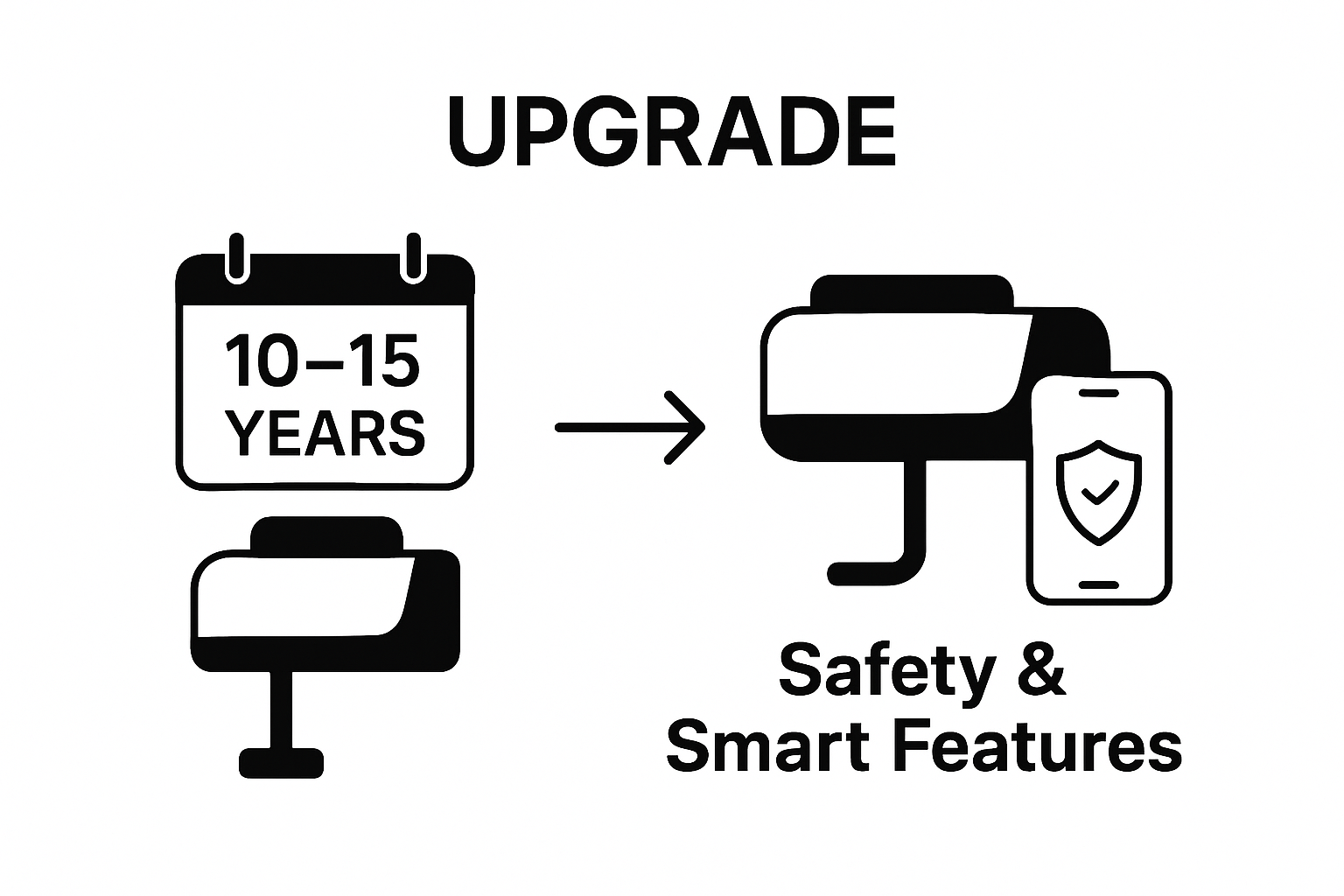 Modern garage door openers now incorporate features like smartphone connectivity, battery backup systems, advanced rolling code encryption, and integrated motion sensors that significantly enhance home security and convenience.
Assessing Technological Compatibility
Critical technological considerations extend beyond mere age. Evaluate your current opener’s compatibility with contemporary safety standards and home automation ecosystems. Key technological indicators include wireless connectivity options, noise reduction mechanisms, and integrated safety reverse systems. If your current opener lacks these features, you might benefit from exploring our comprehensive garage door replacement process for modern alternatives.
According to Consumer Reports, technological advancements now provide homeowners unprecedented control and security. Modern garage door openers offer features like real-time smartphone notifications, remote diagnostics, and seamless integration with home security systems. These innovations transform a simple mechanical device into a sophisticated home management tool. Homeowners should view potential replacement not as an expense but as an investment in home safety, convenience, and technological efficiency.
Step 3: Inspect Safety Features for Compliance
Safety features represent the most critical aspect of garage door opener functionality, serving as a vital protective mechanism for your family and property. A comprehensive safety inspection helps identify potential vulnerabilities and ensures your garage door system meets current safety standards.
Comprehensive Safety Feature Evaluation
Modern garage door openers incorporate multiple safety mechanisms designed to prevent accidents and potential injuries. The auto-reverse function stands as the primary safety feature homeowners must meticulously examine. This mechanism requires the garage door to automatically stop and reverse direction when encountering an obstruction during closing. To test this critical feature, place a sturdy object like a wooden plank or rolled towel on the ground directly in the door’s closing path. Activate the door and observe its response.
A properly functioning system should immediately halt and reverse direction upon contact with the object.
Electrical safety sensors represent another crucial inspection point. These sensors, typically mounted near the floor on both sides of the garage door opening, create an invisible infrared beam that detects potential obstructions. Precise sensor alignment is essential for reliable operation. Check that the sensors are clean, unobstructed, and positioned at identical heights. Misaligned or dirty sensors can compromise the entire safety system, potentially preventing the door from detecting obstacles.
Advanced Safety Compliance Assessment
Beyond basic mechanical tests, homeowners should evaluate their opener’s overall safety compliance. According to Consumer Reports, modern garage door openers should include rolling code technology, which prevents potential remote control hacking by continuously changing access codes. Additionally, look for built-in features like automatic lighting, emergency release mechanisms, and battery backup systems that enhance overall safety and functionality.
If your current garage door opener fails multiple safety tests or lacks essential modern safety features, replacement becomes not just a convenience but a critical safety requirement. Regular testing and maintenance ensure your garage door system provides reliable protection for your home and family. Remember that safety compliance is an ongoing process requiring periodic evaluation and potential upgrades to maintain optimal performance.
Step 4: Research Replacement Options Based on Needs
Selecting the right garage door opener involves a strategic assessment of your specific household requirements, technological preferences, and budgetary constraints. This critical research phase transforms a potential maintenance expense into a targeted home improvement investment that enhances safety, convenience, and technological integration.
Understanding Opener Categories and Specifications
Drive mechanism selection represents the foundational decision in garage door opener replacement. Chain drive systems remain the most economical option, providing reliable performance at a lower price point. However, homeowners seeking quieter operation might prefer belt drive or direct drive models. Belt drive openers operate with significantly reduced noise levels, making them ideal for homes with attached garages or living spaces adjacent to the garage. Direct drive systems offer exceptional durability, with fewer moving parts that minimize potential mechanical failures.
Consider your garage’s specific characteristics when evaluating replacement options. Factors like door weight, height, frequency of use, and local climate conditions dramatically influence opener performance. Homes with heavier wooden doors or multiple-panel configurations require more powerful motors, typically rated between 12 and 24 volts. Horsepower ratings directly correlate with the opener’s ability to lift and manage different door weights efficiently.
Advanced Feature Considerations
Modern garage door openers extend far beyond basic mechanical functionality. Smart technology integration has revolutionized home access and security management. Look for systems offering smartphone connectivity, enabling remote monitoring and control through dedicated mobile applications. According to Consumer Reports, these advanced systems provide real-time notifications, allowing homeowners to track door status, grant temporary access, and receive alerts about potential security events.
Budget allocation remains a practical consideration in your research process. While premium models offer extensive features, mid-range options frequently provide an optimal balance between functionality and cost-effectiveness. Explore our comprehensive garage door replacement process to understand how professional assessment can help you navigate these technological choices. Remember that investing in a quality garage door opener is not merely a purchase but a long-term commitment to home safety and technological convenience.
Here is a comparison table summarizing the main types of garage door openers, their characteristics, and best use cases to simplify your selection process.
| Opener Type | Noise Level | Durability | Best For | Notable Features |
|---|---|---|---|---|
| Chain Drive | Moderate/High | High | Budget-conscious buyers, detached garages | Affordable, reliable, louder operation |
| Belt Drive | Low | High | Homes with attached garages | Quiet operation, ideal near living spaces |
| Direct Drive | Very Low | Very High | Longevity seekers, heavy doors | Fewer moving parts, minimal maintenance |
Step 5: Plan for Professional Installation or DIY Setup
Choosing between professional installation and a do-it-yourself approach requires careful consideration of your technical skills, available tools, and the complexity of your specific garage door opener system. This decision impacts not just the immediate installation process but also long-term performance and safety of your garage door mechanism.
Assessing Installation Complexity
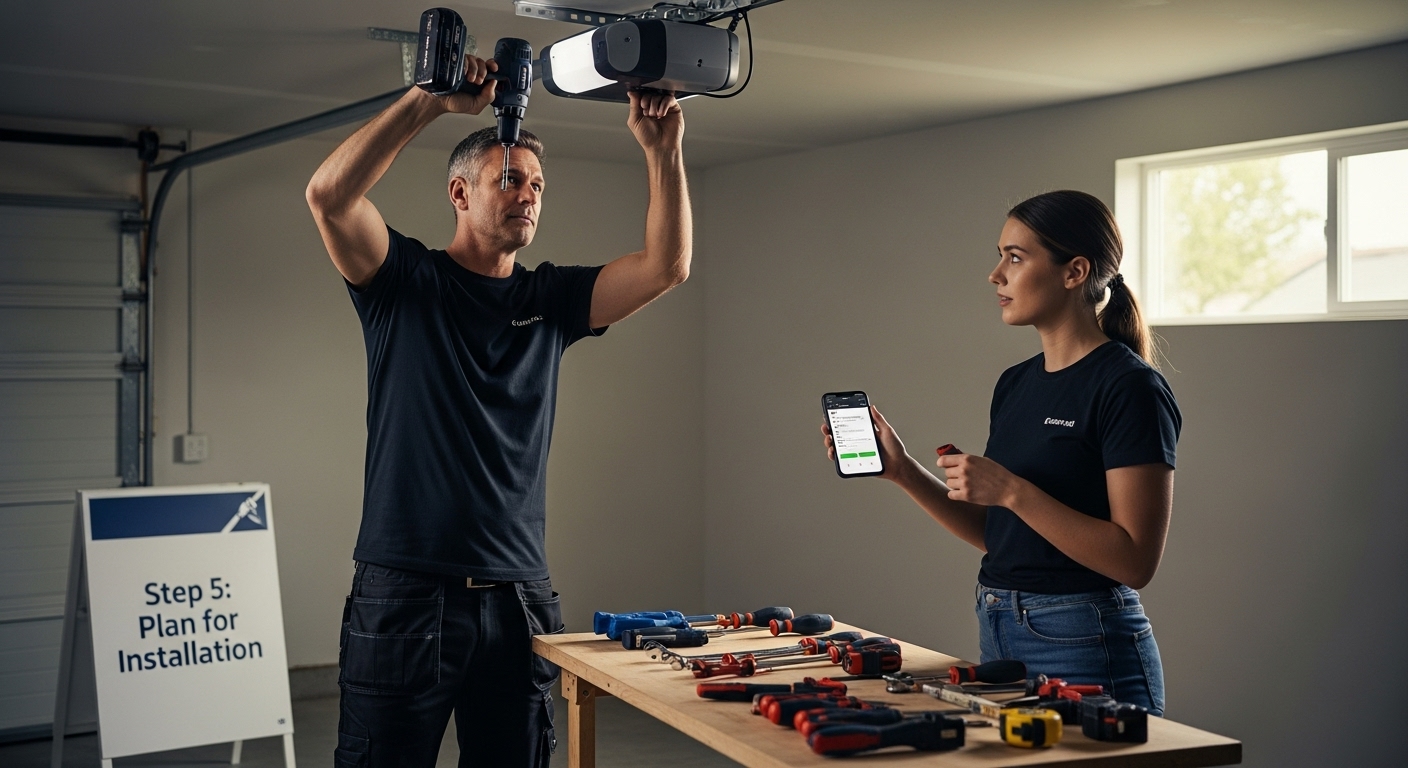
Technical expertise plays a crucial role in determining the most appropriate installation strategy. Modern garage door openers involve intricate electrical connections, precise sensor alignments, and complex mounting requirements that demand specific technical knowledge. Homeowners with limited mechanical experience should seriously consider professional installation to ensure optimal functionality and safety. Professional technicians bring specialized tools, comprehensive understanding of electrical codes, and the ability to troubleshoot potential complications that might arise during the installation process.
For those contemplating a DIY approach, a thorough self-assessment becomes critical. Evaluate your comfort level with electrical wiring, precision measurements, and mechanical assembly. Successful DIY installation requires specific tools including a drill, level, measuring tape, electrical tester, and ladder. Understanding your garage door’s specific weight, track configuration, and electrical requirements is essential. Manufacturers typically provide detailed installation manuals, but these can be complex and challenging for individuals without prior experience.
Professional Installation Advantages
Professional installation offers numerous benefits beyond mere technical expertise. Certified technicians provide comprehensive service that extends far beyond simple equipment placement. They conduct thorough system diagnostics, ensure proper sensor calibration, test safety features, and verify complete operational compliance. According to Consumer Reports, professional installations significantly reduce the risk of future mechanical failures and potential safety hazards.
Our comprehensive garage door replacement process ensures that every installation meets rigorous safety and performance standards. Professional technicians not only install the opener but also educate homeowners about proper maintenance, operational nuances, and potential future considerations. While professional installation represents a higher upfront investment, it provides peace of mind through expert precision and long-term reliability that most DIY approaches cannot match.
Step 6: Test and Ensure Proper Functionality After Replacement
After installing a new garage door opener, comprehensive testing becomes crucial to verify safety, performance, and operational reliability. This final step transforms your installation from a mere equipment replacement into a fully functional home security system that protects your property and family.
Systematic Safety and Performance Verification
The reversal mechanism test represents the most critical initial evaluation. Place a sturdy wooden object like a 2×4 plank directly in the door’s closing path. Activate the door and observe its response. A properly functioning garage door opener should immediately stop and reverse direction upon contact with the object. This test confirms the opener’s built-in safety mechanisms are working correctly, preventing potential crushing hazards. Repeat this test multiple times from different angles to ensure consistent performance.
Carefully examine the photo eye sensors positioned near the floor on both sides of the garage door opening. These infrared sensors create an invisible safety barrier designed to detect potential obstructions. Test their functionality by intentionally blocking the sensor beam while the door is closing. The door should immediately halt and reverse its motion, demonstrating the sensor’s protective capabilities. Clean the sensor lenses with a soft cloth to remove any dust or debris that might interfere with their operation.
Comprehensive Operational Assessment
Beyond safety features, evaluate the overall operational characteristics of your new garage door opener. Listen carefully for unusual sounds during opening and closing cycles. Smooth, consistent movement without grinding, scraping, or excessive vibration indicates proper installation. Check the door’s balance by manually lifting it halfway and releasing. A well-installed opener should keep the door stationary, neither falling nor rising spontaneously. According to Consumer Reports, these detailed assessments help identify potential issues before they escalate into significant problems.
Our comprehensive garage door replacement process emphasizes the importance of thorough post-installation testing. If any irregularities emerge during these evaluations, contact a professional technician immediately. Remember that consistent testing and maintenance are key to ensuring your garage door opener remains a reliable, safe component of your home’s security system.
Ready to Replace Your Garage Door Opener with Confidence?
If you have noticed unusual noises, slow performance, or outdated safety features in your garage door opener, you already know these warning signs should not be ignored. Delaying a replacement puts your home’s safety and your daily routine at risk. The article has shown how modern features and expert installation can protect your family and add convenience. Now is your opportunity to solve these problems and ensure your garage stays secure and dependable.

Take action today and choose Summit Garage Doors as your trusted partner in the Greater Seattle area. Our experienced team specializes in garage door installation, repairs, and replacements tailored to your needs. Let us help you upgrade your system before small issues turn into big emergencies. Visit Summit Garage Doors to schedule your assessment and bring advanced safety and peace of mind to your home.
Frequently Asked Questions
When is it time to replace my garage door opener?
If your garage door opener is making unusual noises, operates erratically, or has reached the age of 10 to 15 years, it may be time to consider a replacement to ensure safety and functionality.
What are the signs that my garage door opener needs repair rather than replacement?
If your garage door opener only shows minor symptoms like regular maintenance issues, such as lubrication needed or sensor misalignment, repairs can often prolong its life without needing a full replacement.
How do I test the safety features of my garage door opener?
To test safety features, place an object like a wooden plank in the door’s path. The garage door should stop and reverse immediately upon contact. Additionally, ensure that the photo eye sensors are properly aligned and functioning by blocking the sensor beam while the door is closing.
What types of garage door openers are available, and which one should I choose?
Garage door openers primarily come in chain drive, belt drive, and direct drive types. Chain drives are economical, belt drives are quieter, and direct drives offer durability with fewer moving parts. Your choice should depend on your noise preference, budget, and the weight of your garage door.

