
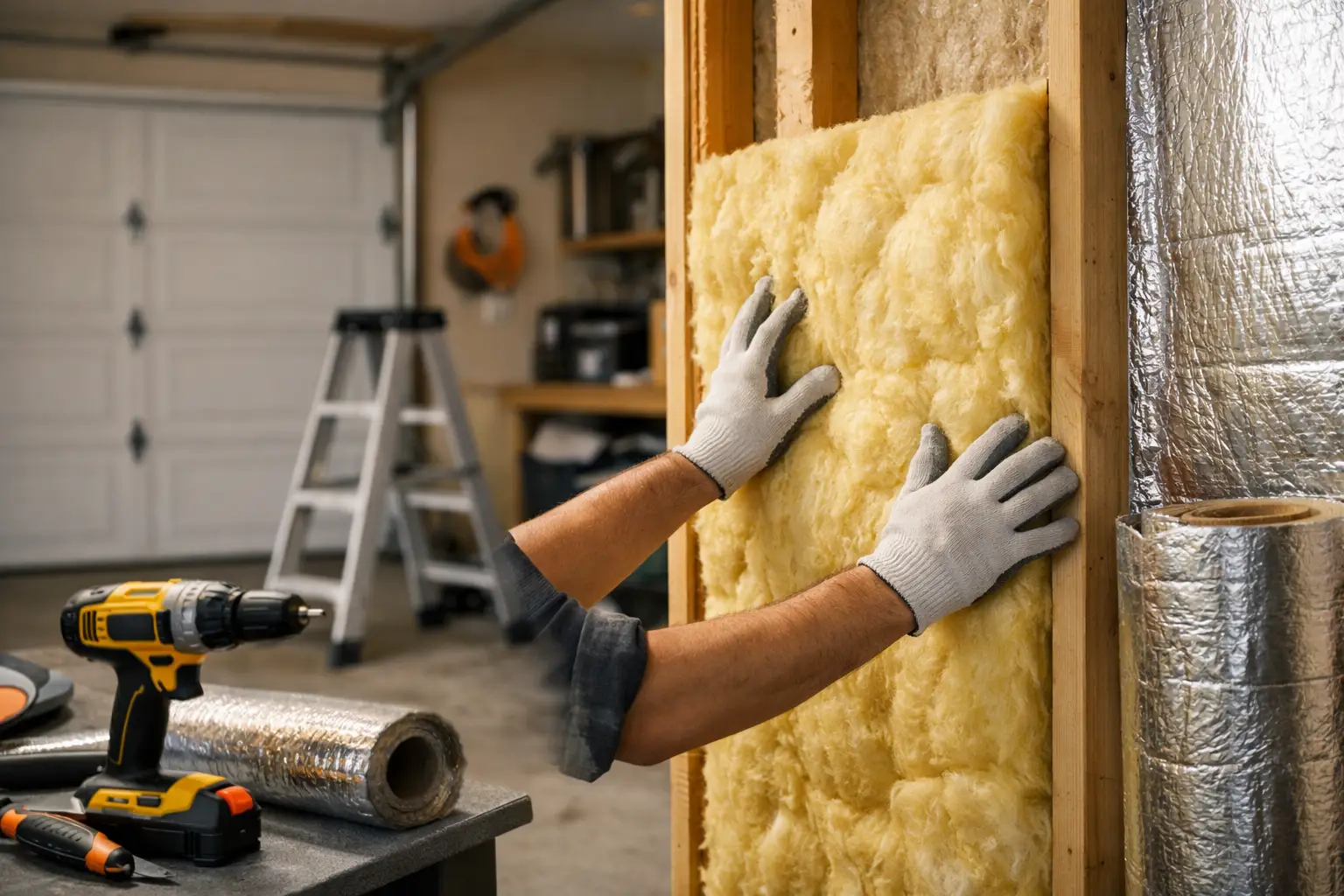
A cold garage usually shows itself fast – the floor feels like concrete ice, the room above it stays chilly, and every time the garage door opens, you lose whatever warmth was hanging on. If you are wondering how to improve garage insulation, the best results come from treating the garage as a full system, not just adding a few panels to the door and hoping for the best.
For many homeowners, the garage is more than a place to park. It may share walls with the house, sit below a bedroom, store tools and seasonal items, or double as a work area. That means poor insulation does more than make the space uncomfortable. It can affect energy use, indoor comfort, and even how hard your heating system has to work in winter.
Start with where heat is actually escaping
Before you buy materials, it helps to know what needs attention most. In most garages, the biggest weak spots are the garage door, the perimeter seals, the ceiling if there is living space above, and any shared wall between the garage and the house. Windows, side doors, and gaps around framing can also add up quickly.
This is where many people overspend. They insulate the door but ignore the air leaks around it. Or they insulate the walls while the ceiling remains bare. Good insulation matters, but stopping drafts matters just as much.
A simple check can tell you a lot. On a cold day, stand in the garage and feel around the bottom corners of the door, the weatherstripping along the sides, the access door, and any visible cracks. If the garage feels windy, air sealing should come first.
How to improve garage insulation without wasting money
The smartest approach is to match the upgrade to how you use the space. If your garage is attached and there is a bedroom above it, insulation is usually worth doing properly. If it is detached and used only for storage, basic air sealing and a better-insulated door may be enough.
There is also a difference between making a garage less cold and making it fully conditioned. Insulation slows heat transfer. It does not create heat on its own. If you want the space to stay consistently warm, insulation works best alongside safe heating and good sealing.
Upgrade the garage door first
The garage door is often the largest uninsulated surface in the space. Older metal doors are especially poor at holding indoor temperatures. If your current door is thin, rattly, or dented, adding insulation may help, but there is a limit to what retrofit kits can do.
Foam board and reflective garage door kits are common options. They can reduce temperature swings and make the door a bit quieter. The trade-off is that the performance depends on the door type, the fit of the panels, and the condition of the door itself. If the panels are warped or the door lacks a proper thermal break, the improvement may be modest.
A modern insulated garage door usually performs better than a retrofit. These doors are built with insulated cores and stronger construction, which helps with temperature control, noise reduction, and durability. They also tend to seal better when installed correctly. If your existing door is near the end of its life, replacement can make more sense than patchwork upgrades.
Seal the edges and bottom of the door
Even a well-insulated door will underperform if outside air is slipping around it. Check the bottom seal for cracks, flattening, or brittle rubber. Side and top weatherstripping should sit snugly against the closed door without leaving visible gaps.
In wet coastal climates, this matters even more. Air leaks often bring moisture with them, and that can leave the garage feeling damp and harder to heat. Replacing worn seals is one of the most affordable ways to improve comfort right away.
Insulate the walls that matter most
If the garage is attached, start with the shared wall between the garage and the house. That wall plays a direct role in keeping indoor rooms more comfortable. If the wall cavities are open during a renovation, batt insulation is a practical option. If the drywall is already in place, other retrofit methods may be possible, but the right choice depends on the wall construction.
Exterior garage walls can also be insulated, especially if you spend time in the space. Fibreglass batts are common and cost-effective, but they need proper installation to work well. Gaps, compression, and missing vapour control can reduce performance. Rigid foam can offer better thermal resistance in some situations, though it often requires more planning.
The main point is simple – insulation should fit the assembly, not just the budget.
Don’t ignore the ceiling
If there is a room above the garage, the ceiling is often the most important area to address. A cold garage ceiling can make floors above feel uncomfortable all winter. In some homes, this is the real source of the complaint, even when the garage door gets blamed first.
Ceiling insulation should be installed with care, especially around light fixtures, vents, and any attic access points. If there are gaps or missing sections, warm air from the room above can still escape. In these cases, adding door insulation alone will not solve the problem.
For detached garages with open rafters, roof or ceiling insulation may still be worthwhile if the space is used as a workshop or hobby area. But again, the return depends on whether you also plan to seal leaks and add some form of heating.
The access door and windows can undermine everything
Many garages have a side entry door that performs about as well as an old shed door. If light is visible around the frame, that is a problem. Weatherstripping, a proper threshold, and in some cases a better-insulated replacement door can make a noticeable difference.
Garage windows are another weak point. Single-pane glass loses heat quickly and can create cold spots nearby. If replacing the window is not practical, improving the seal around the frame is still worthwhile.
Ventilation and moisture still matter
When people focus on how to improve garage insulation, they sometimes over-seal the space without thinking about moisture. Garages deal with wet vehicles, concrete floors, and frequent door opening. If moisture builds up, you can end up with condensation, musty air, and damage to stored items.
That does not mean the garage should stay drafty. It means insulation and air sealing need to be balanced with proper ventilation and realistic use. A garage that stores snow-covered vehicles will behave differently from one used mainly for tools and bikes.
When DIY works and when it doesn’t
Some insulation upgrades are reasonable for a capable homeowner. Replacing weatherstripping, adding a new bottom seal, or installing a garage door insulation kit can all be straightforward if the door is in good condition.
Where things get more complicated is when the garage door is already heavy, poorly balanced, or showing wear on springs, tracks, or rollers. Adding insulation increases door weight. On some systems, that extra load affects how the door opens and closes. If the springs are not adjusted correctly, the opener can strain and parts can wear out faster.
That is why door insulation is not always just an insulation project. It can also become a door performance and safety issue. If the door already feels jerky, loud, or uneven, it is wise to deal with the mechanical side before adding more weight.
What gives you the best return?
For most homeowners, the best return comes from doing three things well: improve the door, seal obvious air leaks, and insulate the ceiling or shared walls if they affect living space. That combination usually delivers more comfort than any single upgrade on its own.
A full garage overhaul is not always necessary. If your goal is simply to reduce cold drafts and protect storage, basic sealing and door improvements may be enough. If you want a garage that feels usable through winter, you will likely need a more complete plan.
For attached homes in cooler, damp conditions like those common around Seattle and nearby communities, insulation upgrades are often most noticeable in the rooms connected to the garage. Warmer floors, fewer drafts, and a door that seals properly tend to matter more day to day than chasing the highest possible insulation rating on paper.
If you are unsure where to start, begin with the spots you can feel – drafts, cold ceilings, and an underperforming door usually tell the story. The right insulation work should make the garage more comfortable, help the rest of the home feel steadier, and leave you with a door system that still operates safely and reliably. That is the kind of upgrade you notice every day, not just on the next utility bill.

