
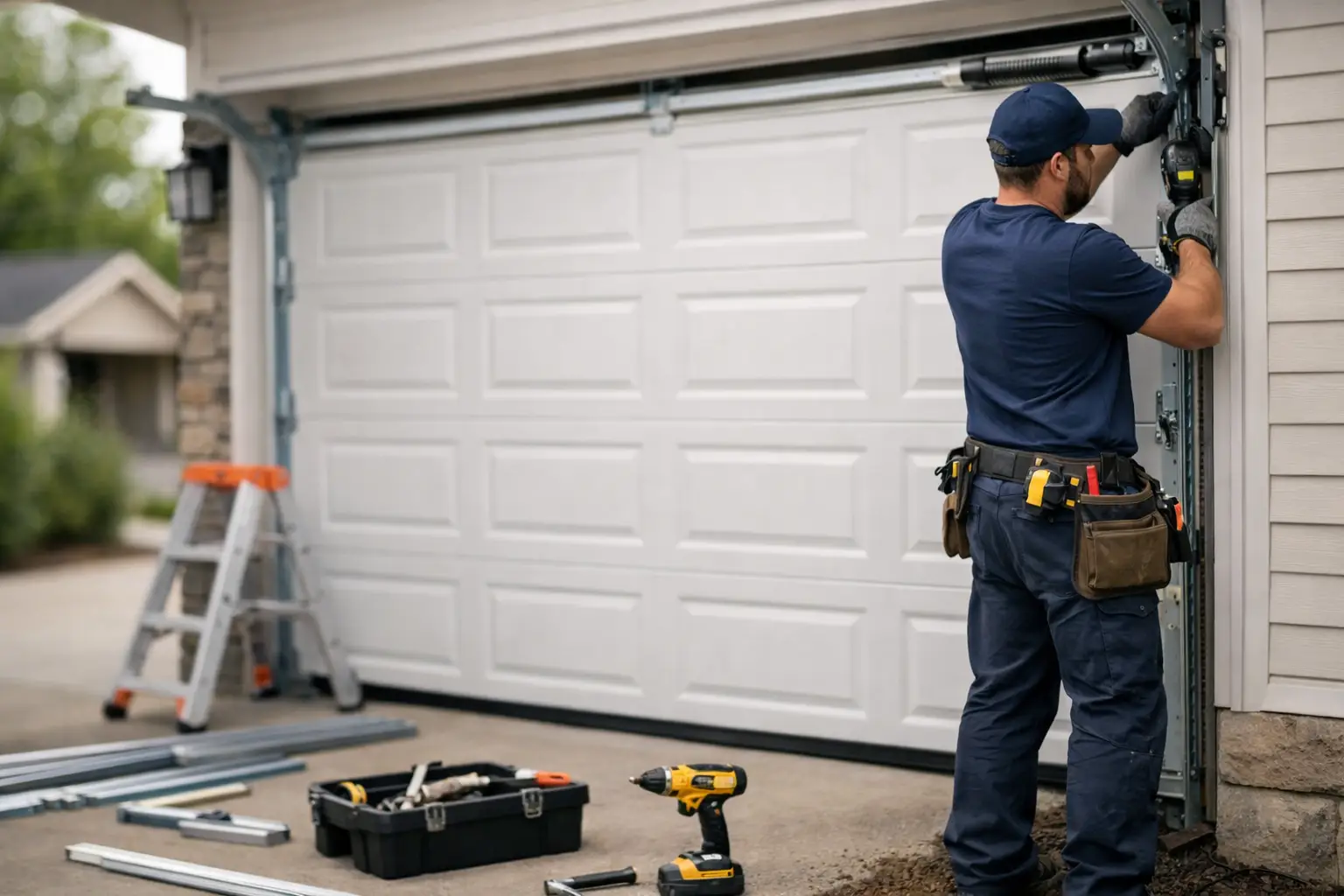
A garage door rarely gets much attention until it sticks halfway, slams shut, or starts making the whole house hear it. If you’re planning a replacement, this garage door installation guide will help you make the right decisions before the work begins – and avoid the expensive mistakes that often come from rushing the process.
For most homeowners, installation is not just about getting a new door in place. It’s about safety, insulation, curb appeal, daily reliability, and making sure the opener, tracks, springs, and door itself all work as one system. That is where good planning matters.
What a garage door installation guide should actually help you decide
A useful guide should do more than explain the order of the parts. It should help you answer the questions that affect the result: what type of door fits your home, what level of insulation you need, whether your opener can stay, and whether the existing hardware is worth reusing.
That last point matters more than many people expect. Reusing old tracks, worn rollers, or mismatched springs can save money up front, but it often creates noise, poor balance, and early wear. In many installations, replacing the full operating system is the smarter long-term choice.
Start with the opening, not the door style
Most people shop by appearance first. That makes sense, but the opening itself should come first. The rough opening, side room, headroom, and backroom all affect what can be installed and how well it will operate.
If you have low headroom, a standard track setup may not fit cleanly. If the framing has shifted, the new door may need adjustments to seal properly. If the concrete floor is uneven, the bottom seal becomes a bigger factor than you might expect. These are the details that separate a door that looks good on day one from a door that still runs smoothly years later.
In older homes, measurements can be less straightforward than they appear. Openings are not always square, and trim can hide gaps or settling. A proper site check catches those issues before installation day.
Choosing the right garage door for your home
Material affects more than appearance. Steel doors are popular because they are durable, low maintenance, and available at a wide range of price points. Insulated steel is often the practical choice for attached garages, especially in climates where temperature swings affect comfort inside the home.
Wood offers a premium look, but it asks for more upkeep. Moisture, weather, and sun exposure can shorten the finish life if maintenance is delayed. Aluminum and glass can look sharp on modern homes, though they are not always the best fit when privacy or higher insulation is the priority.
Style matters too, but it should match the house rather than compete with it. A carriage-style door can add warmth to a traditional exterior. A flush panel or full-view glass door often suits modern architecture. The best result usually comes from balancing design with practical performance.
Insulation, weather sealing, and real-world performance
One of the most common installation regrets is choosing a door with too little insulation. If your garage is attached, used as a workspace, or sits below a living area, insulation can make a noticeable difference in comfort and noise control.
That said, not every property needs the highest available R-value. If the garage is detached and used mainly for storage, a mid-range insulated door may be enough. Spending more only makes sense if the added comfort, energy performance, or quieter operation will actually be felt in daily use.
Weather seals also deserve attention. Side seals, top seals, and a quality bottom seal help keep out moisture, drafts, debris, and pests. In areas that see regular rain, proper sealing is not an upgrade – it is part of a dependable installation.
Garage door installation guide to hardware and openers
A new door puts different demands on the system that lifts it. That means the springs must be sized correctly, the tracks need proper alignment, and the opener has to match the door’s weight and use pattern.
This is where homeowners often ask whether they can keep the existing opener. Sometimes yes, sometimes no. If the opener is fairly new, properly rated, and in good condition, it may be compatible. But if it struggles, lacks modern safety features, or was paired with a heavier or lighter door than the new one, replacement may be the better call.
Smart openers are also worth considering during installation instead of after. If you already want app control, battery backup, or quieter belt-drive operation, this is the cleanest time to make the change. It saves labour later and gives you a fully matched system from the start.
What happens during professional installation
A standard residential installation usually begins with removal of the old door and hardware. The opening is checked, the new tracks and support brackets are installed, and the panels are set in sequence. Springs, cables, rollers, and hinges are then fitted and adjusted. After that, the door is balanced, tested by hand, connected to the opener if applicable, and fine-tuned for travel limits and safety settings.
That sounds straightforward on paper, but precision matters at every stage. A small track alignment issue can lead to uneven wear. An improperly tensioned spring can make the door unsafe. A poor seal at the bottom can leave a visible gap that homeowners notice every time it rains.
A good installation ends with testing, not just assembly. The door should open smoothly, close evenly, reverse correctly, and operate without jerking, binding, or excess noise.
Why DIY installation is riskier than it looks
Some home projects reward a hands-on approach. Garage door installation is usually not one of them. The biggest reason is spring tension. Torsion and extension spring systems store significant force, and handling them without the right training and tools can lead to serious injury.
There is also the issue of system balance. Even if a door is physically installed, that does not mean it is safe or operating properly. A door that feels slightly heavy, closes too fast, or strains the opener may have hidden adjustment problems that shorten the life of the system.
For homeowners weighing cost against risk, the trade-off is usually clear. Professional installation costs more than a DIY attempt, but it reduces the chance of injury, repeat repairs, and premature hardware failure.
Cost factors that affect your quote
Garage door installation pricing depends on the door size, material, insulation level, window options, decorative upgrades, opener choice, and whether the full hardware system is being replaced. Structural corrections or disposal of an old damaged door can also affect the total.
The cheapest quote is not always the best value. Sometimes a lower price means thinner materials, minimal warranty coverage, or reused components that should have been replaced. On the other hand, the highest quote is not automatically the best either. What matters is whether the scope is clear and the recommendations match your actual needs.
For example, a busy household that uses the garage as the main entry point may benefit from stronger cycle springs and a quieter opener. A rental property may need a more budget-conscious setup with dependable basic performance. It depends on how the door will be used every day.
Timing, preparation, and what homeowners should expect
Most standard installations can be completed in a day, but custom doors or special-order finishes may add lead time before the job even starts. That is why planning ahead helps, especially if your current door is already showing signs of failure.
Before installation day, clear the garage area around the opening and make sure vehicles are out of the space. If opener replacement is included, access to power and ceiling space will be needed. A professional team should explain the timeline, confirm what is being removed and installed, and let you know if anything unexpected comes up once the old door is off.
In places like Seattle, weather and moisture exposure also make build quality and sealing more important. A door that looks fine in a product photo may not be the best option for a damp, high-use environment if the hardware and finish are not up to the task.
How to choose the right installer
The best installer is not just selling a door. They are evaluating the opening, recommending the right system, explaining the trade-offs, and standing behind the work. Clear estimates, honest answers, and proper safety checks matter more than sales language.
If a company pushes one option without asking how you use the garage, that is a warning sign. If they explain why a full hardware replacement is recommended, what kind of opener suits the door, and how long the installation should take, that is usually a better sign. A local company with real installation experience can also spot regional issues that national chains may miss.
At Summit Garage Doors, that practical approach matters because homeowners are not just buying a product. They are counting on safe operation, solid workmanship, and service that holds up after installation day.
A new garage door should make daily life easier, quieter, and more secure. If you take the time to choose the right door, the right system, and the right installer, you are far more likely to get a result that still feels right long after the first opening and closing.

