
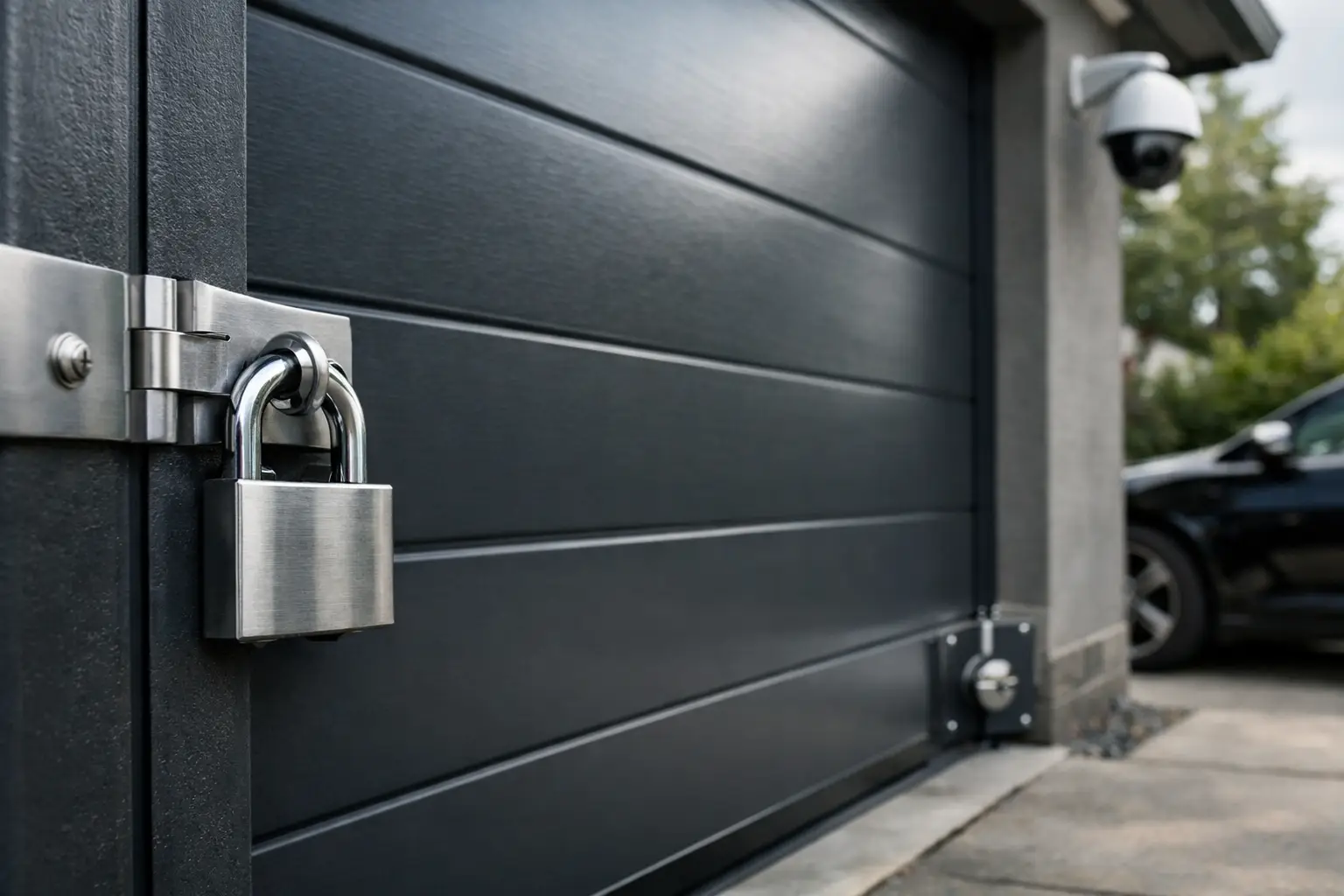
A garage door is often the biggest moving entry point on a home, and it is one of the easiest places to overlook until something goes wrong. If you are trying to choose the best garage door for security, the right answer is rarely just one product or one material. Real security comes from a door that is strong, properly fitted, equipped with the right hardware, and installed to close every weak point.
For most homeowners, the safest choice is a steel garage door with reinforced construction, a modern rolling-code opener, solid track hardware, and professional installation. But that does not mean every steel door is equally secure, or that wood, aluminum, or glass options are automatically a bad idea. The details matter.
What makes the best garage door for security?
A secure garage door does two jobs at once. First, it resists forced entry. Second, it operates reliably so it actually closes, seals, and locks the way it should every day.
That means security is not only about thickness or looks. A door can appear heavy and still have weak panels, poor reinforcement, an outdated opener, or tracks that are easy to pry apart. On the other hand, a well-built door with proper bracing and quality hardware can offer much better protection than a cheaper model that only looks substantial from the street.
When comparing options, focus on the full system: the door material, panel construction, locking method, opener technology, track condition, spring balance, and installation quality. If one part is weak, the whole setup is easier to defeat.
Why steel is usually the best garage door for security
For most residential properties, steel is the strongest all-around choice. It offers a good balance of impact resistance, durability, and value, which is why it is often the first recommendation when security is the priority.
A quality steel garage door is harder to kick, bend, or break through than lightweight aluminum or thin vinyl products. It also holds up well over time, especially when paired with reinforced struts and heavy-duty hardware. If you want the best garage door for security without pushing into specialty commercial products, insulated steel doors with layered construction are usually the strongest option.
Thicker gauge steel tends to perform better than thin entry-level panels, but more steel alone is not the whole story. The structure behind the face of the door matters just as much. Reinforced panel edges, interior bracing, and strong hinges all improve resistance to prying and impact.
Insulated steel doors also have an advantage. The added core does not just help with temperature control and noise reduction. It often creates a more rigid panel that is harder to flex under force.
How other garage door materials compare
Wood doors can be solid and substantial, and they may offer decent security when built well. The trade-off is maintenance. Wood is more vulnerable to swelling, warping, and weather wear, which can affect how tightly the door closes and how reliably it locks. A beautiful wood door can still be secure, but it needs ongoing care to stay that way.
Aluminum doors are lighter and often used for modern designs, especially full-view styles. They can work well in the right application, but they are generally not the top pick if maximum break-in resistance is your main goal. Lightweight frames and large glass sections can create more vulnerable points than a reinforced steel setup.
Glass garage doors are popular for curb appeal, but they are rarely the strongest security choice for a home. Tempered or laminated glass improves safety and durability, yet these designs still prioritize appearance more than intrusion resistance.
Fibreglass and vinyl can resist rust and weather, but they are not usually the first choice for homeowners focused on serious physical security. If your main concern is keeping the garage harder to breach, steel remains the most dependable answer.
The role of insulation and layered construction
Many people think insulation is just about comfort. It helps with comfort, but it also contributes to security. A single-layer door is typically less rigid and easier to dent or deform. Double-layer and triple-layer doors are sturdier because they combine an outer steel skin with backing or an insulated core.
That extra rigidity makes a difference. A door that flexes less is generally harder to force open, especially around panel seams. In colder, wetter climates, that stronger construction also tends to hold up better over time, which matters because worn-out doors often develop alignment issues that create security gaps.
Your opener matters as much as the door
Even the strongest garage door can be undermined by an outdated opener. If the remote system uses old fixed-code technology, it is less secure than a modern opener with rolling-code encryption. Newer systems change the access code every time the remote is used, which greatly reduces the risk of code grabbing.
Smart openers can add another layer of protection. They let you check if the door is open, close it remotely, and receive activity alerts. That is useful for busy households and especially valuable if the garage is attached to the home.
Battery backup is worth considering too. During a power outage, you still want controlled, reliable access. Some opener systems also offer automatic locking features that engage when the door closes, which can be a strong upgrade for homeowners who want more than standard opener security.
Weak points that make a secure door less secure
A lot of garage security problems start with parts that are worn, bent, or incorrectly installed. Tracks that have spread apart, loose brackets, damaged rollers, and poor spring balance all affect how well the door sits in the opening. If the bottom seal does not meet the floor or the side gaps are uneven, that is not just a performance issue. It can also create leverage points.
Manual locks matter too, especially on detached garages or doors without opener-integrated security features. A good slide lock can help, but it must be used properly. Some homeowners leave old manual locks engaged by mistake, damaging the door when the opener runs. Others rely on a lock alone when the door itself is too weak to resist force.
Windows are another trade-off. They bring in natural light and can improve appearance, but they may give intruders a view inside or provide a break point if low-quality glazing is used. If you want windows, choose placement and glazing carefully rather than assuming every design offers the same level of protection.
Installation is where security is won or lost
A premium door installed poorly will not perform like a secure system. Proper installation affects how tightly the door fits the opening, how smoothly it travels, and whether the hardware can handle stress over time.
This is especially important with replacement projects. Sometimes the problem is not the new door at all, but the existing framing, worn tracks, or outdated opener left in place. If those parts are not evaluated, you can spend money on a better-looking door without fixing the actual security issue.
Professional installation also helps ensure spring tension, track alignment, and opener force settings are adjusted correctly. Those details affect safety, daily reliability, and resistance to tampering. A secure garage door should close fully, reverse properly when required, and sit firmly in the opening without excess play.
What homeowners should choose
If you want the most practical answer, choose a multi-layer steel garage door with reinforced hardware and a modern opener using rolling-code technology. If the garage is attached to your home, add smart monitoring and keep the entry door between the garage and house equipped with a quality deadbolt. That combination gives most households the best mix of security, durability, and value.
If curb appeal is a big priority, there is room to balance design and protection. You do not have to settle for an industrial look to get a more secure setup. Many carriage-style and contemporary steel doors now offer stronger construction without giving up appearance.
For homeowners in areas with frequent moisture and changing temperatures, durability should be part of the security decision. A door that resists rust, sagging, and panel distortion will stay secure longer than one that looks good on day one but starts developing fit problems after a few seasons.
If you are unsure what your current setup is missing, a professional inspection is often the fastest way to get a clear answer. Summit Garage Doors regularly helps homeowners identify whether the weak point is the door itself, the opener, the track system, or the installation.
The best garage door for security is the one that stands up to force, closes properly every time, and does not leave hidden vulnerabilities in the hardware around it. When you choose with the full system in mind, you are not just buying a door. You are making one of the most important entry points in your home harder to compromise.

