
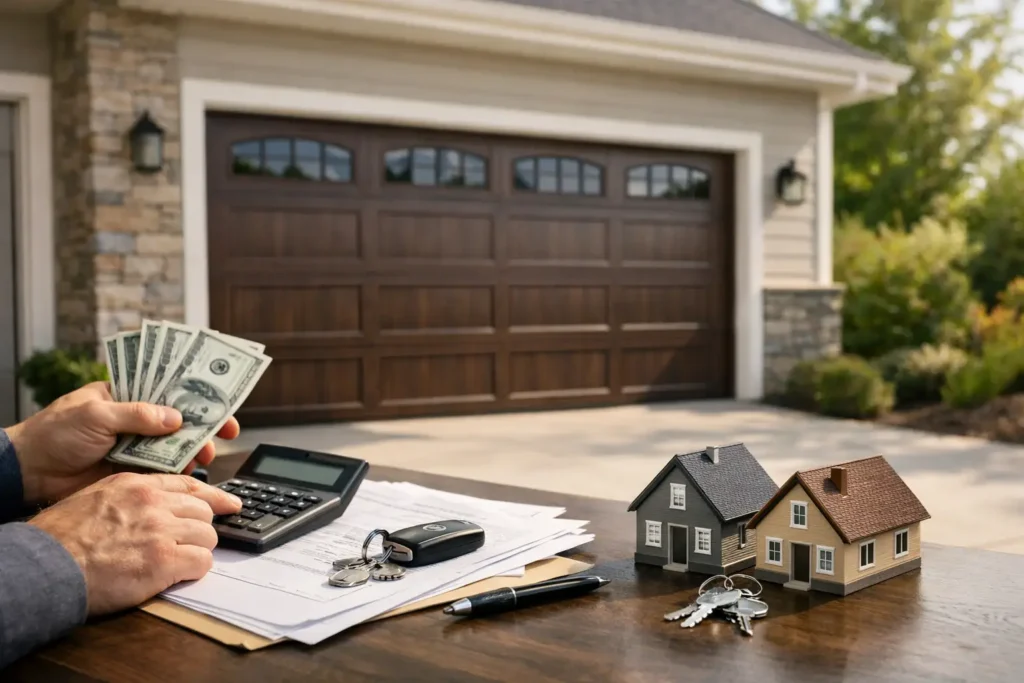
A garage door replacement can move from “someday” to urgent quickly. A damaged door may leave your home exposed, affect daily access, or create a safety concern that should not wait for a future paycheque. The right garage door financing options can make a necessary repair or replacement manageable without settling for poor-quality parts or incomplete work.
For Seattle-area homeowners, the best choice depends on why the work is needed, the total project cost, how quickly it must be completed, and how long you plan to stay in the home. Financing should support a sound decision, not turn a simple upgrade into an expensive long-term obligation.
When Financing a Garage Door Makes Sense
Financing can be practical when the door has reached the end of its service life, has major structural damage, or no longer operates safely. It can also be useful for homeowners who are replacing an older door as part of a larger exterior update and want to preserve cash for other project costs.
A new garage door is more than a cosmetic purchase. It affects security, insulation, weather protection, curb appeal, and reliable access to your home. If the current door has cracked panels, damaged tracks, recurring opener problems, or poor insulation, delaying replacement can sometimes lead to further repair costs.
That said, financing is not automatically the best answer for every service call. A minor adjustment, sensor repair, remote replacement, or routine maintenance visit may cost less than the fees or interest attached to a loan. Start with a clear written estimate so you know whether you are financing a necessary replacement, a worthwhile upgrade, or a repair that can be paid for directly.
Garage Door Financing Options to Consider
There is no single best financing method. Compare the total cost of borrowing, not just the advertised monthly payment. A lower payment spread over a longer term can still cost more than a higher payment that is paid off quickly.
Contractor-arranged payment plans
Some garage door companies work with third-party financing providers that offer fixed monthly payment plans for installation projects. This can be convenient because you can arrange the project and review financing at the same time. Depending on approval and the provider, plans may offer promotional periods, fixed interest rates, or terms that range from several months to several years.
Read the agreement carefully before accepting. Confirm the annual percentage rate, term length, payment due date, late-payment policy, and whether interest is deferred or truly waived. Deferred-interest offers can be especially costly if the full balance is not paid before the promotional period ends, since interest may be charged retroactively from the purchase date.
A reputable service provider should be clear about the scope of work whether you pay upfront or use a payment plan. The estimate should identify the door, hardware, installation, removal of the old door, and any opener or accessory work included.
Personal loans
An unsecured personal loan from a bank, credit union, or online lender may suit a homeowner who wants a predictable repayment schedule. These loans commonly provide a fixed amount upfront and fixed monthly payments over a defined period. They do not normally require using your home as collateral.
The rate you receive will depend heavily on credit history, income, existing debt, and the lender’s terms. Ask whether there is an origination fee, a prepayment penalty, or a fee for late payments. For a moderately priced garage door project, a short-term personal loan can be easier to manage than putting a large balance on a high-interest credit card.
Credit cards
A credit card can work for a smaller project, especially if you can pay the balance off quickly or have access to a genuine low-interest promotional offer. It can also provide flexibility if your project includes a few separate purchases, such as a new opener, smart controls, keypads, or exterior lighting.
The risk is straightforward: standard credit card rates can make a door replacement significantly more expensive when the balance carries for many months. If you use a card, make a realistic repayment plan before the work begins. Avoid choosing a more expensive door simply because the minimum payment appears affordable.
Home equity financing
Homeowners with sufficient equity may consider a home equity line of credit or home equity loan for a larger renovation that includes the garage door. These products may offer lower rates than unsecured borrowing because the home is used as security.
That lower rate comes with more responsibility. The application process can take longer, closing costs may apply, and missed payments put your property at risk. Home equity financing is usually more sensible when the garage door is one part of a broader planned improvement, not when a broken spring or damaged track requires same-day attention.
Savings and phased upgrades
Paying from savings remains the simplest option when it does not strain your emergency fund. If the existing door is safe and operational, you may be able to complete the project in phases. For example, install a dependable new door now and add a smart opener, battery backup, decorative hardware, or upgraded glazing later.
Phasing can reduce borrowing, but it only works when the door is structurally sound enough to wait. A technician can help you separate cosmetic preferences from items that affect safe operation.
Look Beyond the Monthly Payment
A financing offer can sound attractive because the payment is small. Before deciding, compare the complete project price and borrowing costs. Ask for the cash price, the financed amount, the number of payments, and the total amount you will pay by the end of the term.
Also confirm what happens if the installation uncovers related issues. A worn bottom seal, weak opener, misaligned track, or damaged framing can affect the final scope of work. A detailed inspection before installation reduces surprises and helps you finance the right amount from the start.
For insulated or custom doors, lead times may also matter. Financing approval does not necessarily mean an immediate installation date if the selected style, colour, windows, or size must be ordered. A clear schedule helps you plan around security, parking, and access to the garage.
Choosing a Door That Supports Long-Term Value
The least expensive door is not always the most affordable choice over time. In the Pacific Northwest, a properly fitted door with reliable weather sealing and suitable insulation can improve comfort in an attached garage and help protect stored belongings from damp conditions.
Choose the door based on your home, daily use, and priorities. A basic steel door may be the right fit for a functional replacement. A higher-insulation model may make sense for an attached garage, workshop, or frequently used entry. Custom carriage-house designs, contemporary glass panels, and premium finishes can add curb appeal, but they should fit both your budget and maintenance expectations.
Do not overlook the opener. If an older opener is noisy, unreliable, or lacks modern safety features, pairing a new door with a compatible opener may prevent another major expense soon after installation. Smart access controls and battery backup can be valuable additions, particularly for households that rely on the garage as a primary entrance.
Questions to Ask Before You Apply
Before agreeing to financing, ask the installer and lender a few direct questions. What is included in the estimate? Is there a deposit, and how is the remaining balance paid? Does the financing cover taxes, permits if required, removal, and accessories? What warranty applies to the door, hardware, opener, and labour?
Ask the lender whether the rate is fixed, when interest begins, and whether early repayment is allowed without a penalty. Keep copies of the estimate, financing agreement, warranty documents, and payment schedule together. These details make it easier to compare offers and avoid misunderstandings later.
For urgent repairs, focus first on safety. A broken spring, door off its tracks, or door that will not close securely should be assessed by a trained technician rather than forced open or shut. Summit Garage Doors can provide a clear assessment of whether a repair is safe and cost-effective or whether replacement is the better investment.
A garage door should protect your property and work reliably every day. Choose financing that leaves room in your household budget, choose workmanship you can depend on, and do not hesitate to request a detailed estimate before making the decision.

